
Interview with John Silvestre (Eckhart, typhon), pt. 2
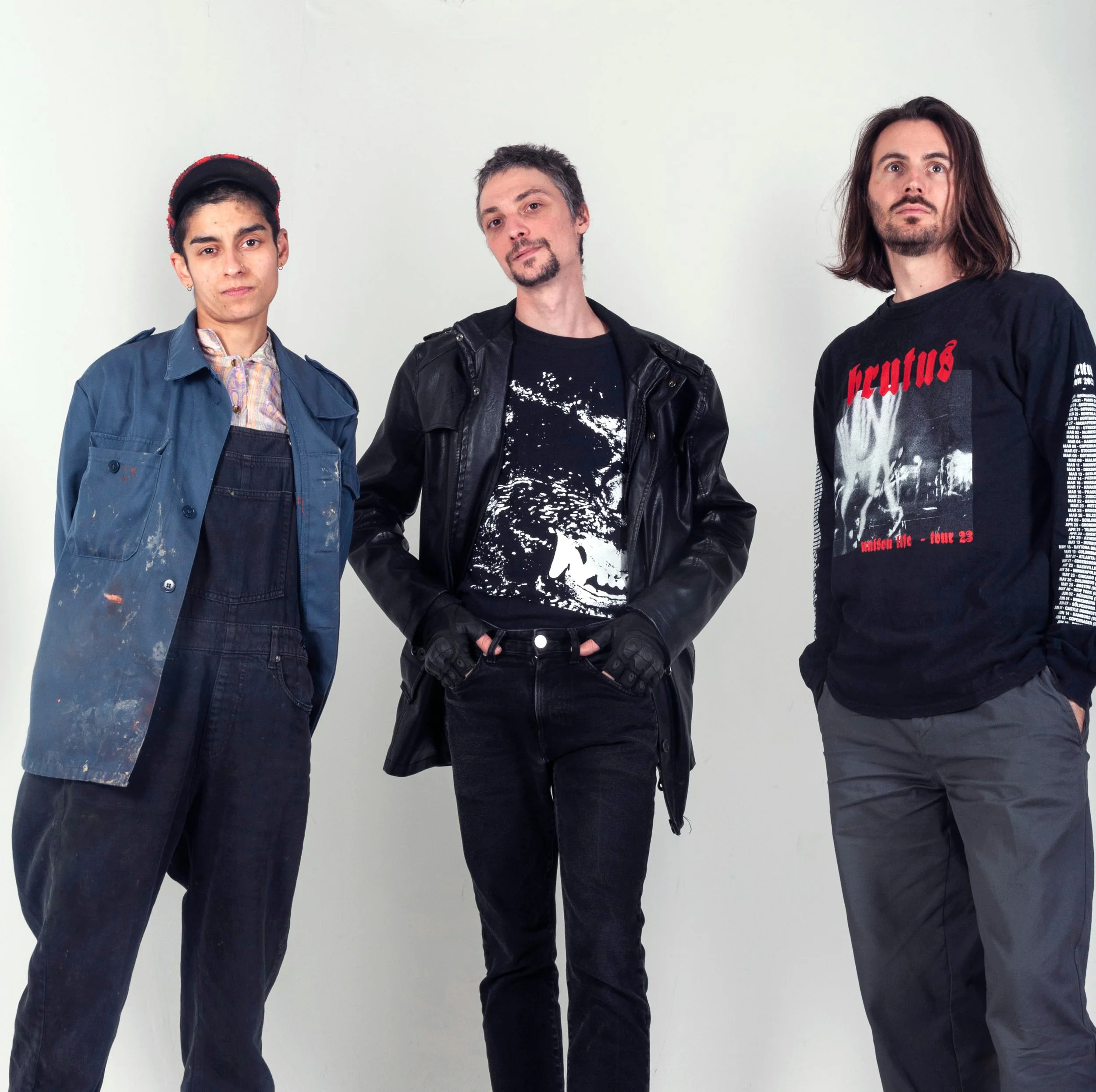
With the imminent arrival of He's Dancing, He Says He Will Never Dieby Eckhart (via Blizzard Audio Club) on 8th May, I thought it was the perfect occasion to release the second part of the interview with John Silvestre.
In the first part of the interview, we discuss John’s involvement in music scene in Vevey, his musical background and how he arrived in Switzerland via Belgium and France.
For this article, the second part of the interview, we find out more about Eckhart, which John originally created as a solo project bringing together industrial music, post-punk and a lot of new influences which have reignited his love for music.
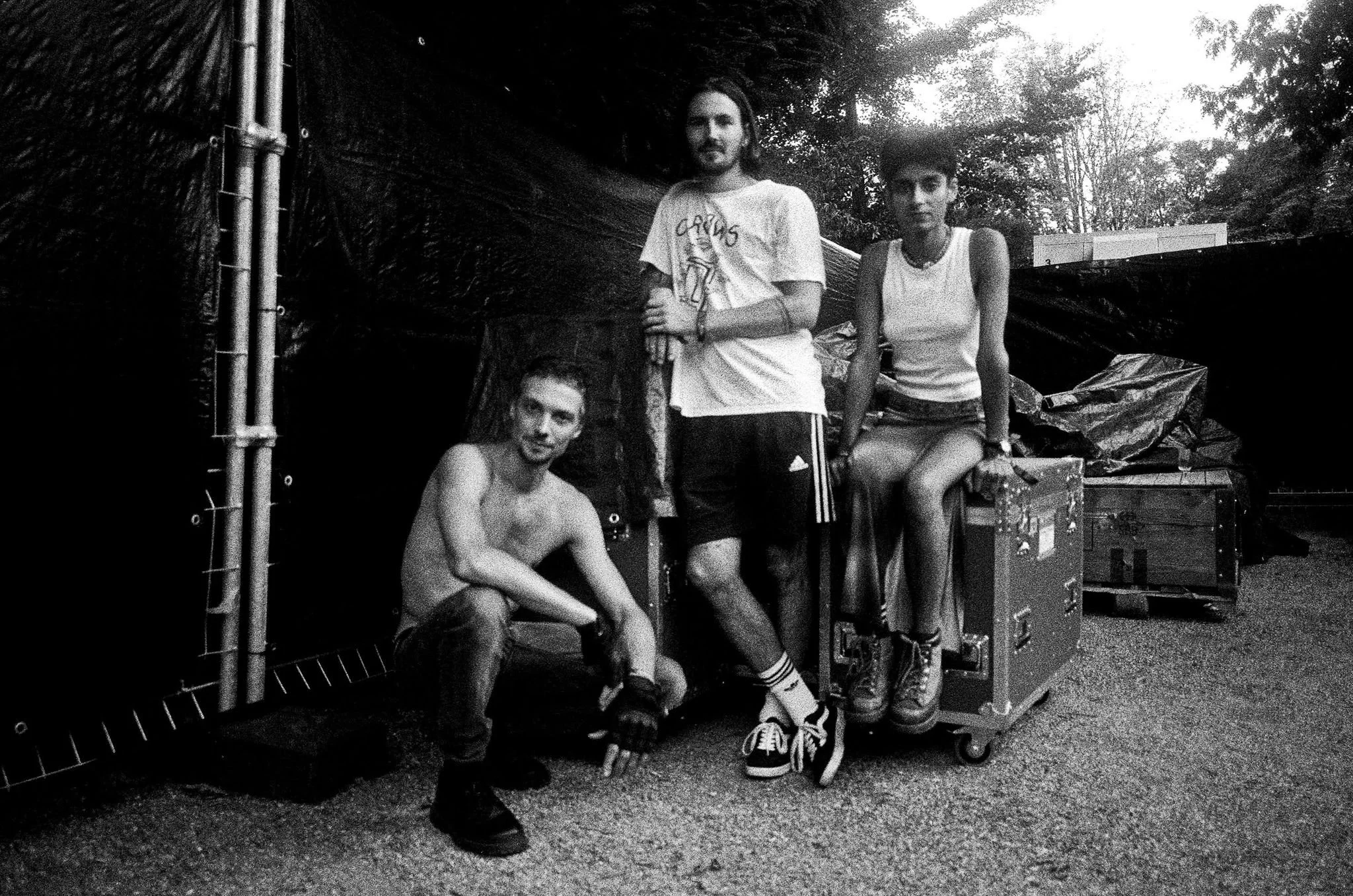
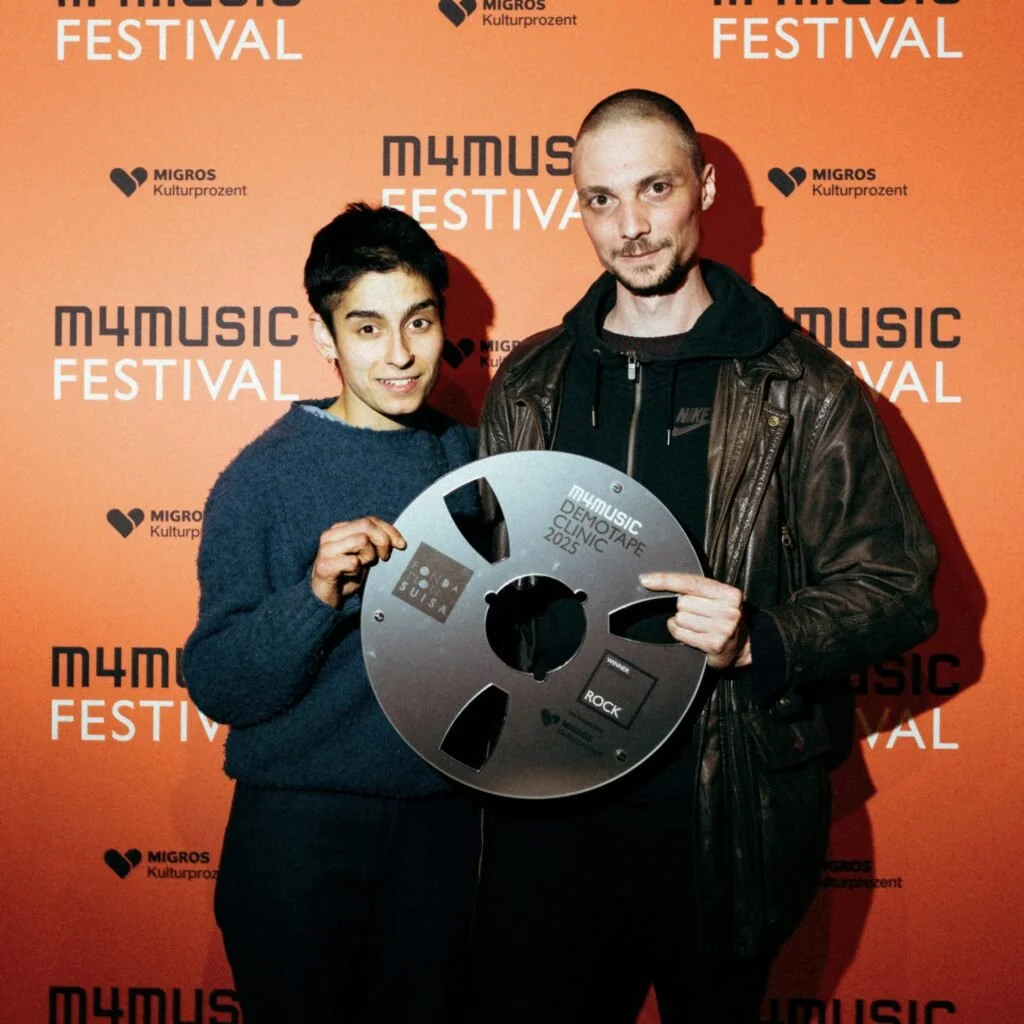
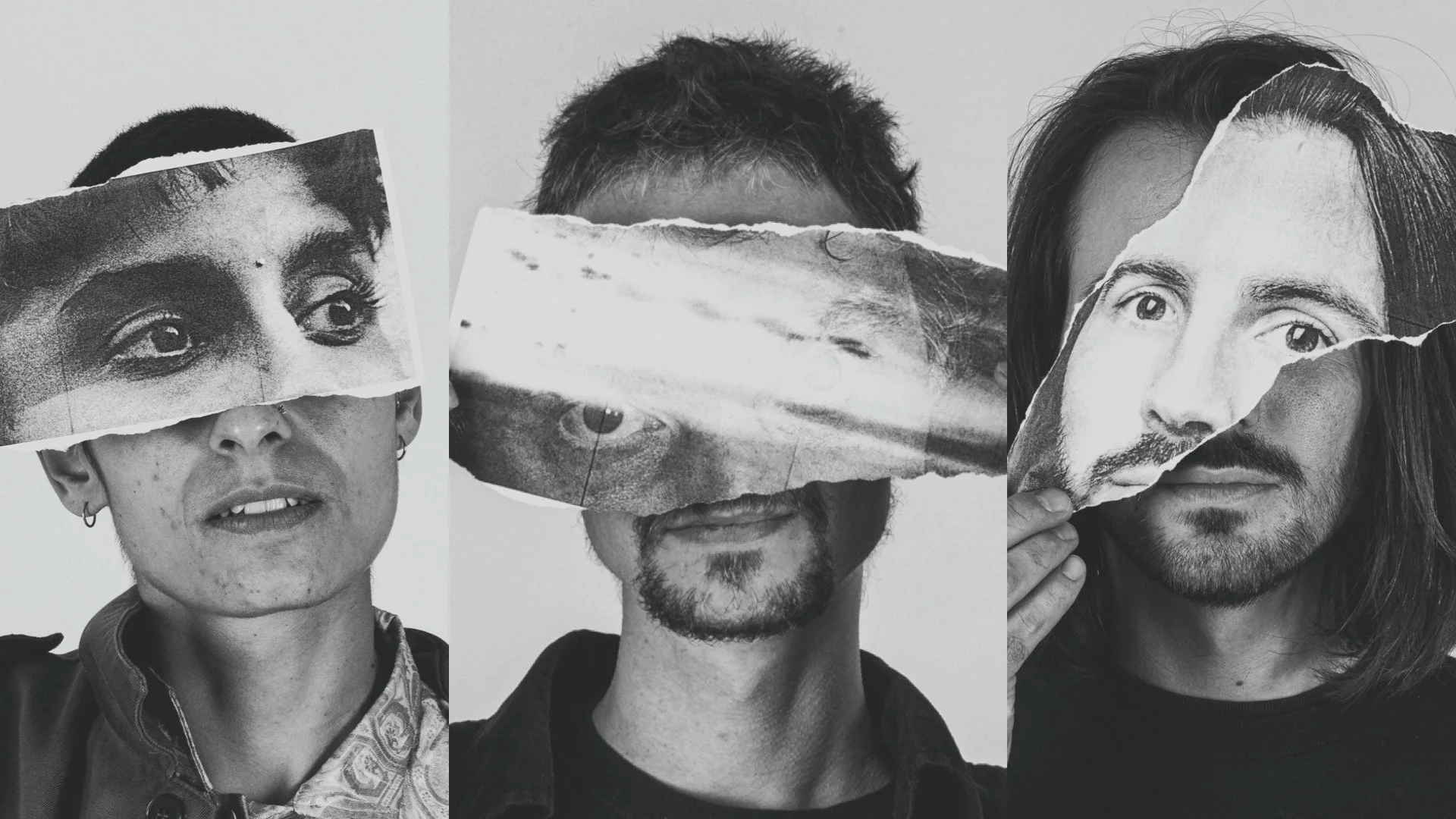
Eckhart has evolved lately with Laurent Glur (Fomies) joining on drums, which allows a mixture of acoustic and electronic drums, and Olivia Madhuri on vocals, which provide a calmer and soothing side to Eckhart. The song, Blasted Mirrors, from the upcoming album, went on to win the M4M Demotape Clinic Rock category in 2025.
I had the chance to preview He's Dancing, He Says He Will Never Die and after a few listens, the album really grew on me. It’s a really enjoyable album from start to finish and I am impressed how the sounds seamlessly come together - from the frenetic rhythms to the more “lighter” sections. The additions to the line-up have helped contribute to the wonderful evolution in Eckhart’s sound.
I would like to thank John for his replies and assistance with the articles.
Background
Does Eckhart reflect a change in your personal music listening tastes?
Well, yes and no.
I grew up listening to a lot of 90s/2000s electronic music since I was a kid and I have already explored composition in these styles but mostly when I was working as a filmscore composer in the movie industry. But it never really became a live project. I was really focused on Typhon and post-rock / art rock music for years.
I’d say Eckhart was more about reflecting the frustration I had at some point, being unable to play with Typhon, and the need to listen to new stuff that resonated more with my inner state at this point in my life, around 2023. So I started digging more into this modern blend of electro-punk genres, the New York and Sacramento scene with Death Grips, A2B2, also experimental ambient like Daniel Lopatin, or modern hiphop with JPEGMafia, Danny Brown, Tyler The Creator, or old school Memphis hip hop with 36Mafia, to name a few… Just digging a lot of stuff. So yeah, in a sense, as I was moved by new things my curiosity expanded and my will to explore new territories and compose new stuff along with it.
Writing/recording
Eckhart seems to be a world apart from Typhon and your background in music but do they have an impact on the music in the project?
Yeah, I am still quite exigeant about the topics and the sense of surprise during the creation of a song. I have always liked the idea of surprising the listener and that’s linked to my post-rock roots where there is no “verse, chorus, verse” structure. But I have also made some songs with this type of structure whilst having fun with it and not wanting to make something extravagant or sophisticated. I also love the feeling of doing something completely opposite - just not giving a fuck, letting it all go
What else have you learnt whilst writing songs for Eckhart?
You always discover new things about yourself when you explore music. For example, when you go into the studio with an idea in mind but you make a few mistakes during the process. These mistakes can take the song on a whole new path with new ideas, using melodies and chords which you didn’t think about using. At the end of the afternoon, you have created something you didn’t expect or anticipate and you connect with a part of yourself which was previously unknown to you and this moves you. That's the most exciting part of composing. You don't totally know who you are and what the world can be and it's part of the joy of making art and music. With Eckhart specifically, I’d say it’s the use of samples and the sound design part.
Do you need to be in a sort of certain frame of mind when you're composing music?
It depends. I made some tracks because I was in a crisis and needed to do something. Sometimes I feel I am able to receive certain types of information that need to be transcribed or translated and transmitted. The ideas don’t come from me but I have the tools to help them be communicated. Or I am the tool. That’s almost a spiritual experience and something I try to talk about in some lyrics. Feeling bliss. Devoted to here and now. That’s what The Hard Way is about in Far From God.
Does the recording transport you back to the mood you were in?
Sometimes at the beginning. However, over time, it’s possible to revisit songs from another perspective.
You don't have to be sad to sing about sadness. It's always in you. It’s interesting to sing about joy when you are not joyful and rediscover joy with the song or the other way round. It’s also interesting when you can connect with people who are in a different mood and bring them closer to yours.
Sometimes I sang about the saddest moments of my life and when I finished the song and left the studio, I had a huge smile on my face because of how I felt afterwards.
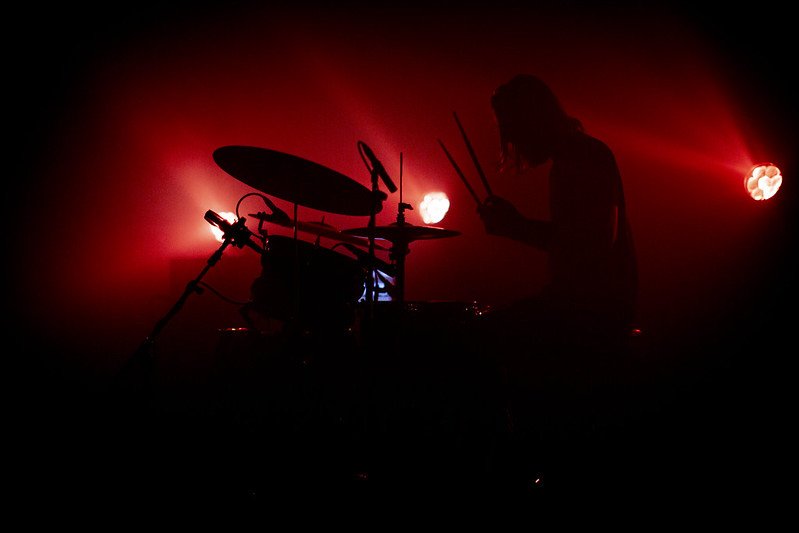
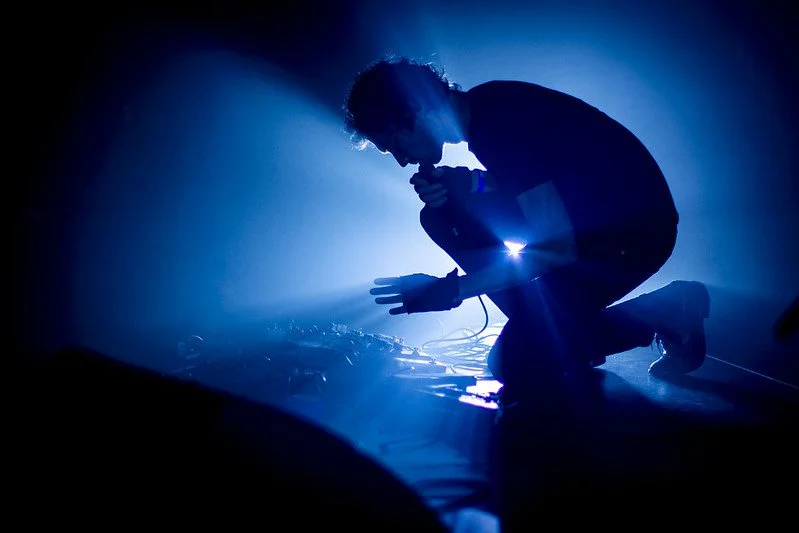
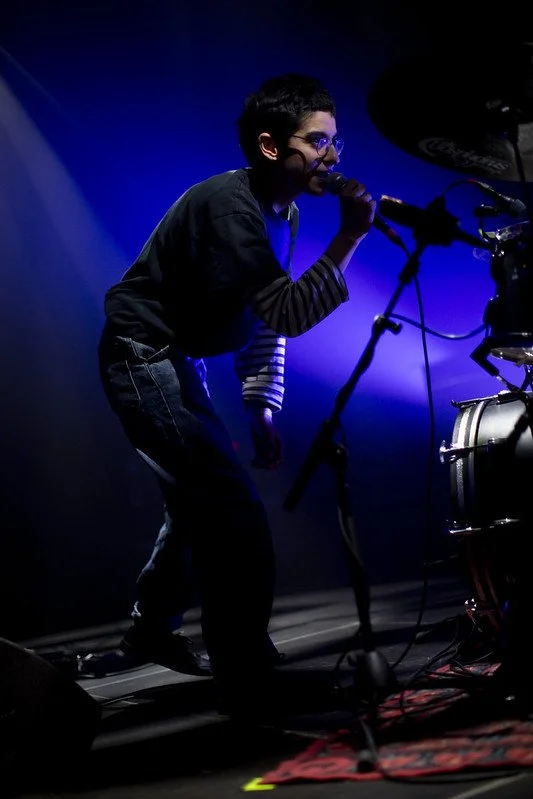
(photo copyrights: Stephan Marchand)
Live
Would you say the person on stage when you perform is a part of you or a different person?
It's a part of me, but I think socially I'm a kind of a shy person or I'm really empathetic. Sometimes I find it hard to make genuine connections with people because there is a lot of division in the world these days. But sometimes you’re simply starving for human connection, and beauty happens, whatever chaos surrounds us.
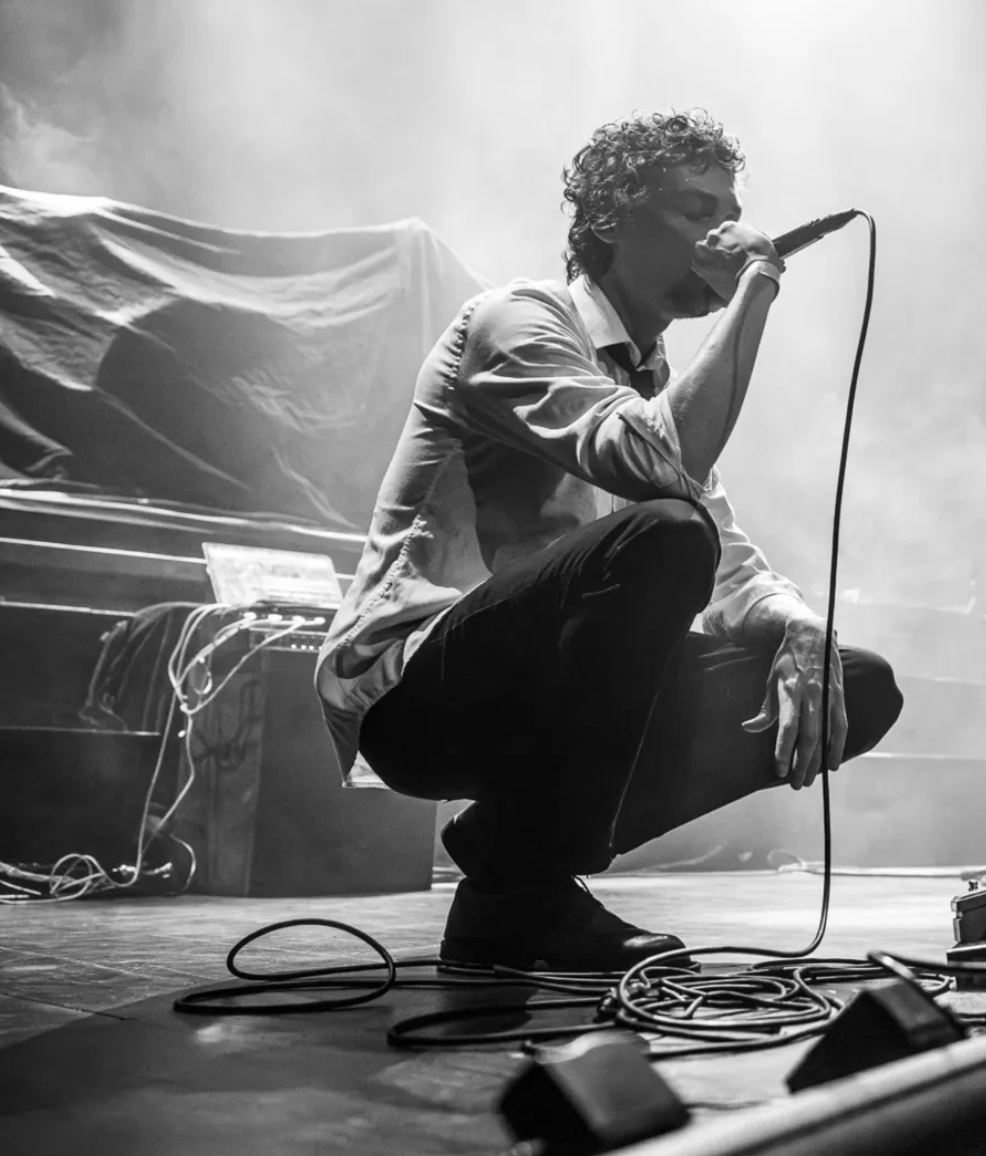
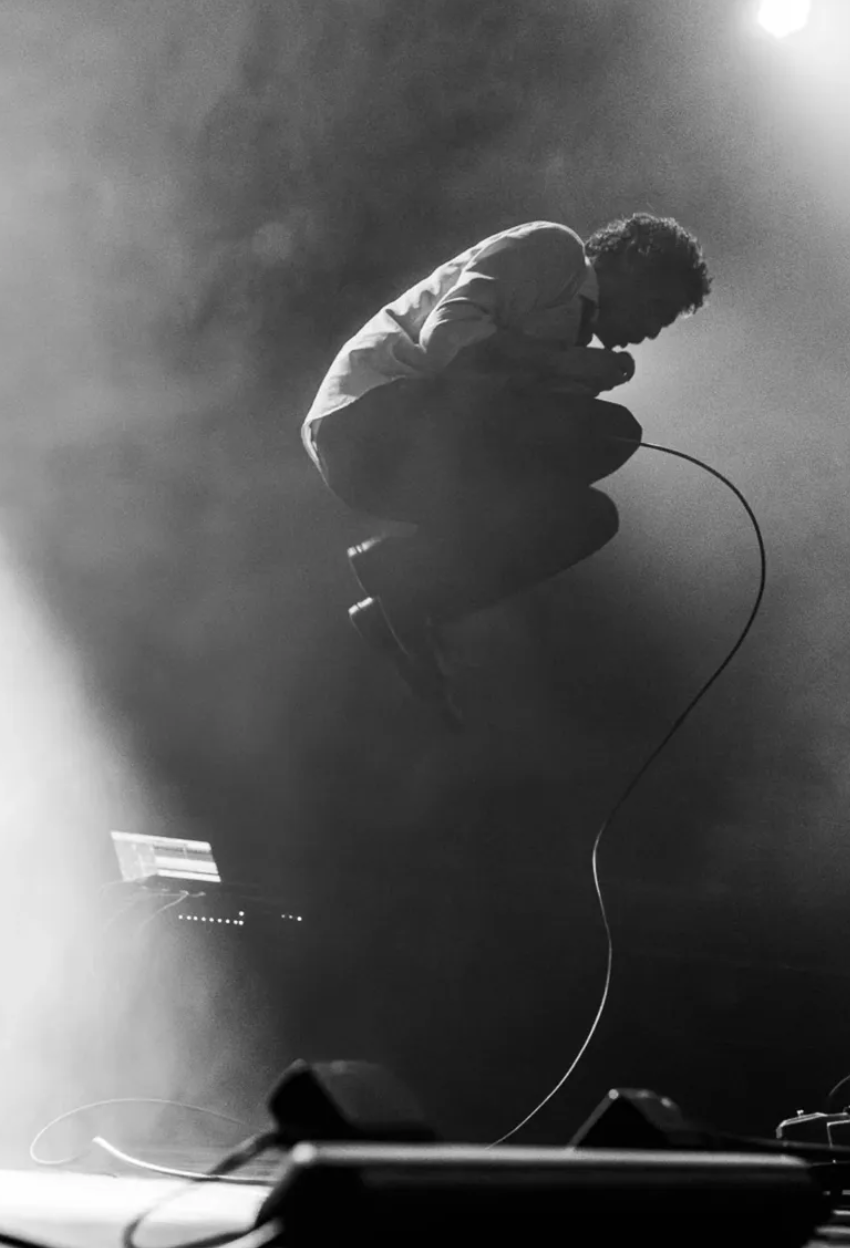
When I am on stage with Eckhart, it’s part of me which doesn’t conform and allows me to express myself in a way I wouldn’t do on a daily basis. I just want to perform, let it all go and have fun. I feel that I can do what I want and express what I want. I believe that if you feel something, you live it and give it.
Some people who have seen Eckhart live have told me it’s not the type of music that they would listen to at home but they felt moved by the live experience. It’s really heartwarming to get this type of feedback.
Evolution
Tell us about He's Dancing, He Says He Will Never Die
The title comes from the last sentence of Blood Meridian by Cormac McCarthy. An amazing novel. I’d say the album is fun and deep at the same time. Abrasive. I tried to give my best shot at making the kind of music that I love and never tried to do on my own before. There’s a mix between electronic, rock and punk. There are some tracks that you can dance to or just sit on the couch and introspect. To me, it’s a fun album.
How would you describe the evolution between Far From God and the album?
I wanted the music to sound less raw. When I made Far From God, I spent a year and a half alone in my room on a computer and doing everything on my own. With He's Dancing, He Says He Will Never Die, it was different as I had people to compose with and had to think about them during the creation process.
I wanted to challenge myself and to discover some new effects and new ways to make electronic music. I also wanted to go for a less hard compressed sound, more dynamic, more “old school” if I can use this term. More 90’s vibe.
How do you discover effects?
I listen to a lot of artists and watch demos or workshops to learn about how artists use their effects.
When you play music you have an active hearing, so I can’t hear something without wanting to know how it was done. I would also then look up some tutorials on the internet or try to recreate the effect myself.
Tell us about the samples you use on He's Dancing, He Says He Will Never Die
With Blasted Mirrors, the first song I composed for the album, I wanted to make a song with the most samples I could find and it was a fun challenge. The song starts with percussion from Kenji Kawai’s Ghost in the Shell, there’s a guitar sample from Jimi Hendrix, a sample from Chemical Brothers and it features an interview with 2Pac in the middle, some Geto Boys... It was a lot of fun to do.
How does it work with the copyrights?
We try to reach everyone behind the samples - the artist, the owner of the mastering rights - but no one answers. We do everything we can to get the rights but nobody replies.
If we have a problem, then we will give them the 50 bucks we made on Bandcamp.
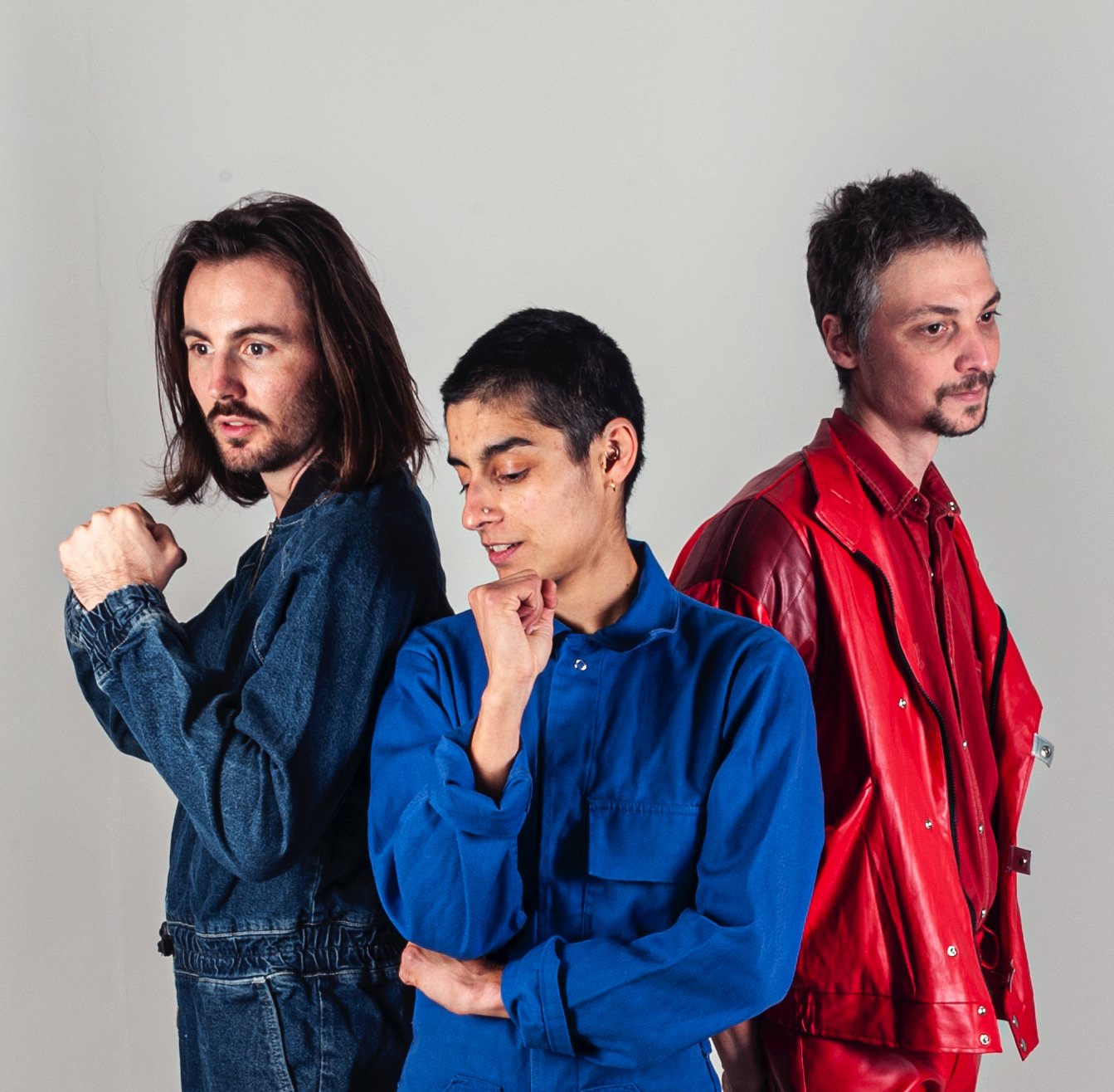
(Photo copyright: Alessia Olivieri)
Do you list all the samples in the album?
I credit some them all at least
How do you choose samples?
Instinct I think. Active hearing. Now I could be listening to an album or playing a video game, when I hear something that could be suitable. Sometimes there could be certain drumbeats and I would know straightaway that it could work for a song. One good thing about samples is that they’re already mastered and I don’t have to do much additional mixing.
JPEGMafia is a big influence for me regarding the samples because the guy can sample anything with anything. Prodigy, Sewerslvt, Death Grips, they’re all geniuses.
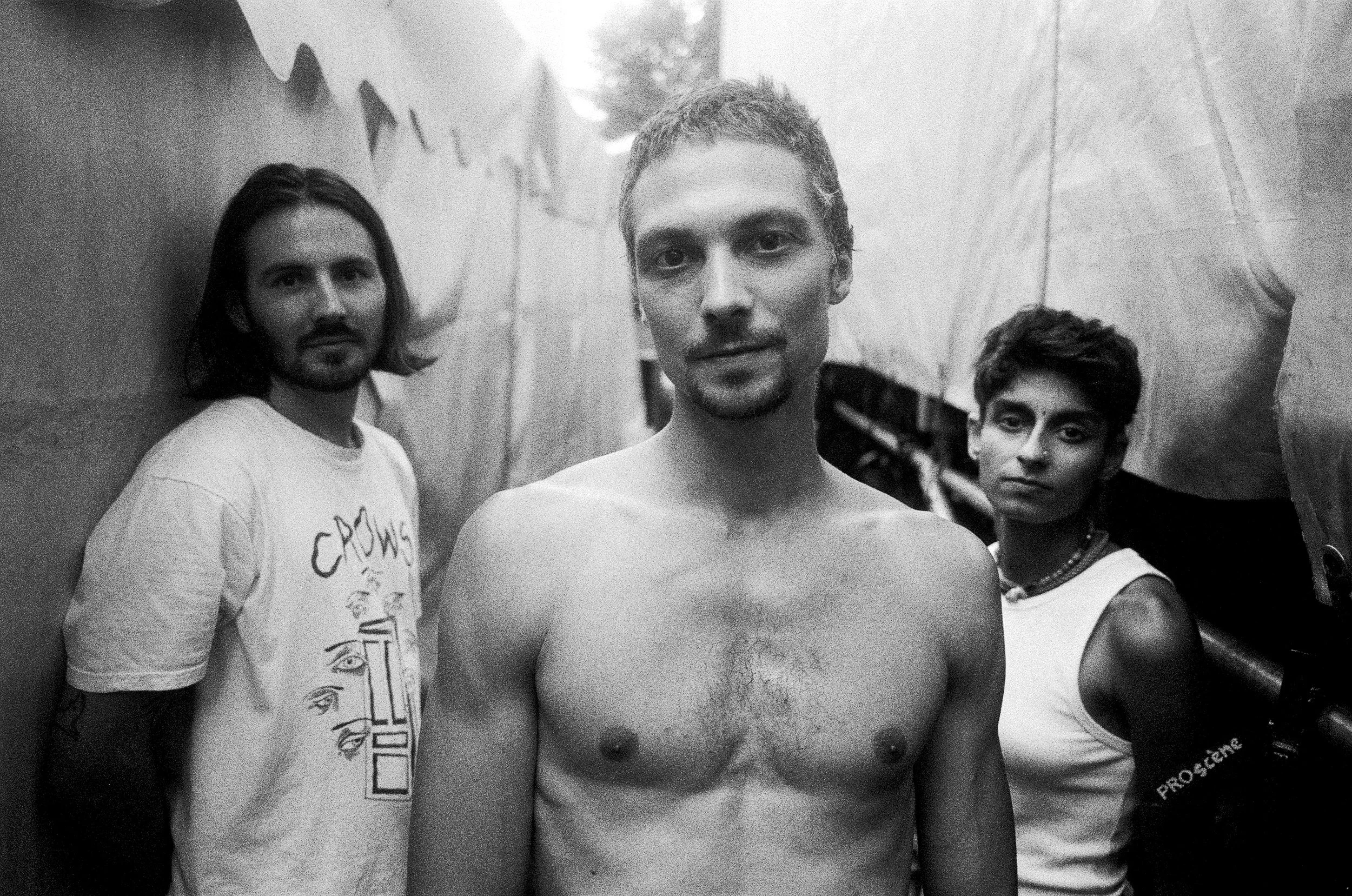
Line-up
Did you already have the idea in mind to work with Laurent?
I knew from the beginning that I wanted to work with a drummer and he was the first drummer I thought of. He’s a really cool guy with great energy, and a beast behind the drums.
Laurent joined at a time where he needed to play with other projects and try different things so the timing was perfect.
As a drummer yourself, do you have an idea how he should drum to the songs or does he have room for creativity?
I give him some ideas for the drumming and he would try out a few things but basically he already has a feel for the music and does his own thing. He also brought in some ideas for the drum parts on the album, like with the song, Parasite, where he tried some Songo groove on top of the drum machine and it interestingly worked out.
We can discuss how we feel about certain parts of the songs - if the drum parts fit or not, or how to add a build-up to the song. It’s really easy and cool to work with him. There's no ego involved. I feel so lucky to be able to play with a guy like him.
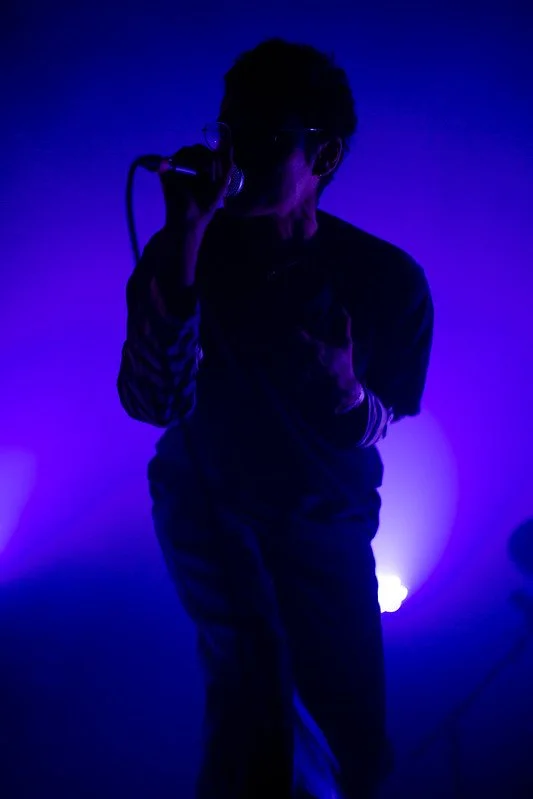
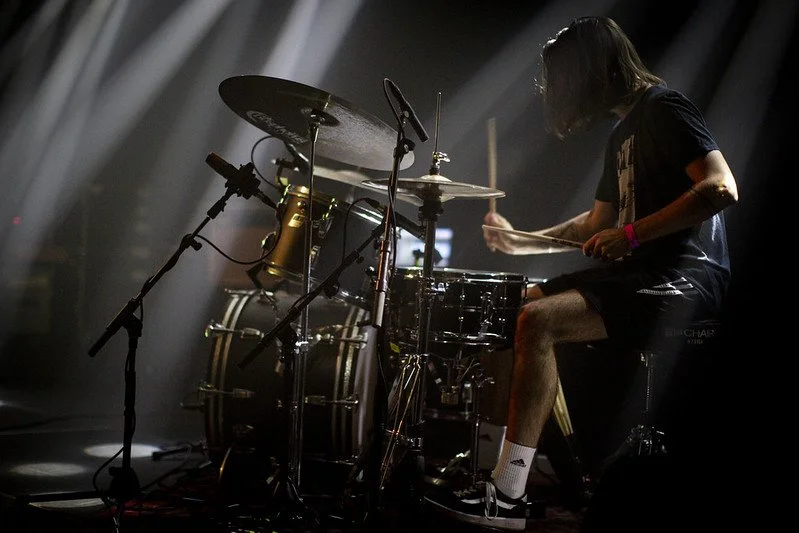
(Photo copyrights: Stephan Marchand)
How did Olivia join Eckhart?
We’ve been friends for a few years and we were also roommates. I used to hear her sing and I loved her voice.
One day I proposed to her to sing with Eckhart on Willing to Ignore on Far From God. We recorded our vocals and all the recording sessions were very easy and fun. Ever since Laurent joined, I have asked Olivia every time to perform the song and she’s always accepted.
I also had the feeling that Eckhart needed some feminine insight or some sensitivity. For example, on Cracked Egg, the energy is very abrasive and rash, then there’s a calming twist and she adds some comforting vocals, a bit like a mother. I love the contrast. The idea for the cover of Wicked Game on the album was also from her.
We love spending time together and making music together. It’s always a pleasure when she comes to perform two or three songs during a live set.
Do you wish to expand the project even further?
I’d love the project to be more organic with less backing tracks and more live instruments but I would like to keep the line-up simple and three people is the right amount at the moment.
How are the concerts as a trio?
Despite the fact that we play on top of backing tracks, I love the fact that, surprisingly, the songs are performed differently every time and it makes it really interesting.
(Photo copyright: Andrin Fretz)
M4M
What were your feelings about winning the prize? Did you expect it to happen?
I’ve already done some of these ceremonies before and I always get a bit frustrated with this type of event. Kind of off the mark. I wasn’t sure about going and Etienne from Blizzard Audio Club, my manager, persuaded me to go.
I had partied all night with my friend Simon the evening before and caught the first train to Zurich from Vevey. It was really a big surprise to have won the award. It was the first time I won something with my music.
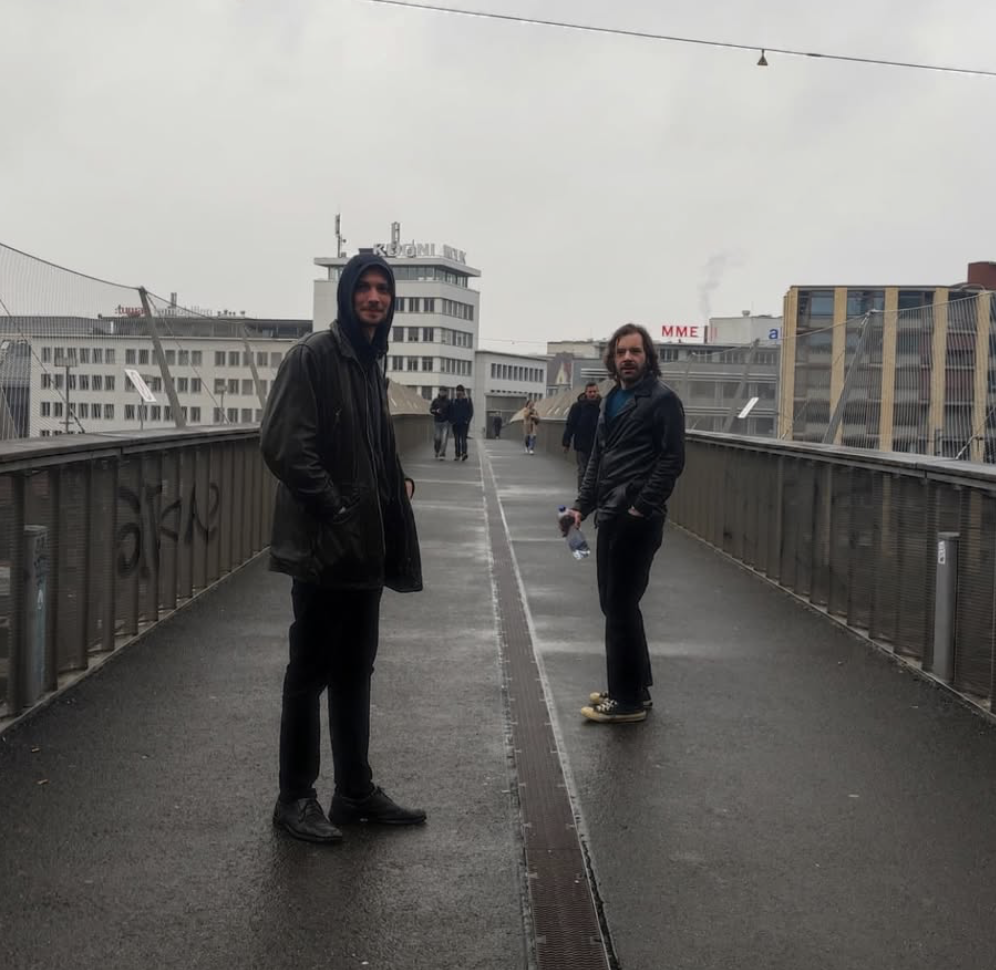
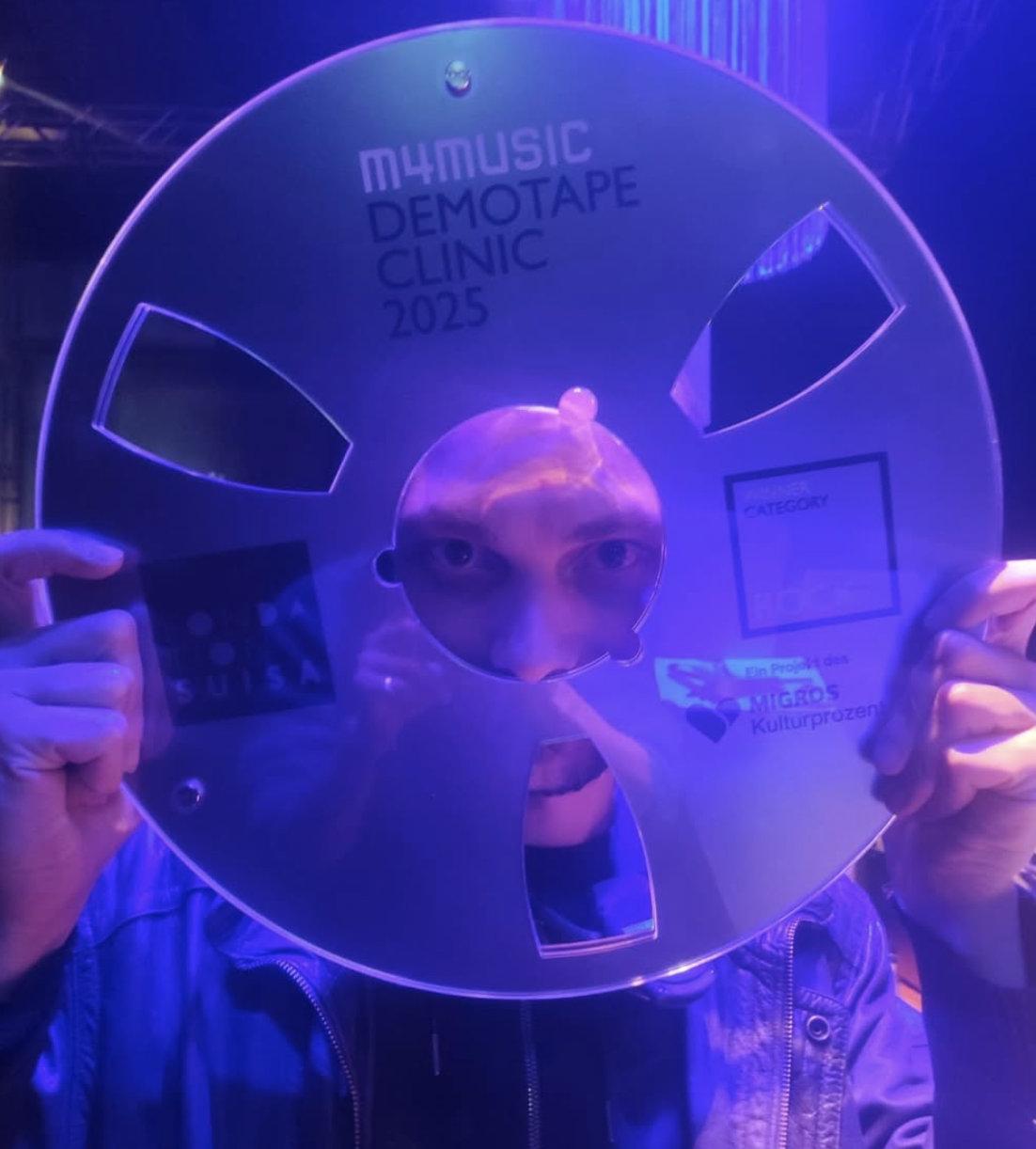
The song, Blasted Mirrors, doesn’t even feature Laurent on it, it was just samples and electronic drums at this point.
It’s always nice to have a bit of recognition for your work and I think it opened some doors to have more support from FCMA or other cultural actors in the Swiss scene.
It's cool, but to me it's just the beginning.
Future
Are you already thinking of the next step?
I'm already thinking about the next album, the next compositions, another live set up. The album isn’t out yet and I’m already thinking about the next steps.
All the compositions were finished in March or April 2025 and that’s already too long for me. I need to compose.
Have you thought about the direction?
This vision will come later but I love to compose albums or EPs with a scenario, like a movie, but I need to make 20 or 30 songs and then pick the best ones to make a coherent story.
I want to create songs which excite me, not songs which feel like I have already created them before. I want to feel surprised.
How do you see the future for Eckhart?
I want to play more, I want to play in different countries, I want to meet people, other collectives and new bands, I want to keep getting excited, and to stay curious, not just with Eckhart but also on a personal level. I want to play as much as possible and in new territories, build networks and have fun.
Since starting Eckhart, I'm also more open to contacting people on Instagram. I don't hesitate to write to them to let them know how much I like their music and to suggest a concert together.
What are your thoughts on the music scene in Switzerland?
The last gig we did was at Le Bout du Monde with Waldskin, with the singer Mariam, and there was something really authentic about the way she was singing and physically incarnating the music she was singing. What really touches me in general is people who are really true in what they do and just do what they like, for example, Waldskin or Chaufau I recently discovered Bound By Endogamy and I dig their style.
I feel like the music scene in Switzerland is really alive. A lot of projects, people trying new stuff together…
But I think there are various pressures, for example, economically and ideologically, on the artistic scenes in Switzerland and in Western countries, that make people not focus on the beauty of art. And of course you have the pressure for bookers and venues like social media visibility, costs and not losing too much money. Which is totally fair and part of the “game” by the way, I’m not judging. They got a hard job too.

(Photo copyrights: Marwan Khelif)
There are a lot of great venues like Fri-Son or Ébullition which survive mainly due to cultural subventions. The support helps a lot but it feels like that there isn’t much urgency to support music in the long term. In France, there isn’t a lot of help for culture but there is a special “intermittent du spectacle” status (a specialized unemployment insurance scheme for artists and technicians in the live performance, cinema, and audiovisual sectors), which is difficult to get and people working in culture really struggle. Whereas Switzerland has more financial help but not this special type of status. In the end, it feels like the struggle is the same in both countries.
Culture will always be the first economic sector where politics make cuts in budget I think. Just remember COVID and how we were considered “not essential” and forced to comply to some sort of authoritarian rules just to keep doing our job. Also because Art makes people think. I believe. And power and bourgeoisie don’t want people to think for themselves and be moved by something else than what the consumerist society has to offer. So we’ll always be on the bad seat. But that’s a seat I gladly take.
Links:
Related articles: