
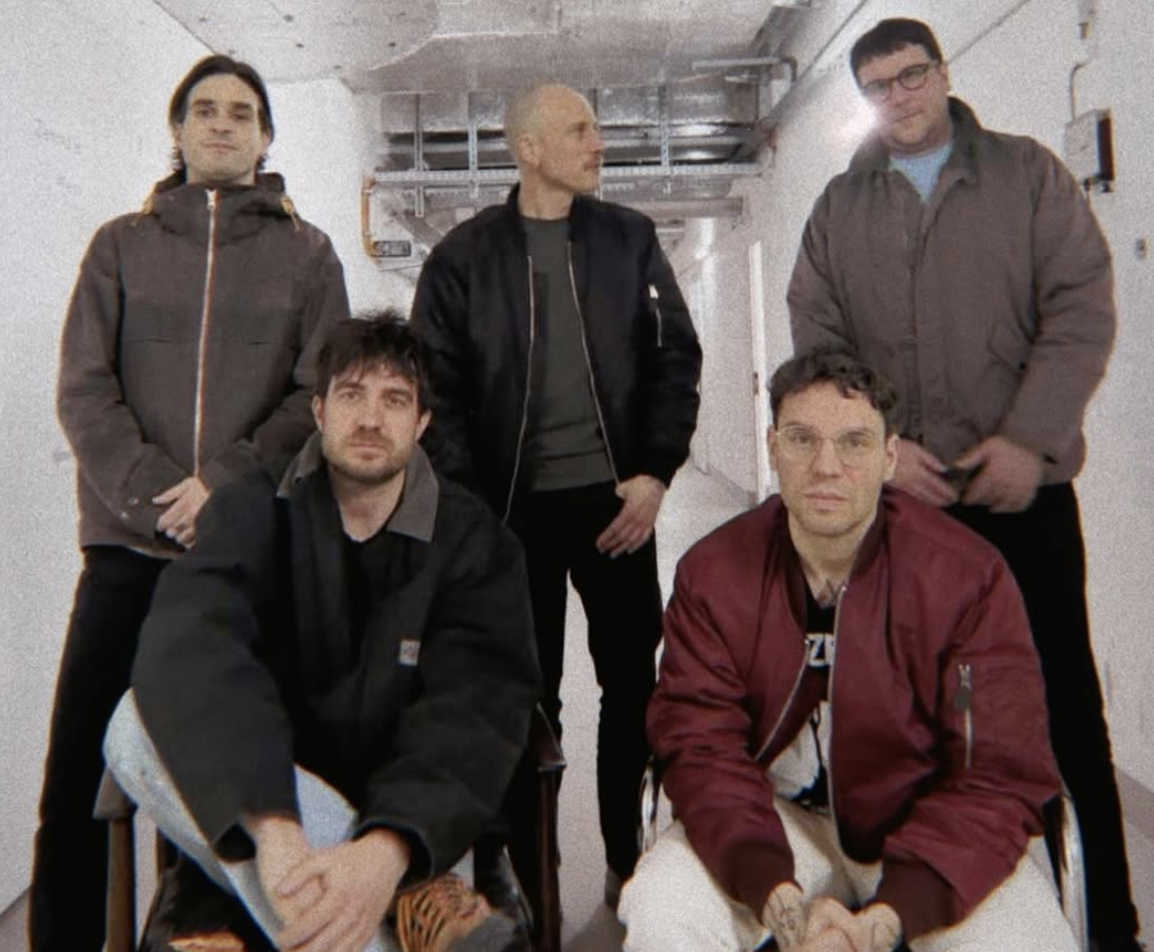
(from left to right: Dominik 1, Simon, Dominic, Samuel, Dominik 2)
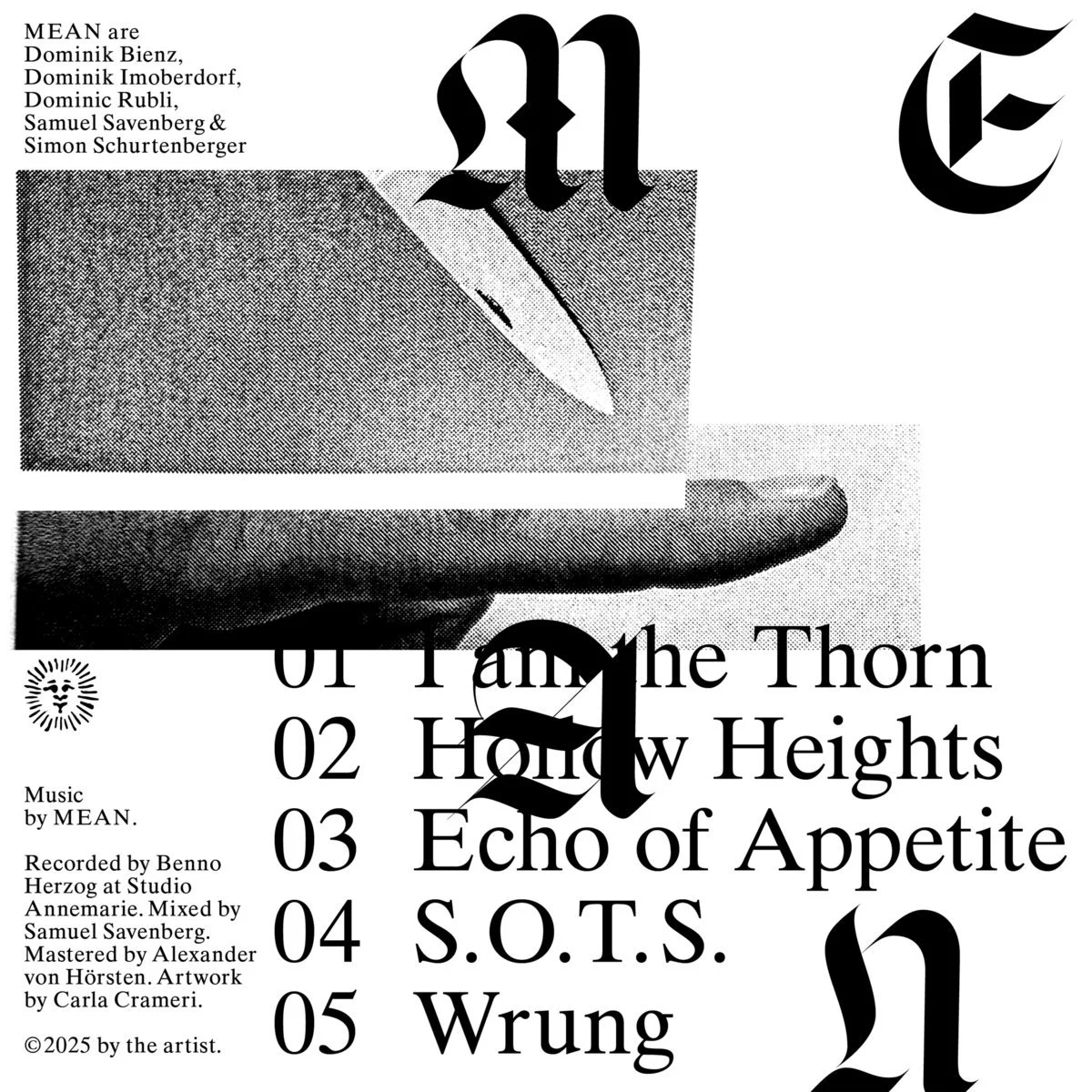
One of the EPs that I have found myself going back to on a regular basis is the self titled debut EP from MEAN. The five songs really pack a punch - from the intense post-punk energy through the arrangements and vocals to sing/shout along with. I am also really impressed by the in-house production and I think that there is also a nostalgic 90s feel to the EP. When I read the band’s description of the EP, I found it to be rather fitting to the music:
“Five songs for people with back pain and addiction issues, somewhere on the edge of a midlife crisis right before the first divorce.
But also five songs in the name of friendship and love for music.”
I am always curious to find out more about the people and the stories behind the bands, especially when there aren’t too many details around. Through the music I already had the impression that the members have been involved in many different musical projects over the last few years.
It was definitely a pleasure to read about the background to MEAN and how their journey has been so far! The band will be performing at the Echolot Festival on Saturday 31st October in Lucerne.
I would like to thank Dominik 2 and MEAN for their replies!
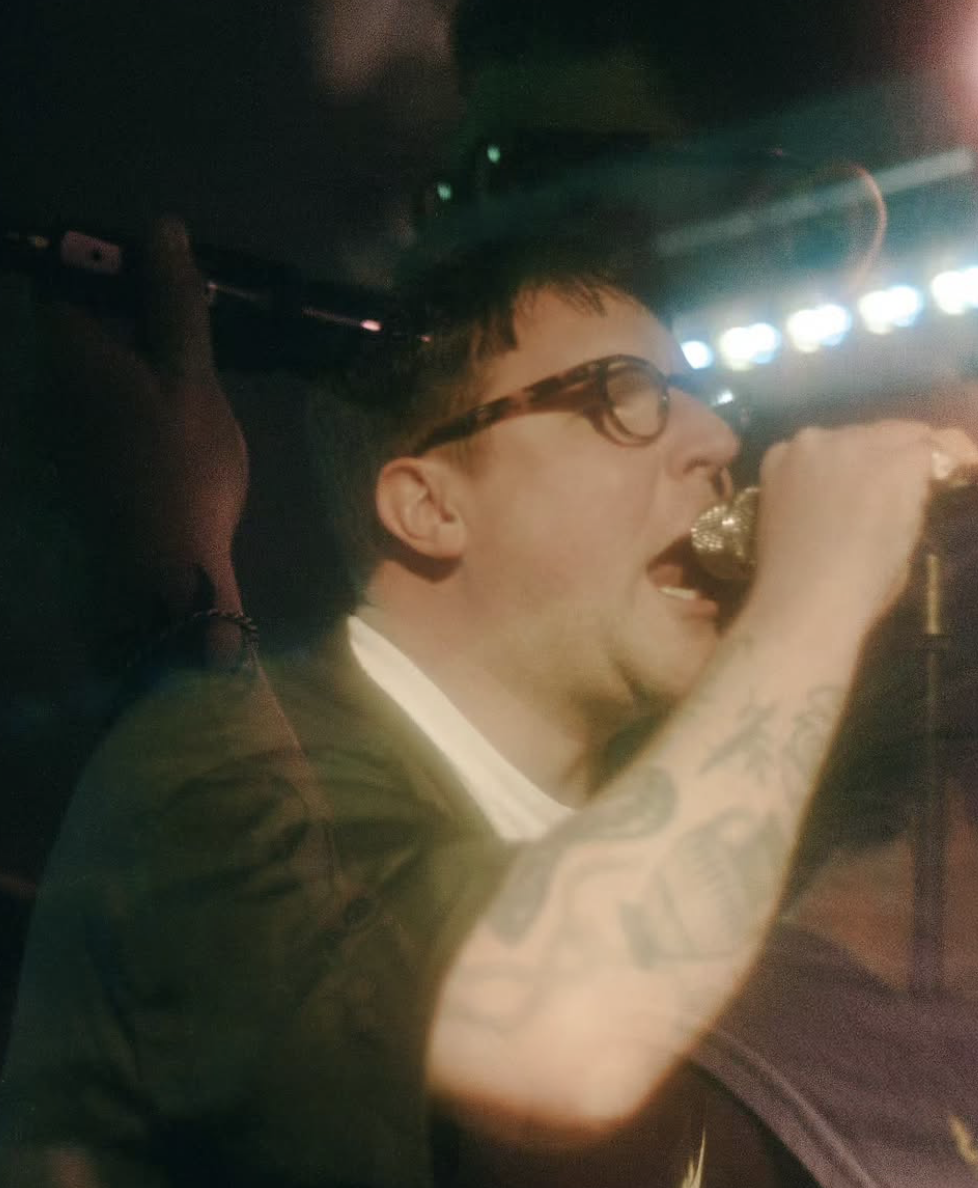
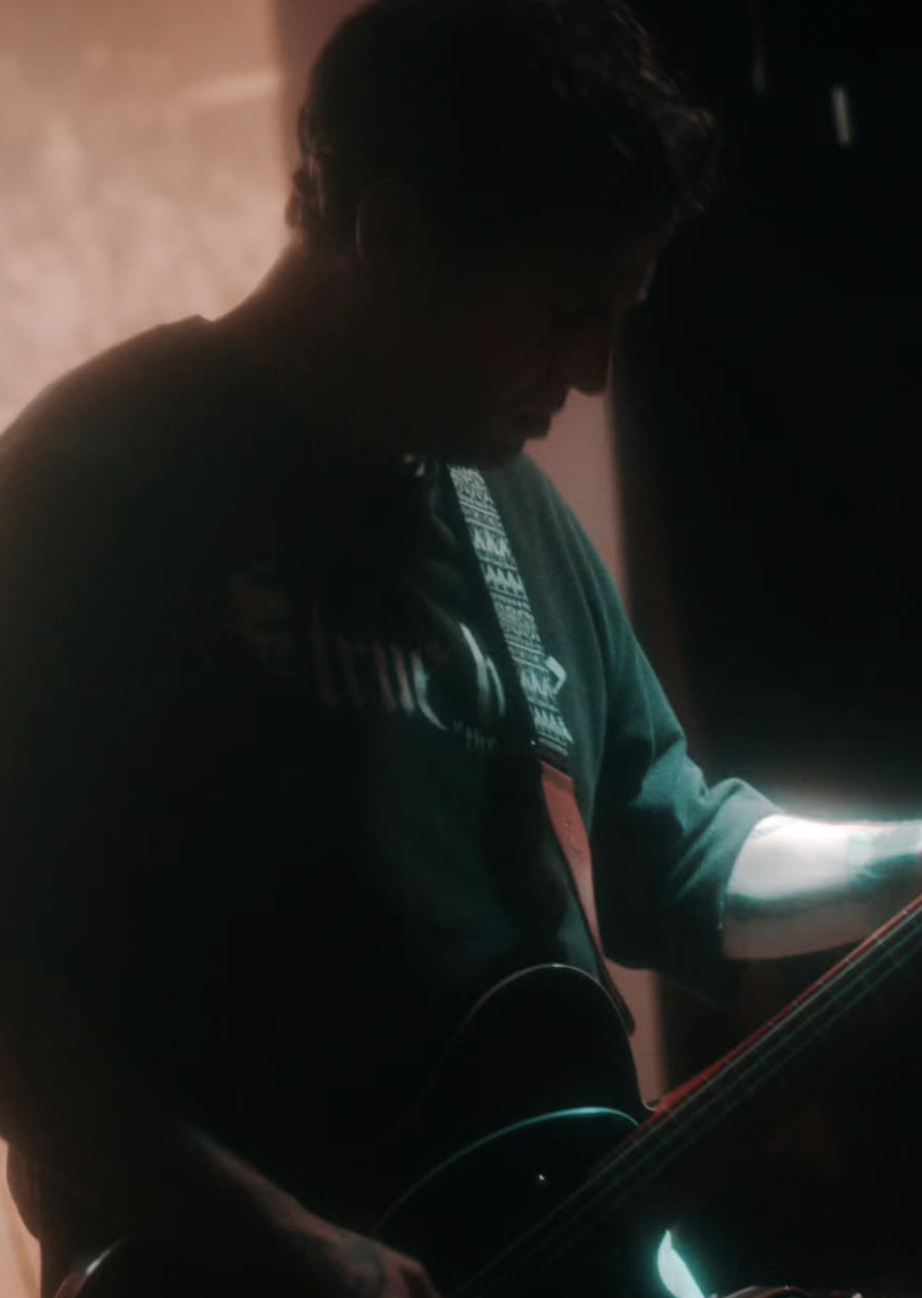
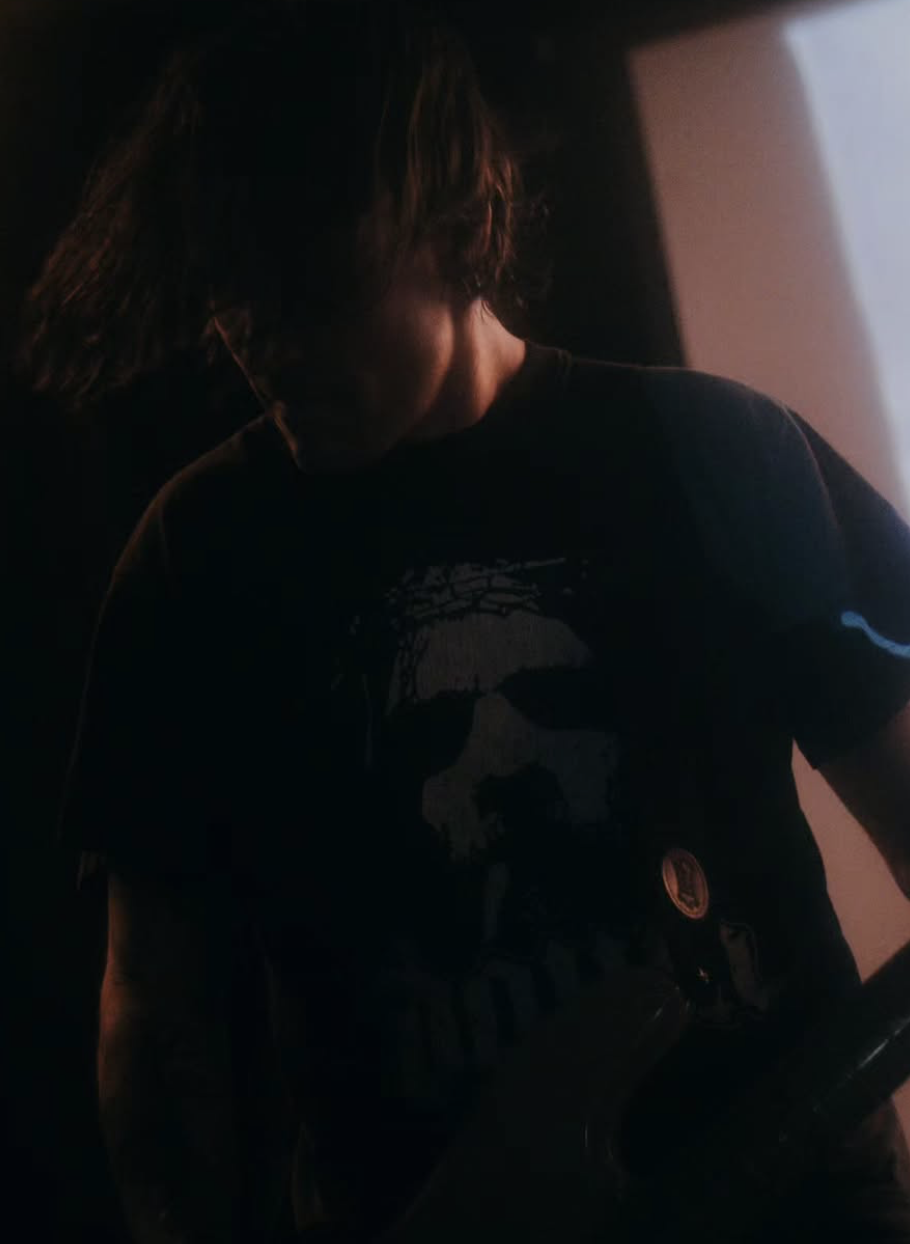
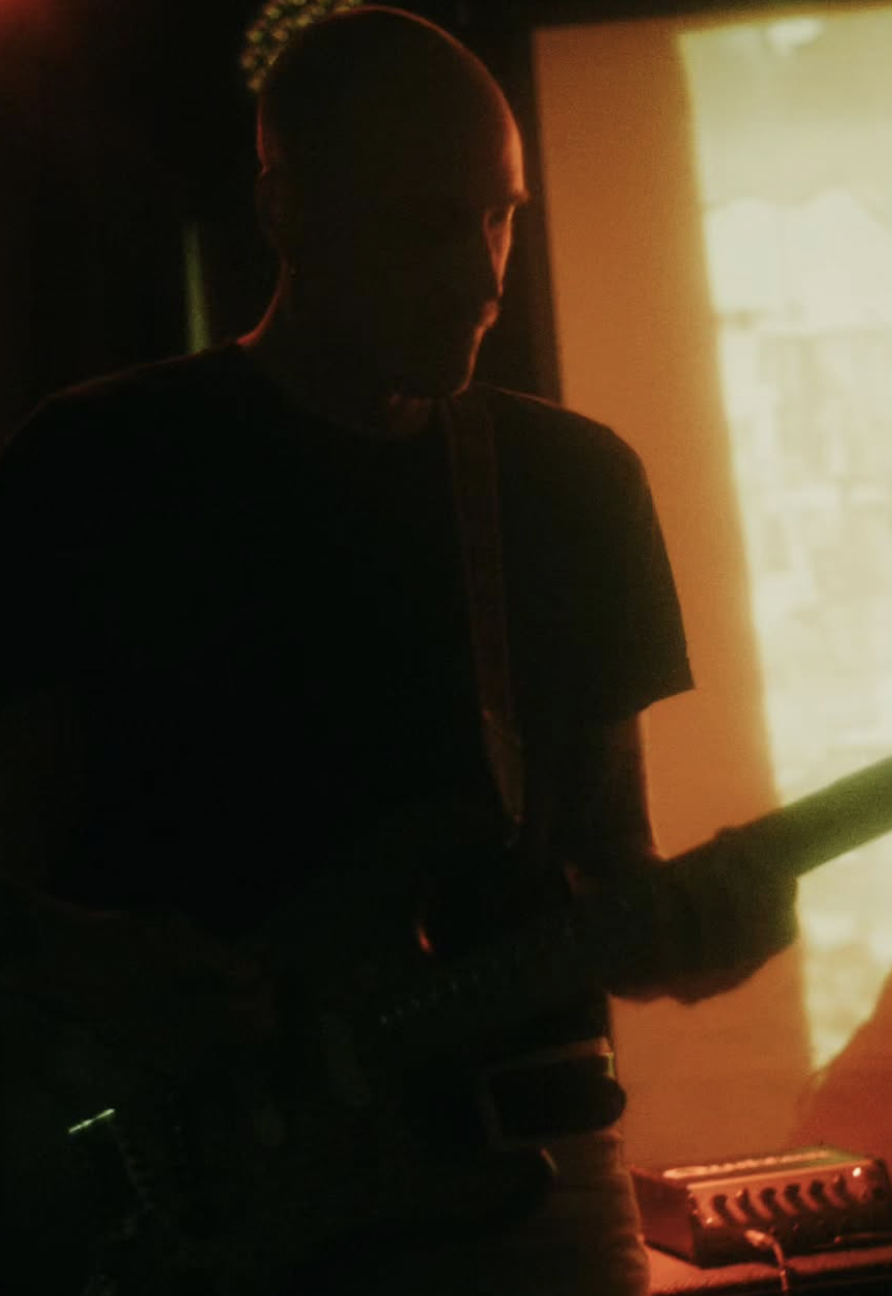
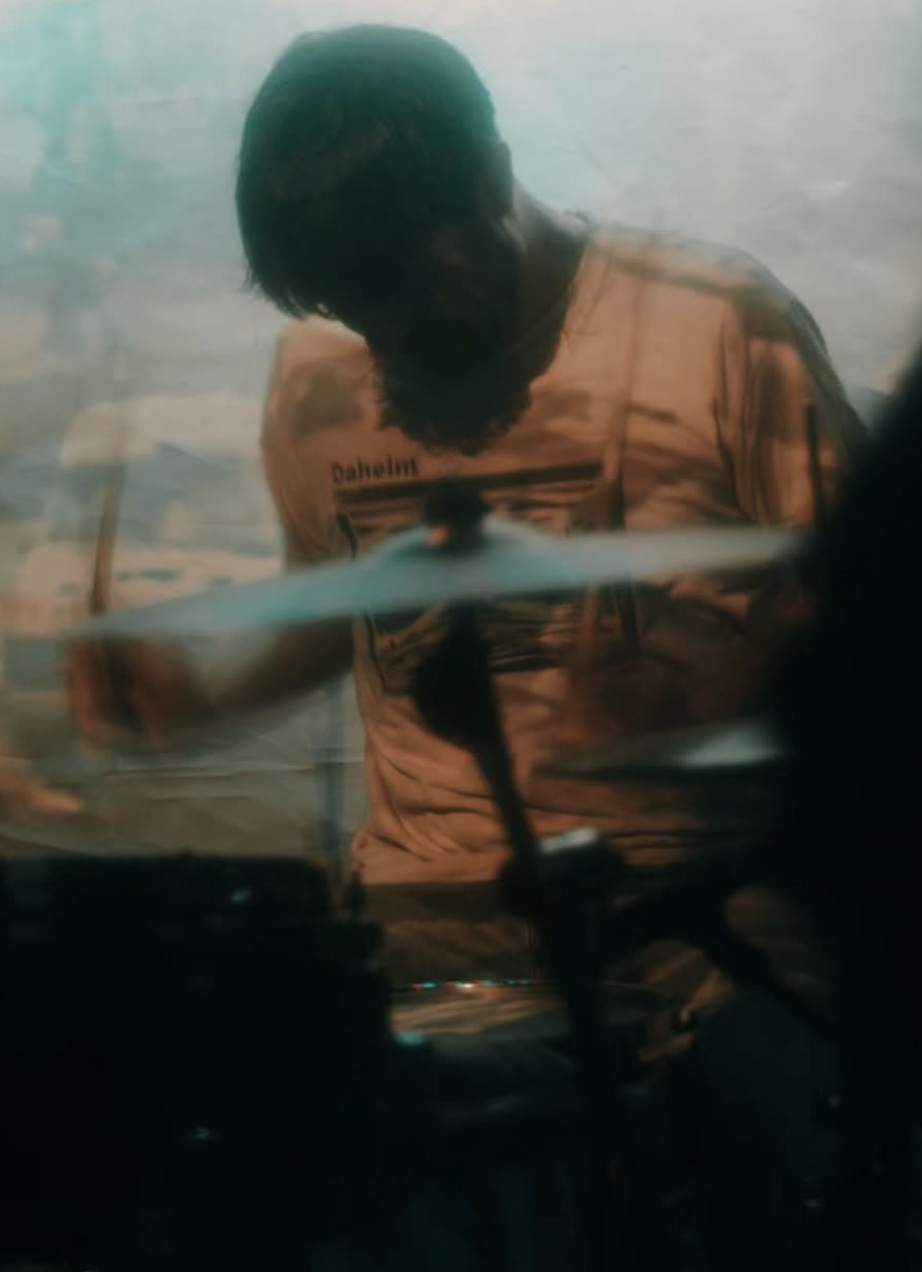
(Photo copyrights: kaya1337161)
Introduction
Introduce yourselves who is in the band and on which instruments? Which other projects are you in?
MEAN is Dominic on guitar, who also plays in ZART; Dominik 1 on bass; Dominik 2 on vocals, who also drums in Les Yeux Sans Visage; Samuel on guitar, who also plays in Die Selektion and releases music under his own name; and Simon on drums, who also plays in Visions In Clouds.
There are probably a few other projects among the five of us that some people may or may not know about, but I’d say these are the main ones we’re currently involved in.
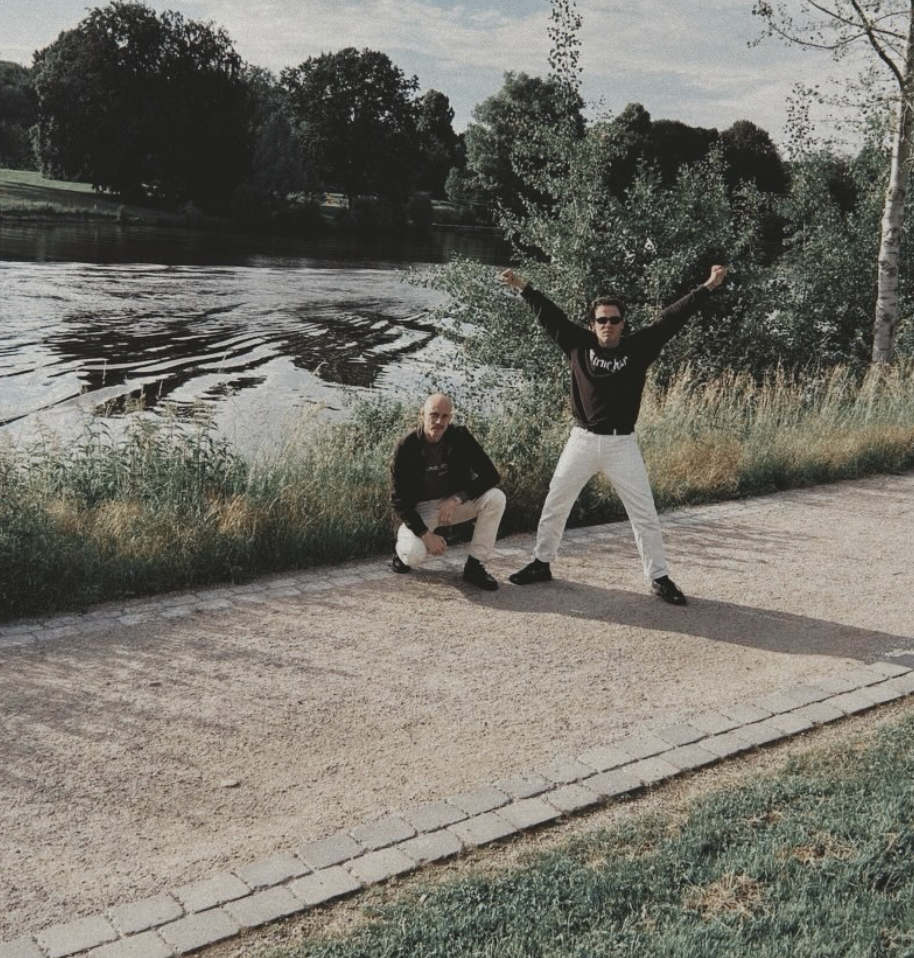
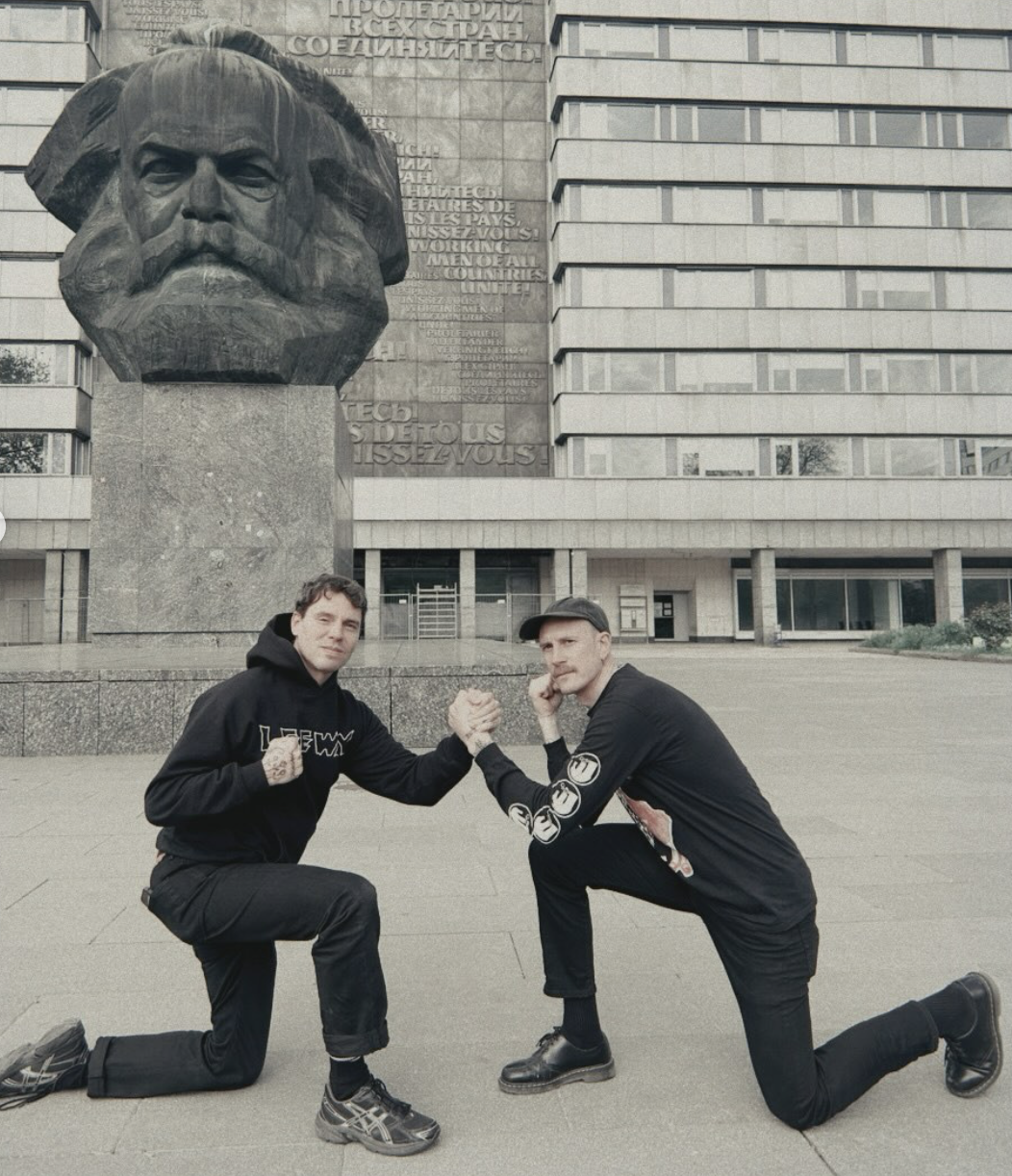
Is it confusing to have three Dominiks/Dominics in the band? How does that work?
It actually can be a bit of a challenge sometimes. Whether we're in the rehearsal room or chatting in our group chat, we regularly have to make sure it's clear which of the three Dominiks/Dominics we're talking to. Within the band, we've found a pretty practical solution thanks to some creative nicknames, although we've gradually grown a little less attached to them as we've got older.
And whenever we introduce ourselves somewhere – for example, when we arrive at a venue – it's usually a great opportunity for a first laugh together. You could call it a natural icebreaker.
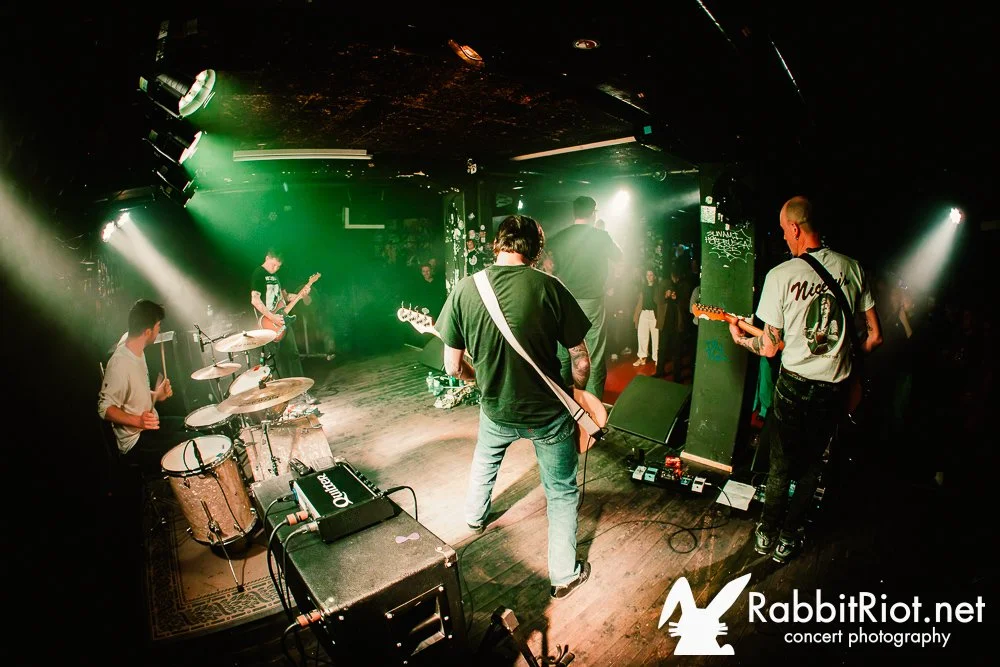
(Photo copyright: rabbitriot.net)
Where did you meet? Where did the idea come from to create MEAN?
Some of us have known each other for over 20 years. I think it's fair to say that music has always been what brought us together, kept us connected and strengthened our relationships over the years. Even when life took us to different places, we would still meet at shows or occasionally play together in various projects.
The idea of starting a band together had been floating around for so long that it was almost becoming a myth. I guess MEAN was also a way of reminding ourselves that, despite everything that had changed over the years, we still shared a lot of the same ideas, inspiration and love for music.
Did you already have an idea for the direction of the sound that you wanted to create?
I think it was always clear that we wanted to play some kind of hardcore, punk or rock music, whatever form that might take. Our first two or three songs were actually much faster and harder. The songs on the EP then developed pretty organically, without us trying to force the sound in a particular direction.
These days, we spend a lot more time talking about different directions, vibes and influences, and where we might want to take our sound next.
Do you have a specific approach to writing the songs?
Our approach is largely shaped by the geographical distance between us. We don't rehearse regularly, but instead get together every few weeks or months for several days at a time. So, unless we have a rehearsal coming up where we can bring in new ideas, the process usually starts with one of us sharing a rough song idea with the others. From there, we develop it by recording our individual instruments separately.
The next time we get together is also a kind of reality check for the songs: How do they feel when we actually play them together? What works and what doesn't? How well do our individual ideas about the songs or certain parts fit together?
But sometimes it's much simpler than that. One of us might just drop a song into the group chat and say, «I want to do something like this.»
What are your influences (musical and non-musical)?
Musically, probably around 50 years of rock music – roughly from the late ‘70s up to now. Punk rock in the broadest possible sense, including all of its bastard children. Some of us are involved in other projects where a lot of the music is created in the studio or electronically, so with MEAN, the raw, live aspect of playing together has always been particularly important.
As for non-musical influences: life crises, back pain, hangovers and the unbearable heaviness of existence. We’ve already said pretty much exactly that in our bio or band description, but it still sums things up pretty well. We don’t want to make a joke out of it, but at the same time, it feels like the wrong question to bluff our way through with some overly profound answer or to glorify something that simply isn’t there.
The truth is pretty simple: life happens, with all its ups and downs, and naturally that affects us and finds its way into the music we make.
The vocalist is the drummer from Les Yeux Sans Visage, how is it to step out from behind the drum kit to do the vocals in MEAN?
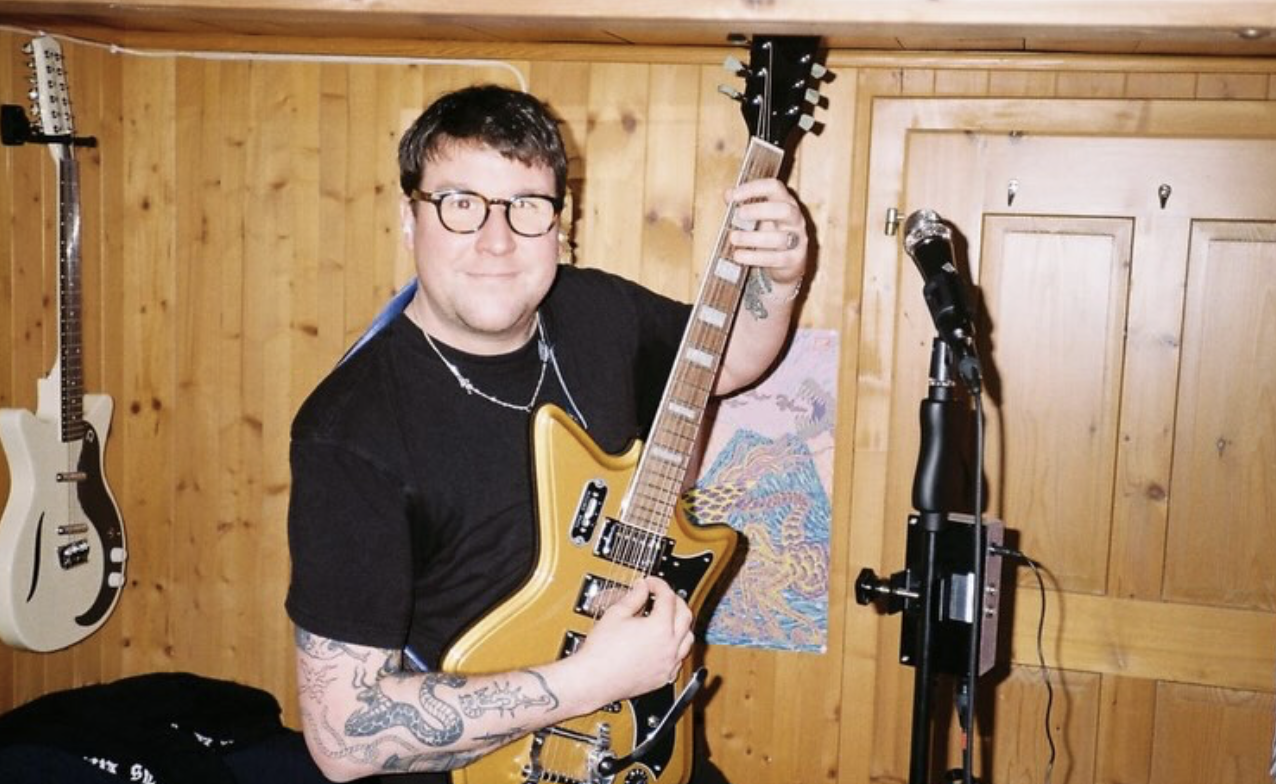
I’d thought about trying a different role in a band for quite a while. Moving from drums to vocals probably felt like one of the more obvious steps or at least one of the easier ones to take. With vocals, I also always had some idea of what «my sound» might be, or at least what kind of approach I wanted to take. So in that sense, it felt like something worth trying.
Maybe one day I’ll even fulfil my rock boy dream of playing guitar in a band. On the other hand, I’ve always been slightly suspicious of musicians who want to do everything and can supposedly do everything. So realistically, drums are (probably) still where I’m or will be best.
The self-titled EP
What were your thoughts going into the studio?
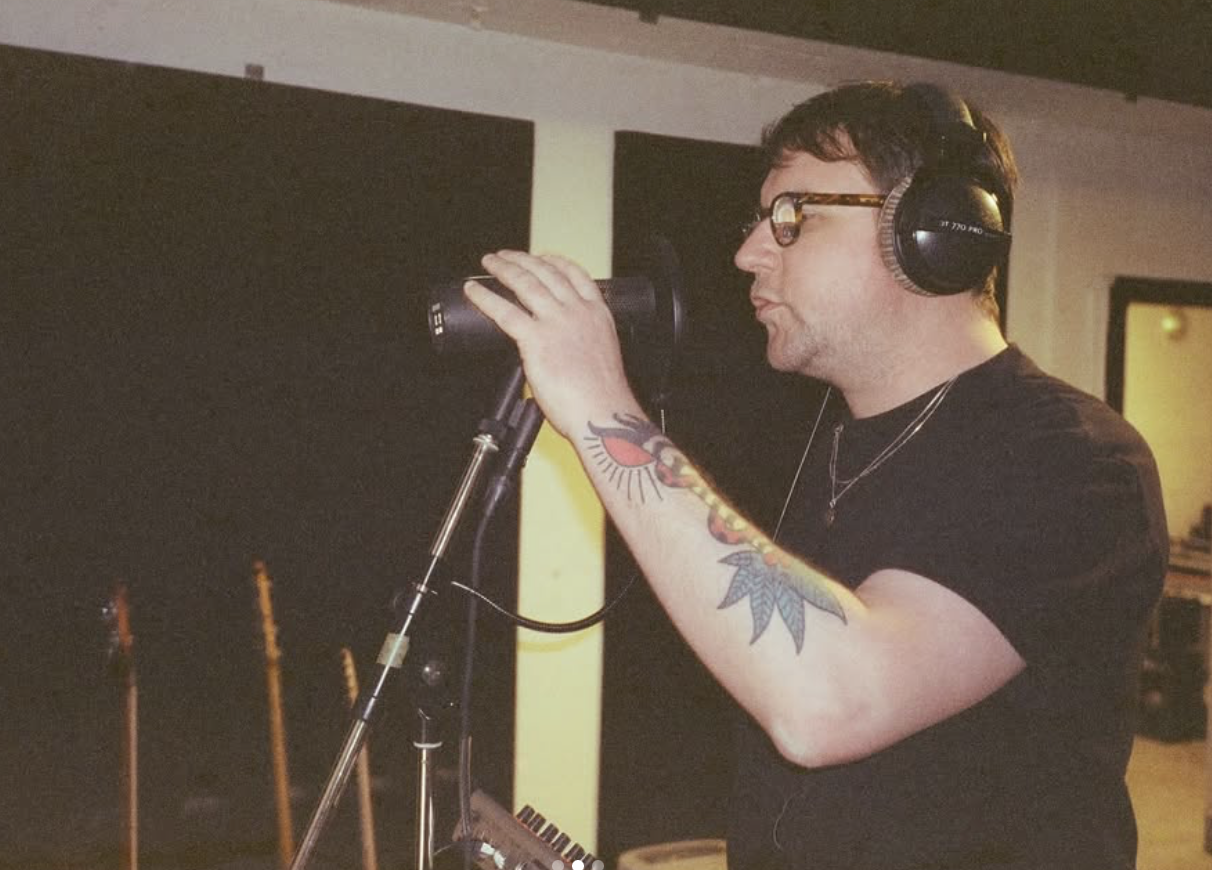
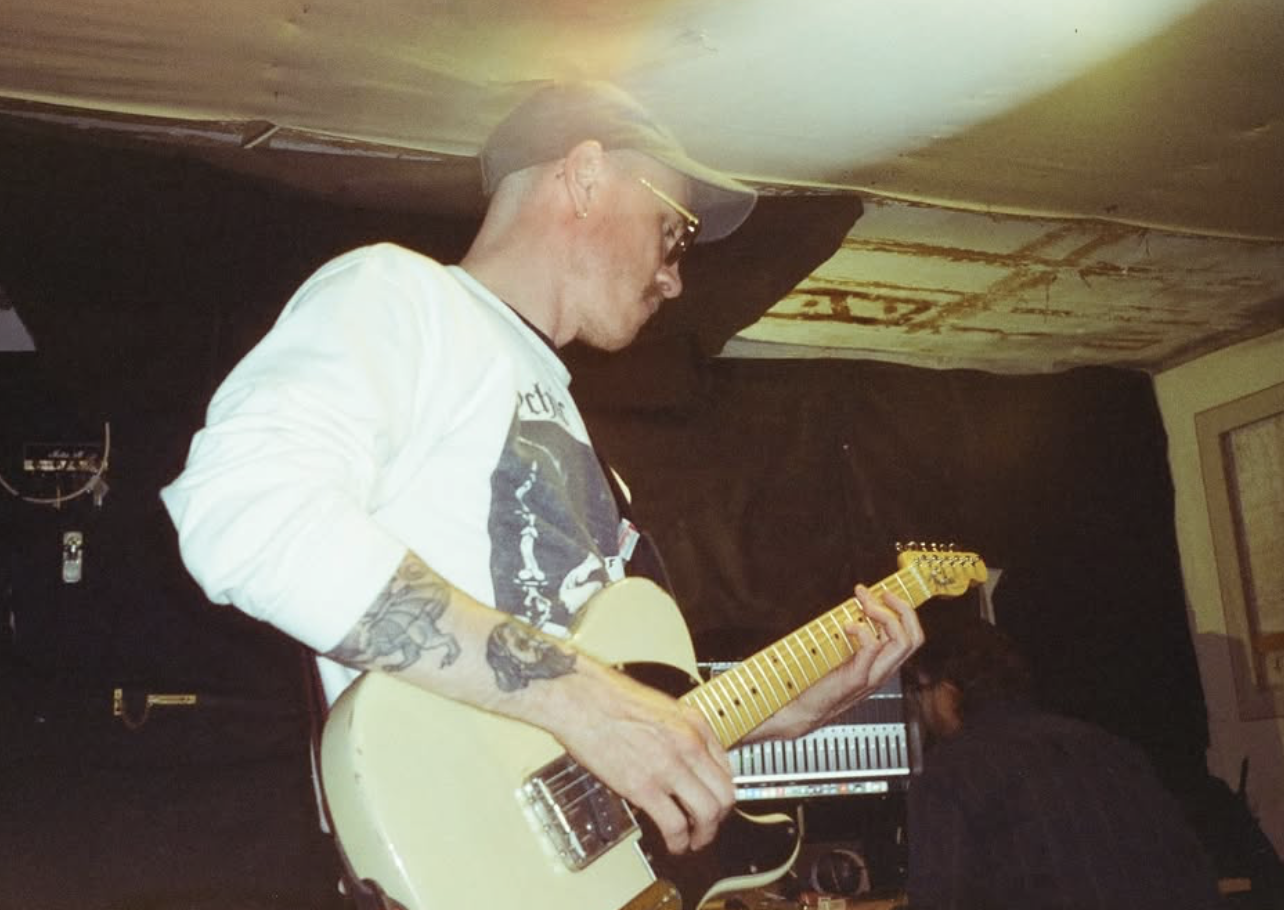
I think we’d probably all give slightly different answers. Enthusiasm and a healthy dose of scepticism were probably the two things we had in common, although those are more feelings than thoughts.
Especially in the beginning, alcohol, speed and edibles were almost a regular part of our rehearsals. On the one hand, that created some tension within the band, and on the other, it didn’t exactly help with productivity. Well, maybe it helped with productivity or creativity at times, but definitely not with quality. At some point, we actually had to pull ourselves together and figure out what this band meant to each of us individually, but also what we wanted it to be as a group. To be honest, that’s something we’re still figuring out today. Not the substances, fortunately, but the question of what we are as a band.
For various reasons, almost two years passed between our first rehearsal and the recording sessions. I think that, at least for some of us, setting a date and actually committing to it was pretty important. We needed a deadline to finally get off our asses and say, «Okay, let’s do this.»
So in that sense, going into the studio was probably more about creating momentum, getting on the same page and keeping the group motivated than about having one very specific musical vision in mind.
How did you choose which songs to record?
From the very beginning, we were working towards a first small release, whether that would be a demo or an EP. Of course, we discarded some ideas along the way, sometimes individual parts or even entire songs, but overall, we didn't end up with much unused material.
We never wanted to be one of those bands that spend years collecting songs without ever releasing anything. We wanted to be productive, record music and play shows. Since the geographical distance between us naturally slows things down compared to a band that rehearses every week, we felt it was important to keep moving forward.
That being said, quite a bit of time still passed between our first rehearsal together and the release of the EP.
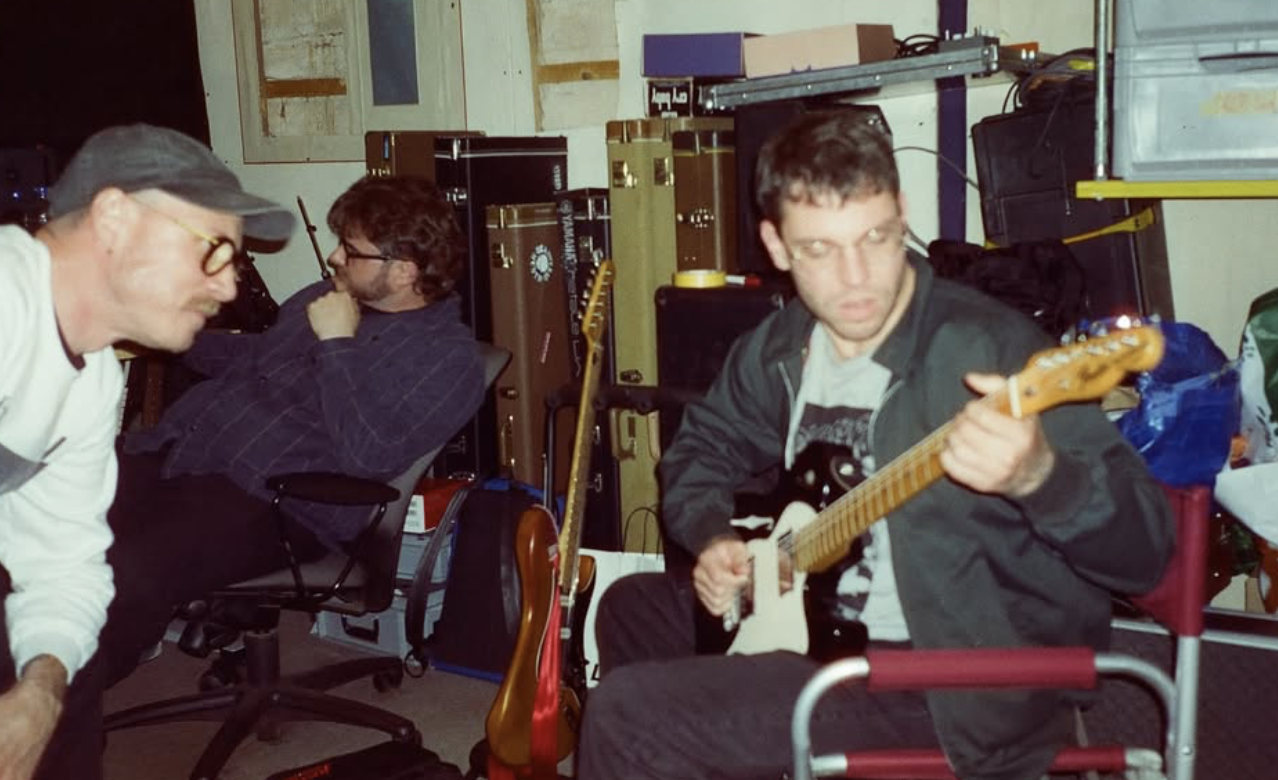
The EP was also mixed "in-house" - what advantages (and disadvantages) did that bring to the recording sessions.
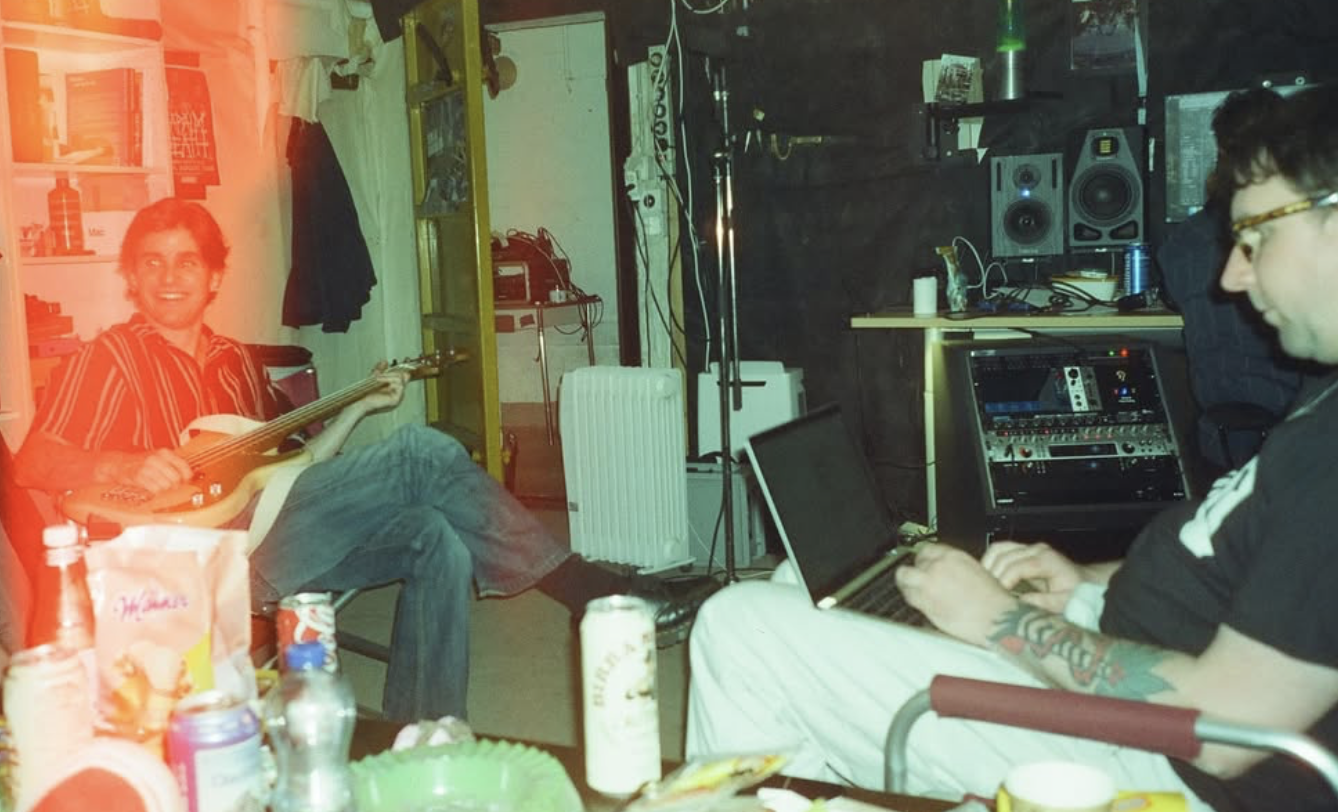
Doing things in-house can always become another excuse for not getting your shit done, but luckily the mixing process went pretty smoothly and didn’t drag on for too long.
We did consider having someone else mix the EP, and that’s definitely something we might do with the next release. But at that point, this was really just our first sign of life. We hadn’t even played a show yet, so we had absolutely no idea whether anyone would care about the record or whether it would get any kind of attention at all.
So, to be honest, the decision to mix it ourselves was mainly an economic one. It gave us the chance to finish the EP without putting too much money into something when we had no idea what kind of response to expect.
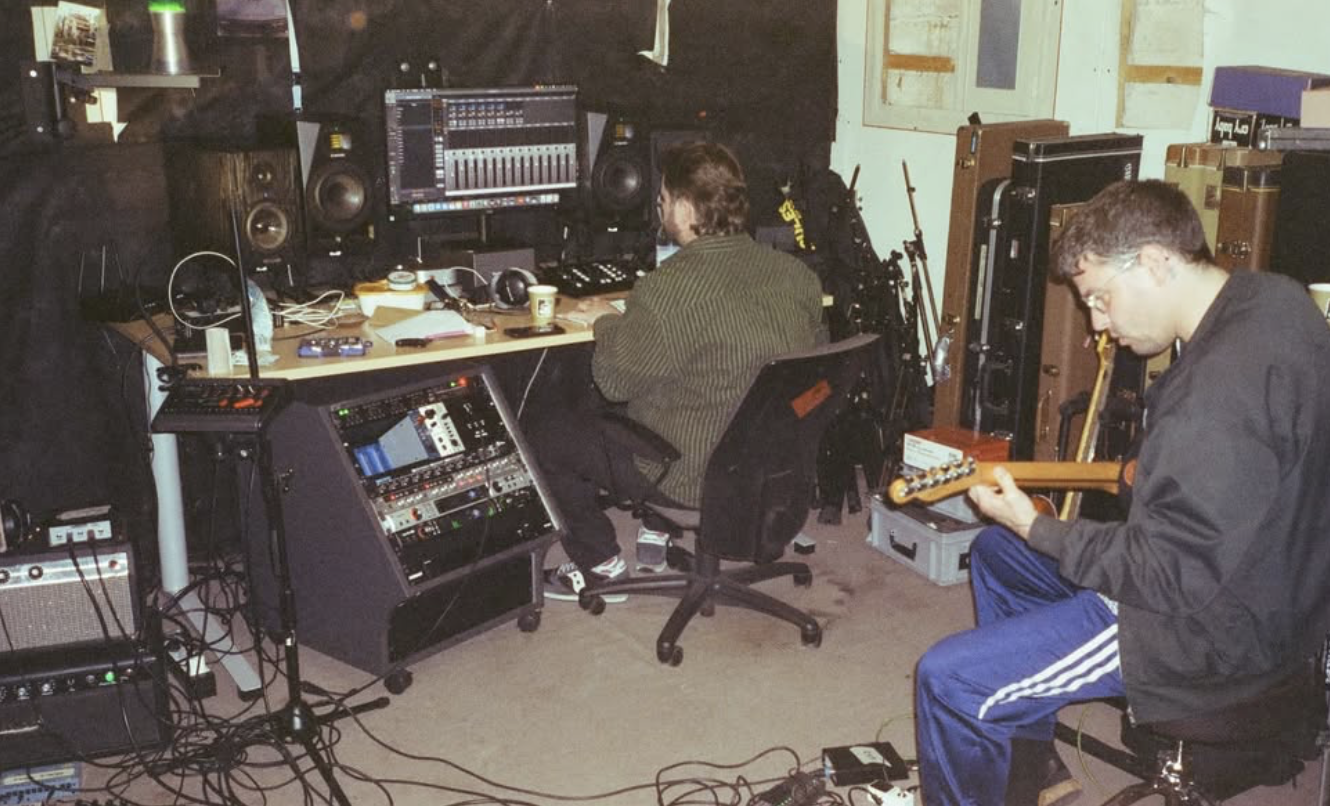
I am impressed by the overall sound of the EP - what are your feelings about it? Is there anything specific you did to capture the sound?
Thank you. We definitely didn’t want the EP to sound too polished or overly produced. We wanted to keep a certain roughness and make sure it still felt like us.
Looking back, I personally might have tried to capture even more of that rawness. But I guess there’s always something you would change in retrospect once you’ve had some distance from a recording. Overall, though, I think the sound fits where the band was at that point.
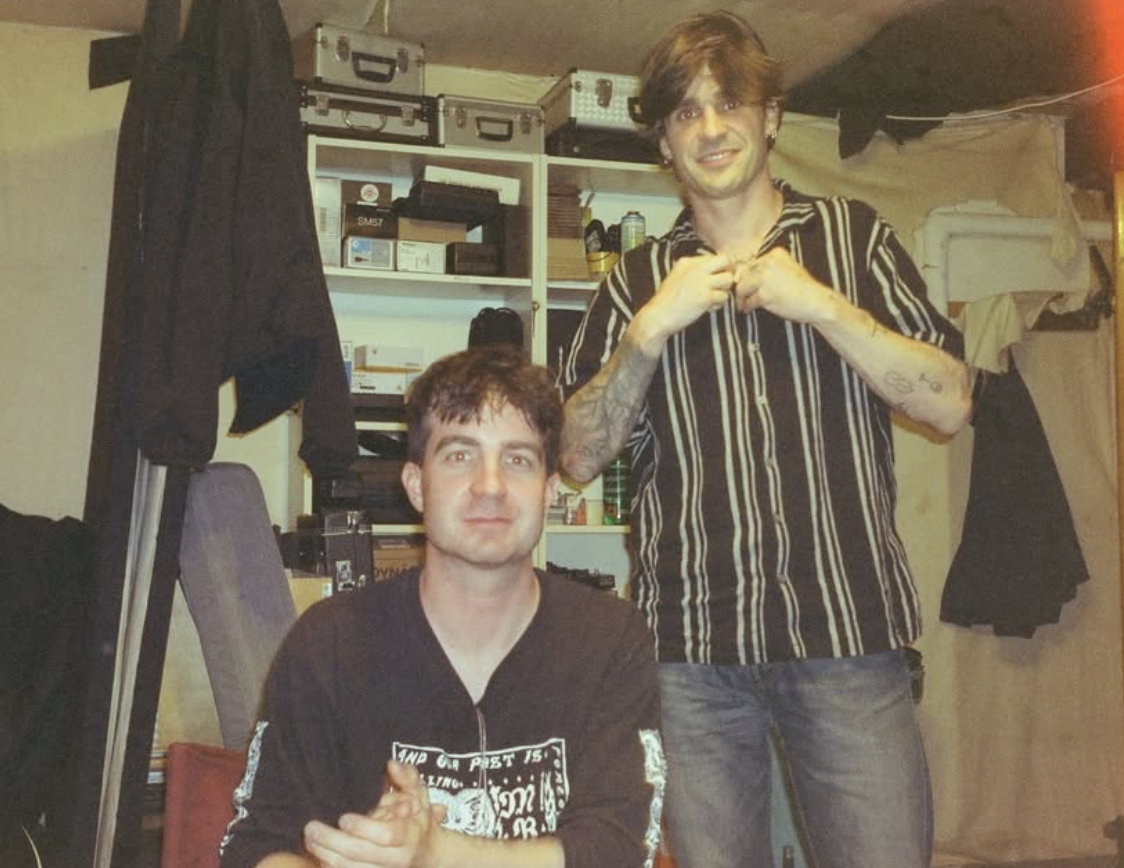
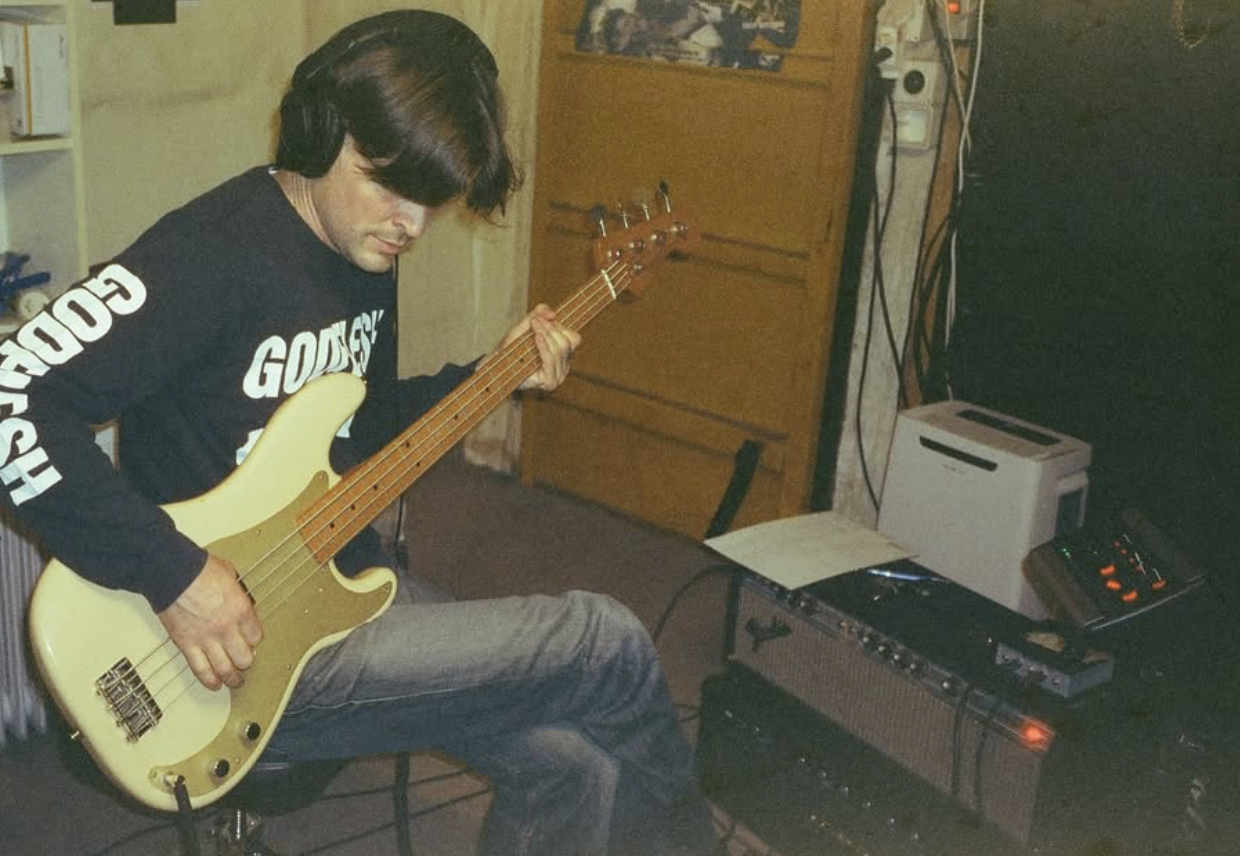
Did your previous recording experiences with other projects help you with the EP?
Absolutely. It also helped that everyone knew their way around their instruments and had a pretty good idea of what they were doing with the possible exception of the vocalist, of course.
We recorded the vocals in two separate sessions, which turned out to be really valuable. It gave us the opportunity to spend more time with the finished instrumental tracks and rethink our approach to certain parts. Looking back, we think that was crucial in shaping how the vocals and ultimately the songs themselves turned out.
What are your thoughts about the final product?
We’re really happy with how it turned out. It was our first proper sign of life as a band, and I think the whole thing feels quite consistent from the songs and the sound to the artwork and the overall presentation.
Looking back, it feels like a pretty accurate snapshot of where MEAN was at that point, and I think that’s exactly what a first release should be.
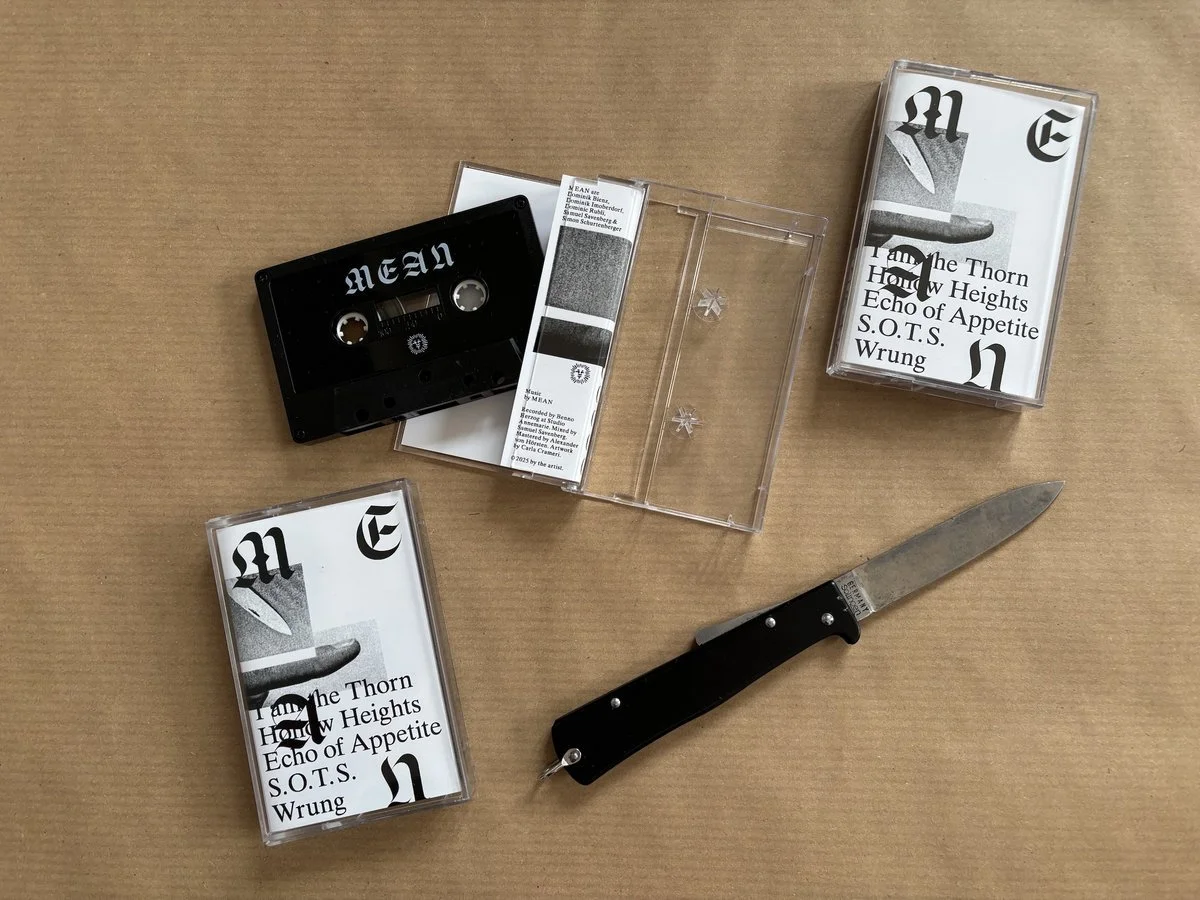
Where did the decision come from to release it on cassette?
We like tapes. And we wanted to put out a physical release without getting ourselves into financial trouble with this first experiment. Maybe we could have sold a 7-inch as well, but the financial risk would have been considerably higher. I know that sounds like boring business talk, but at the end of the day, it was a pretty important factor.
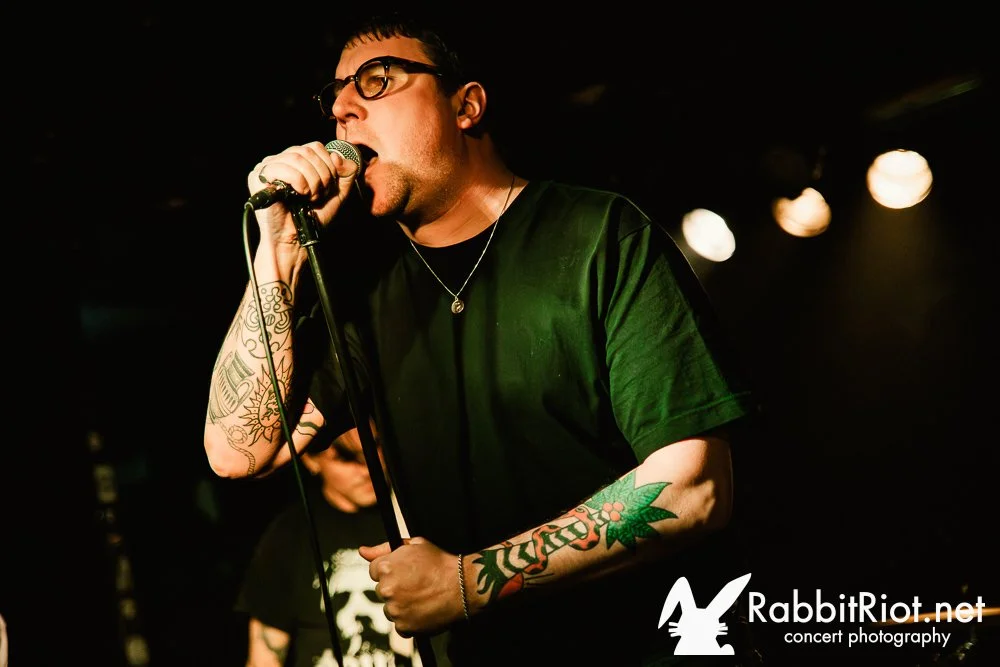
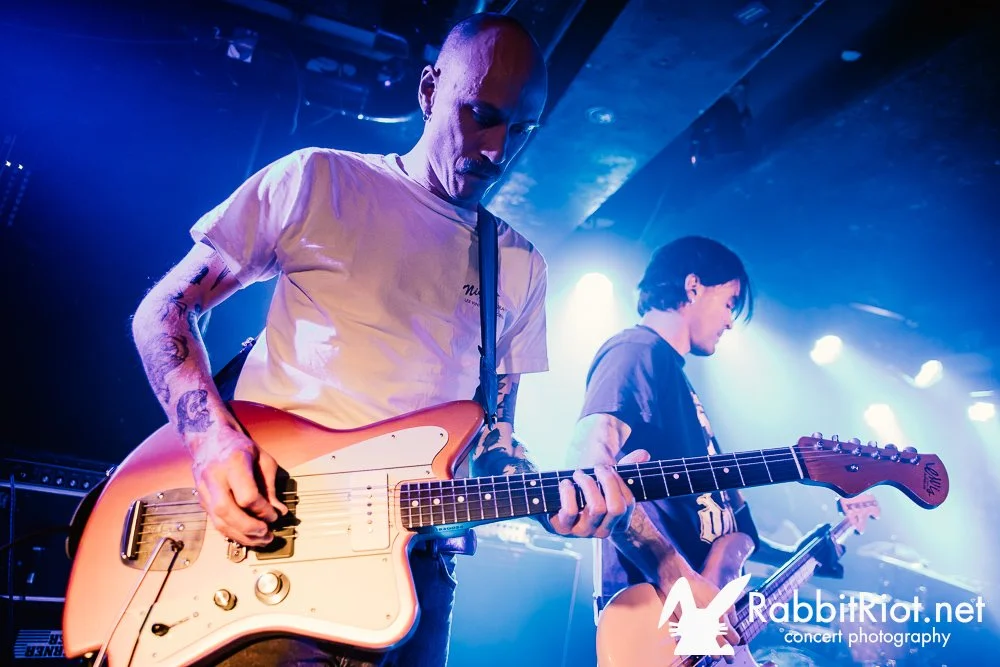
(Photo copyrights: rabbitriot.net)
Live/future/general
How were your concerts in Switzerland in March? How did it feel to play the songs live? How was the feedback?
We were pretty nervous before those shows. We played in Schaffhausen and Lucerne, which were basically our two original home bases, so there were quite a few old friends and familiar faces in the audience as well. That definitely added a bit of extra pressure.
But once we started playing, it felt really good to finally bring the songs to a live setting. Everything went pretty smoothly, the response was positive, and overall we came away from those shows very happy. So really, there’s not much to complain about.
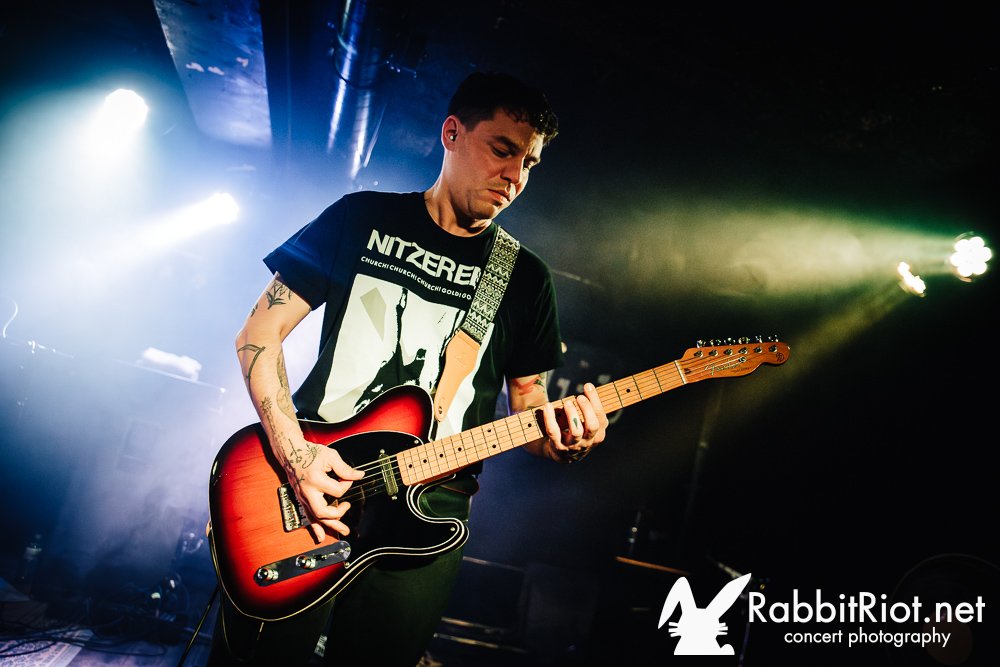
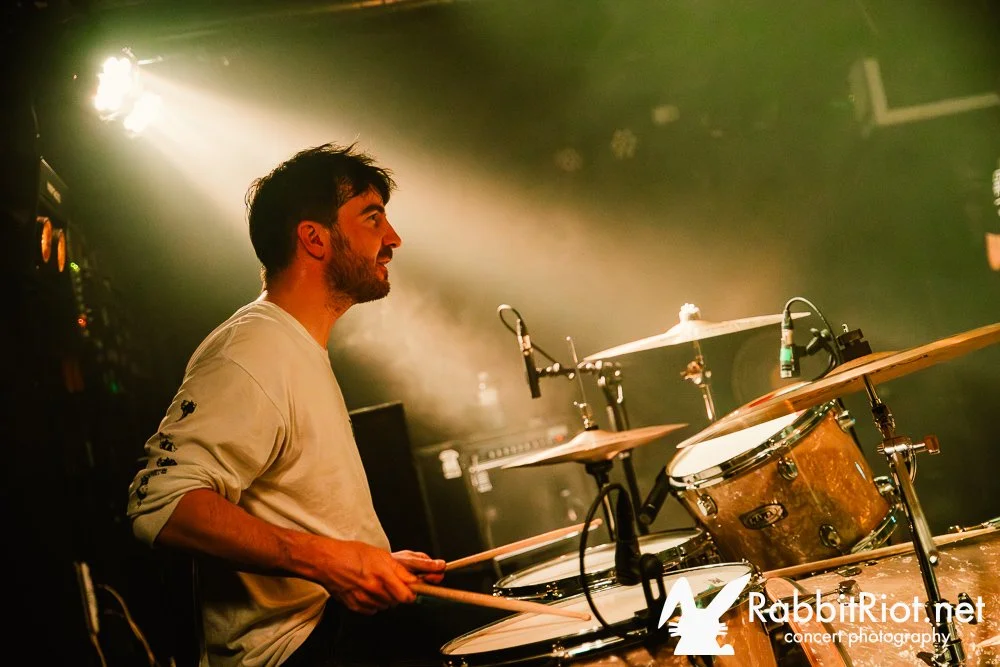
(Photo copyrights: rabbitriot.net)
What are your memories of your shows in Germany in May and June?
Those shows were a lot of fun. We got to play with great bands like Splizz and Wedding Songs, and it was especially nice to play in front of people who had never heard of us before.
Compared to the shows in Switzerland, where there were a lot of familiar faces in the crowd, that felt quite different in a really good way. The audiences in Germany were also noticeably younger, and it’s always great to see that the music can connect with people across different generations.
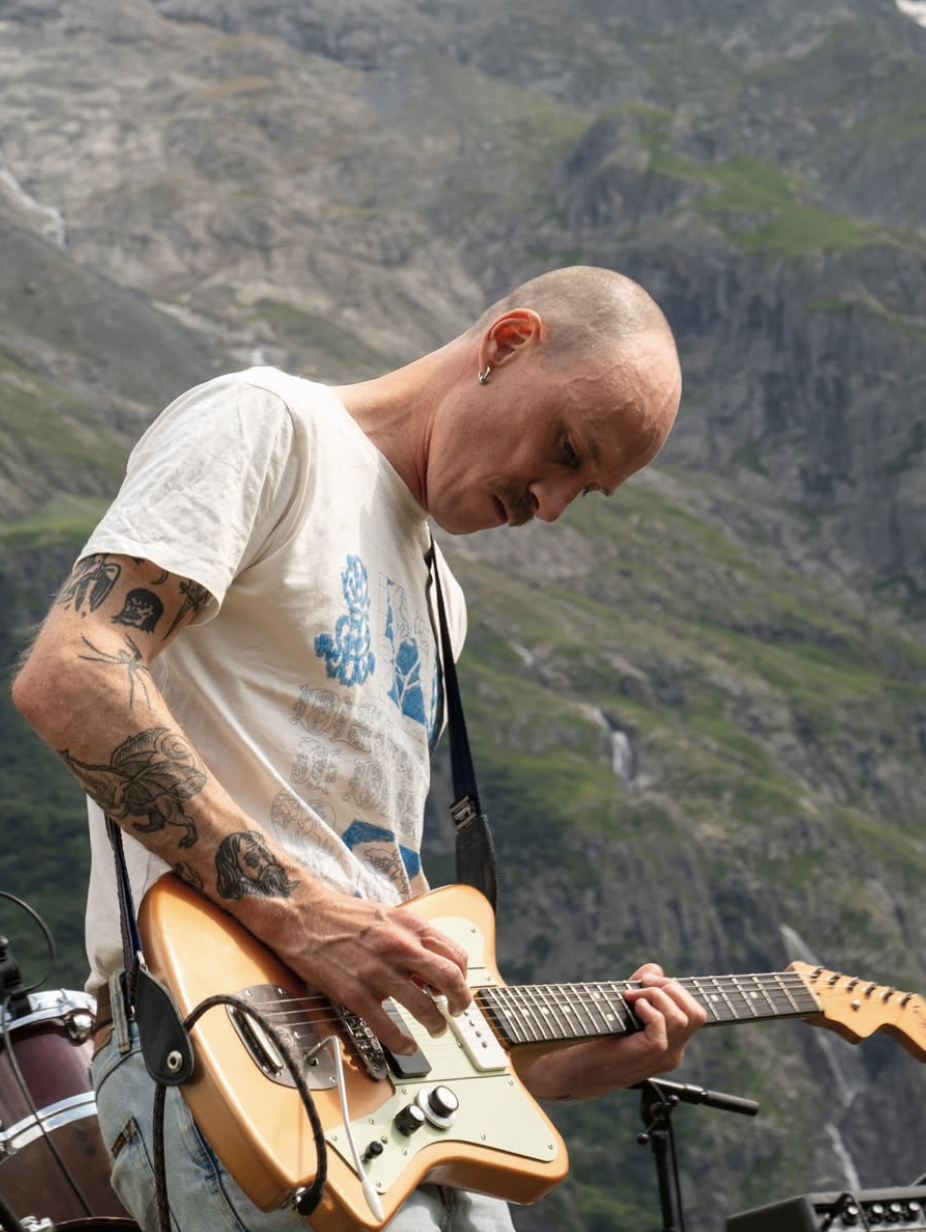
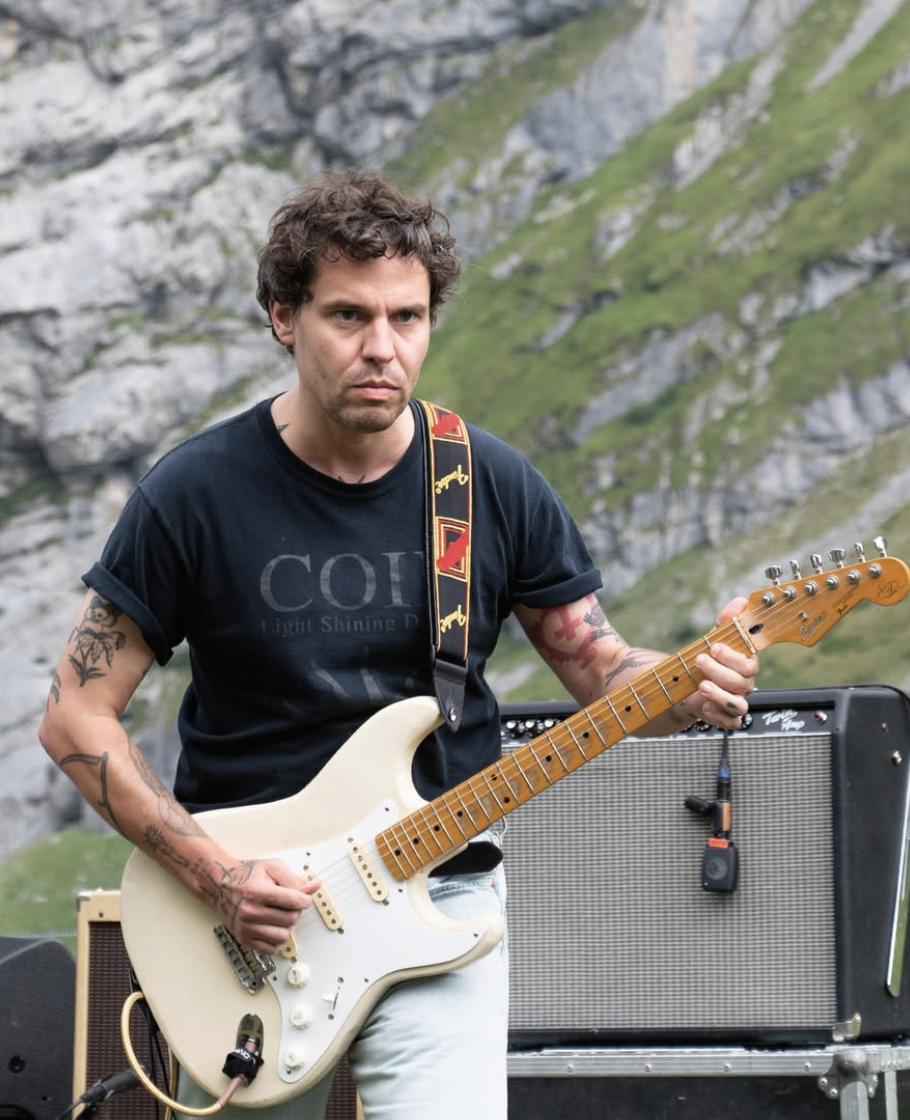
(Photo copyrights: emmaambauen, Hannah Bucher)
How was your experience at Jardin Bizarre? What was it like to play at an open air concert with MEAN?
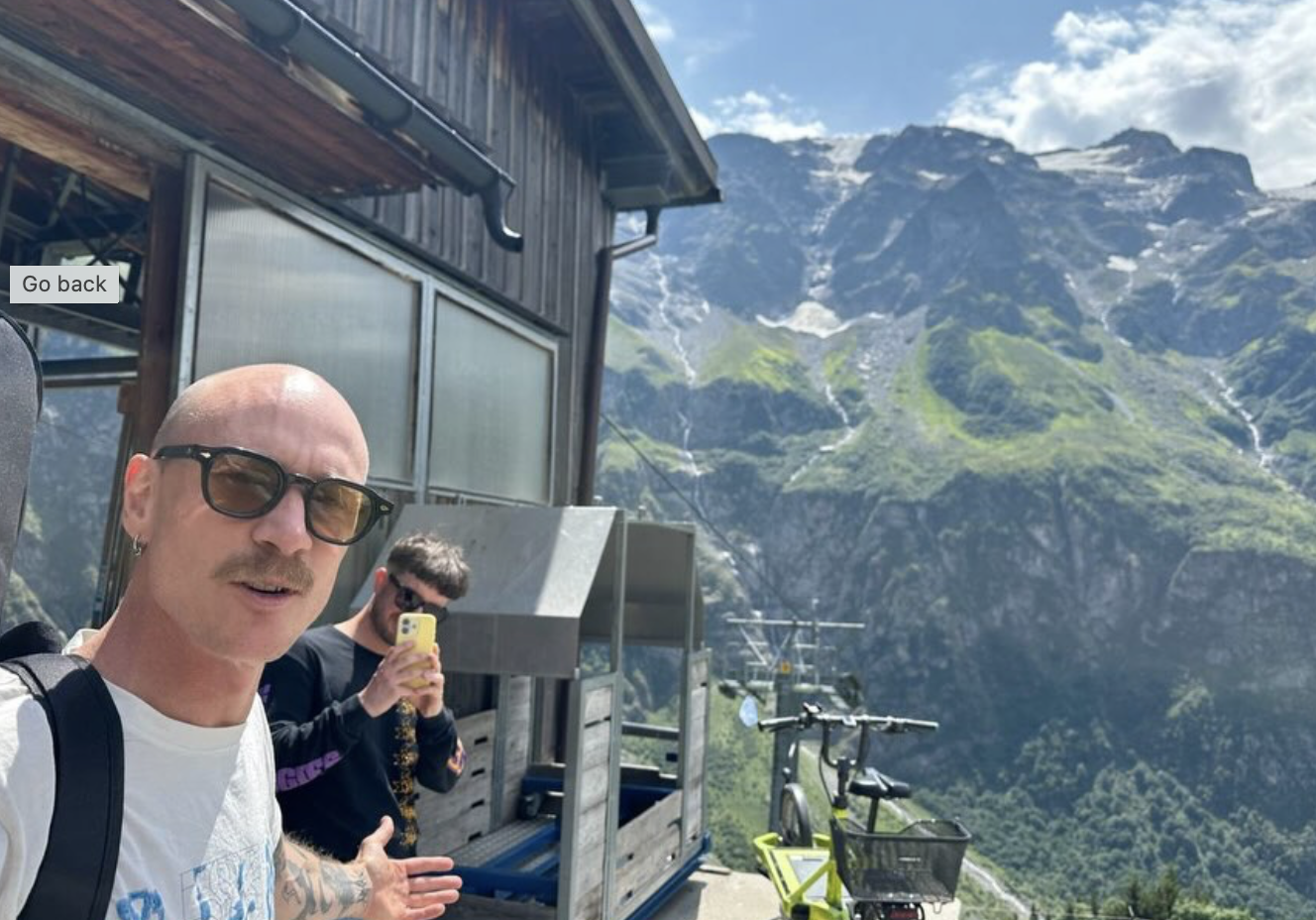
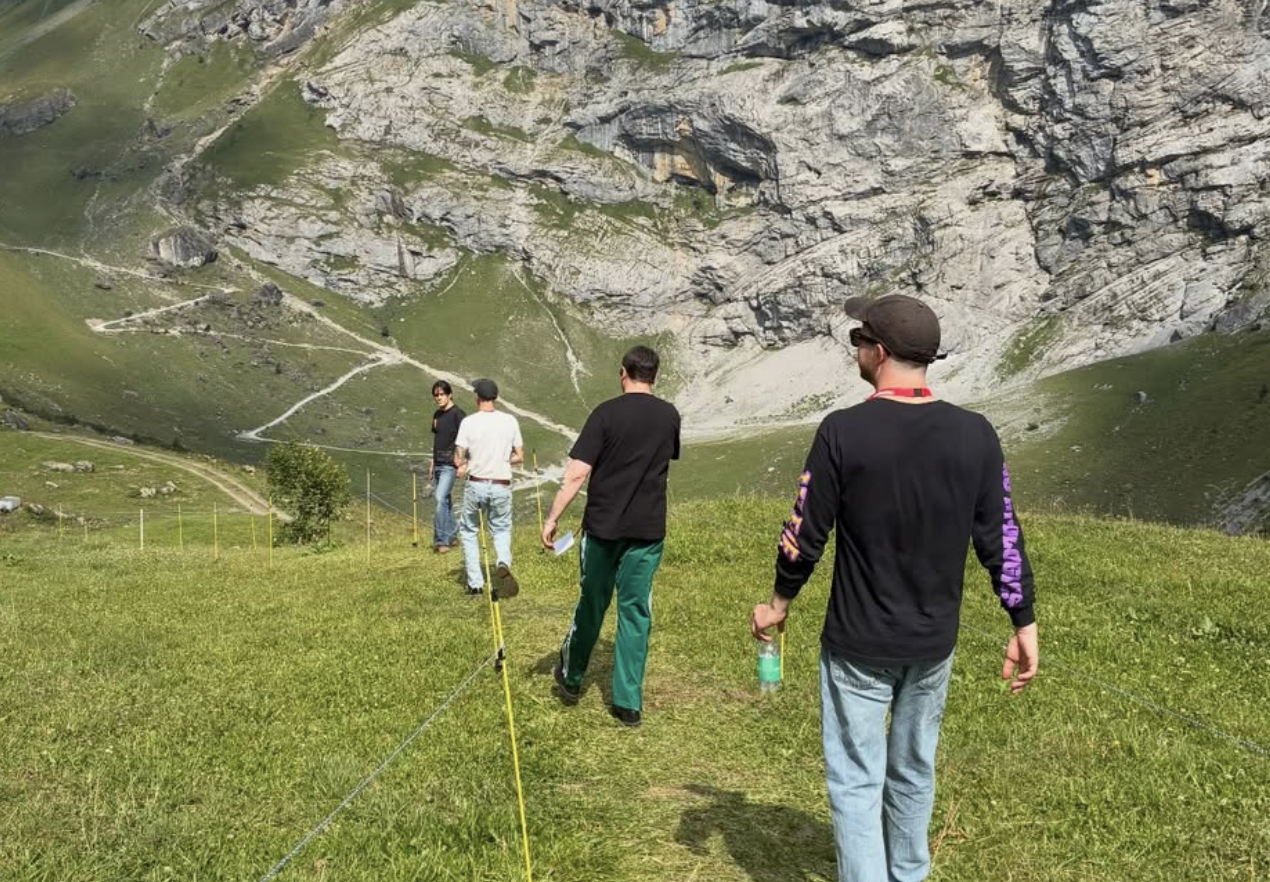
It was probably one of the best live experiences any of us have had across all the different bands and projects we’ve been involved in. The setting was absolutely incredible, and the whole team did an amazing job.
There was something very special about the atmosphere, and the whole trip almost felt like a mix between a company outing and group therapy in the best possible way.
Big shoutout to the Jardin Bizarre team for making it such a memorable experience.
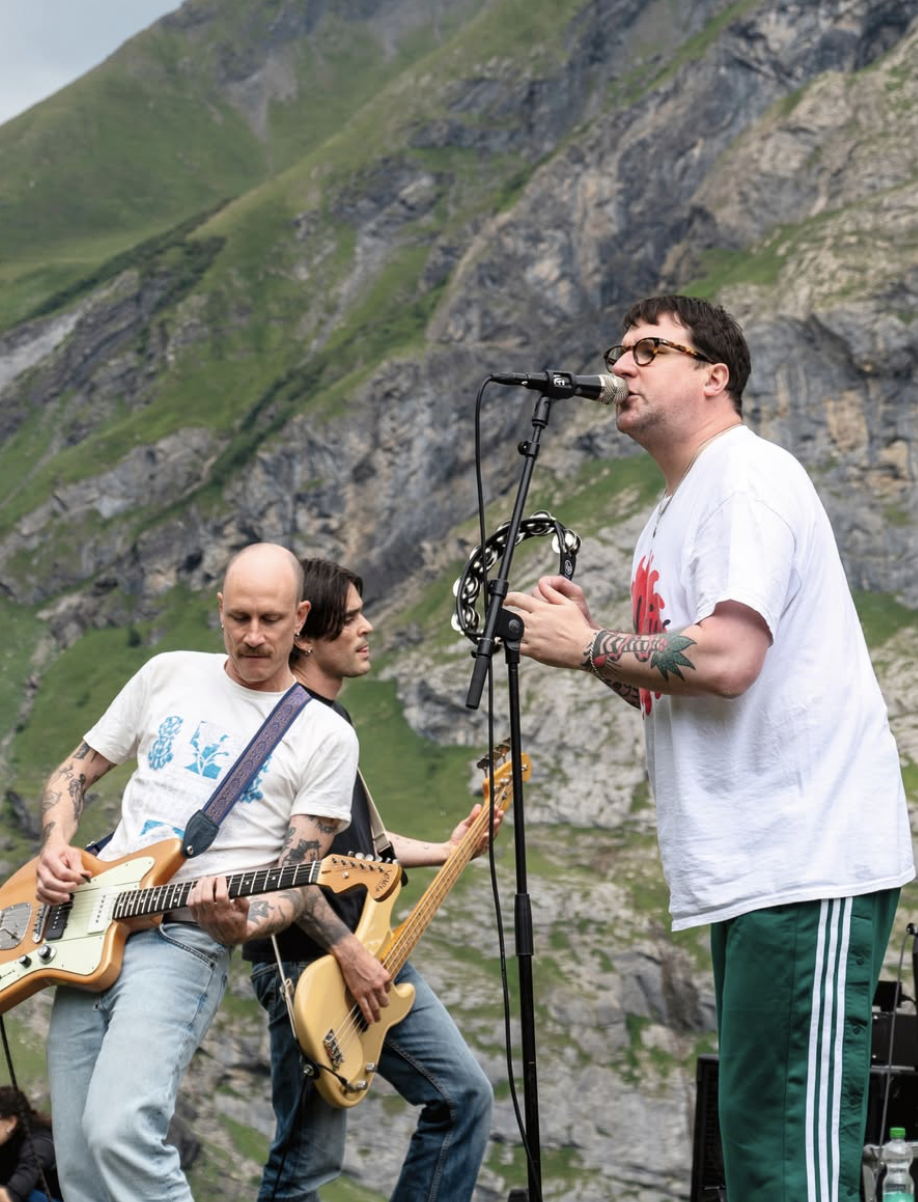
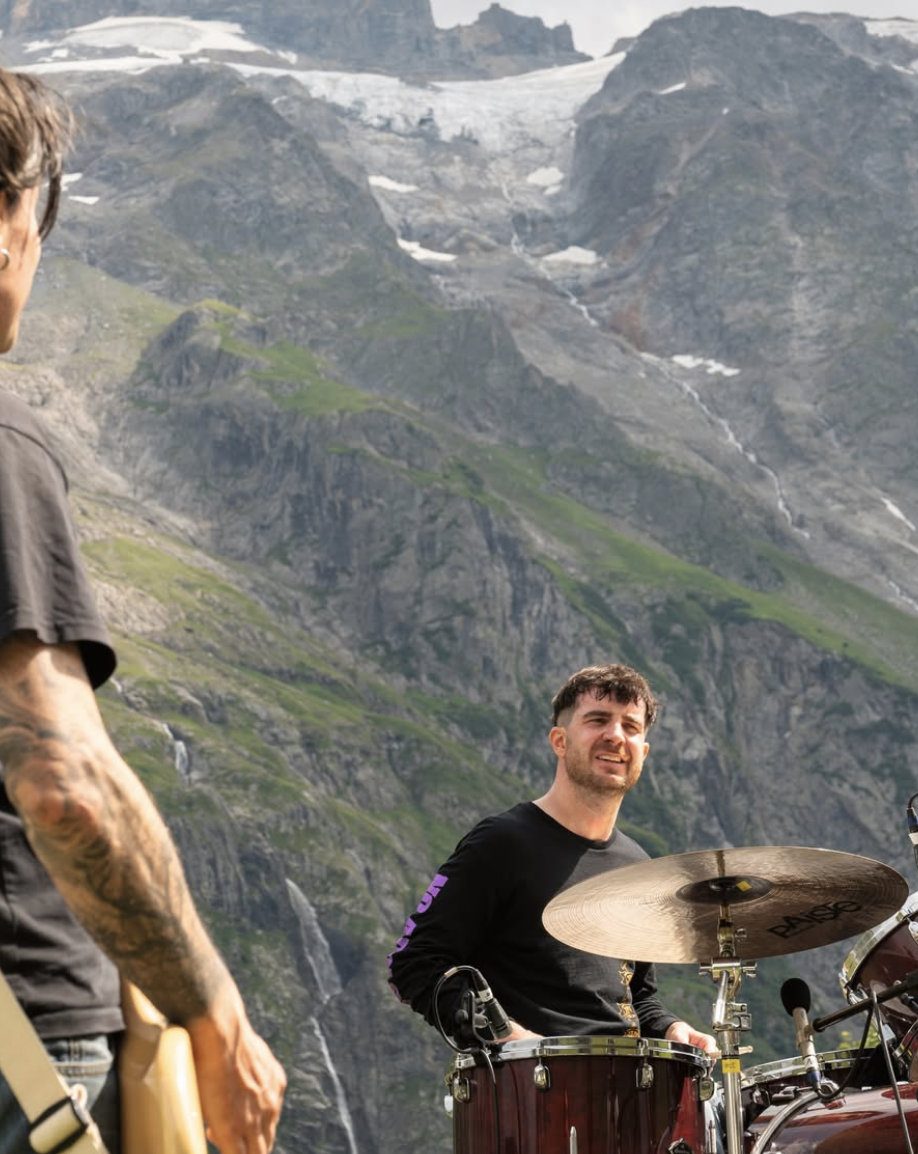
(Photo copyrights: emmaambauen, Hannah Bucher)
Which other songs did you play? Would they be released in the near future?
We try to keep our live set short and punchy, but yes, we needed a few more songs than the ones on the EP for the shows. So we’ve already been playing a couple of new tracks, and we’ll most likely record and release them next year.
We also covered Bloodstains by Agent Orange, simply because it fits the set really well – and because it’s a certified banger.
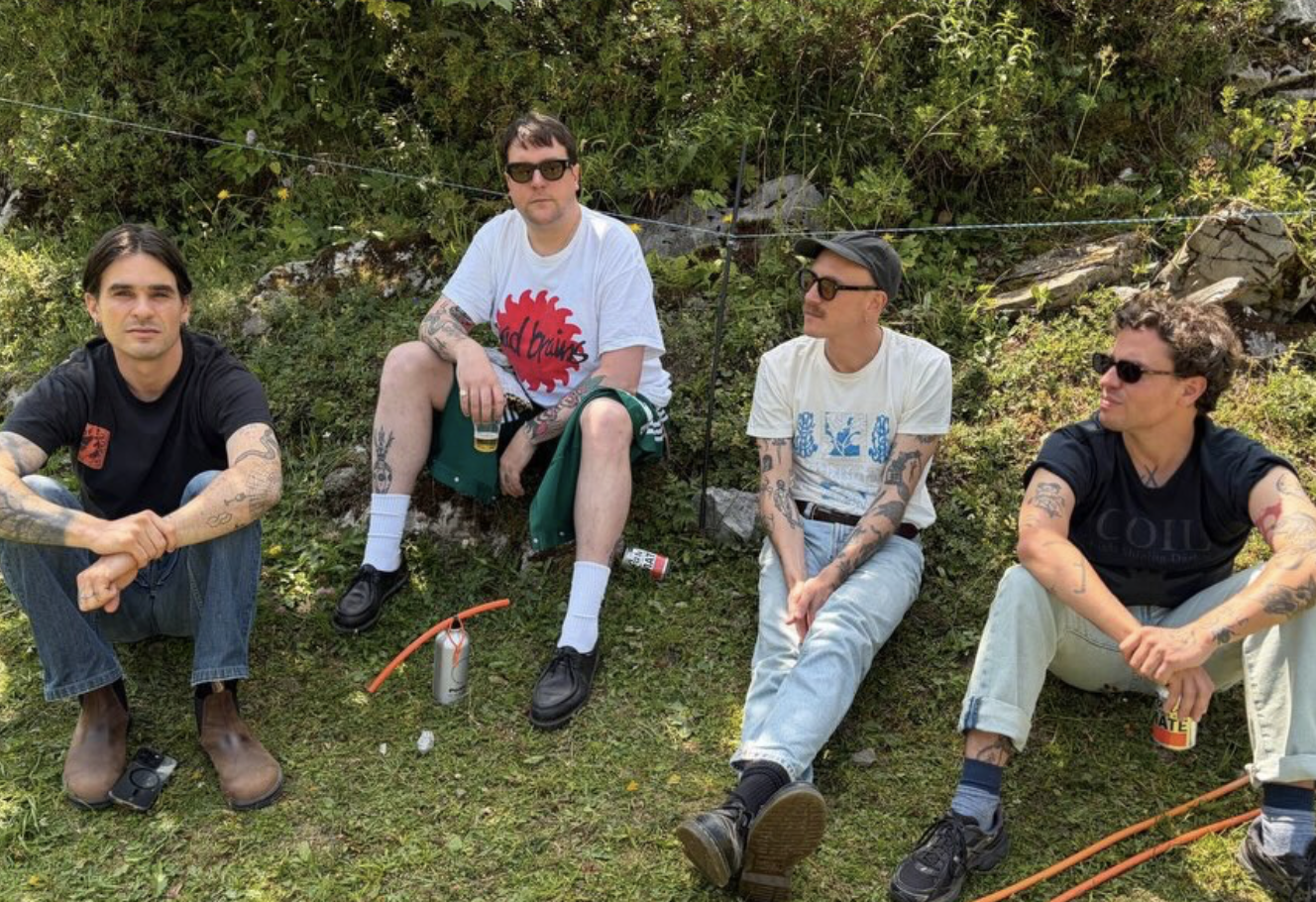
What do you have planned for the near future?
At the moment, we only have one show lined up: the Echolot Festival in Lucerne at the end of October.
As I mentioned, we’re spread across several cities, all involved in other musical projects and, unfortunately, still have to work on the side as well. So time is a pretty limited resource for us. We only have a handful of free weekends throughout the year, and we often have to decide whether to spend them playing shows or rehearsing and writing new music.
Right now, the focus is definitely on new songs. We’re working towards recording and releasing an album next year, so that will probably take up a good part of the time we have available.
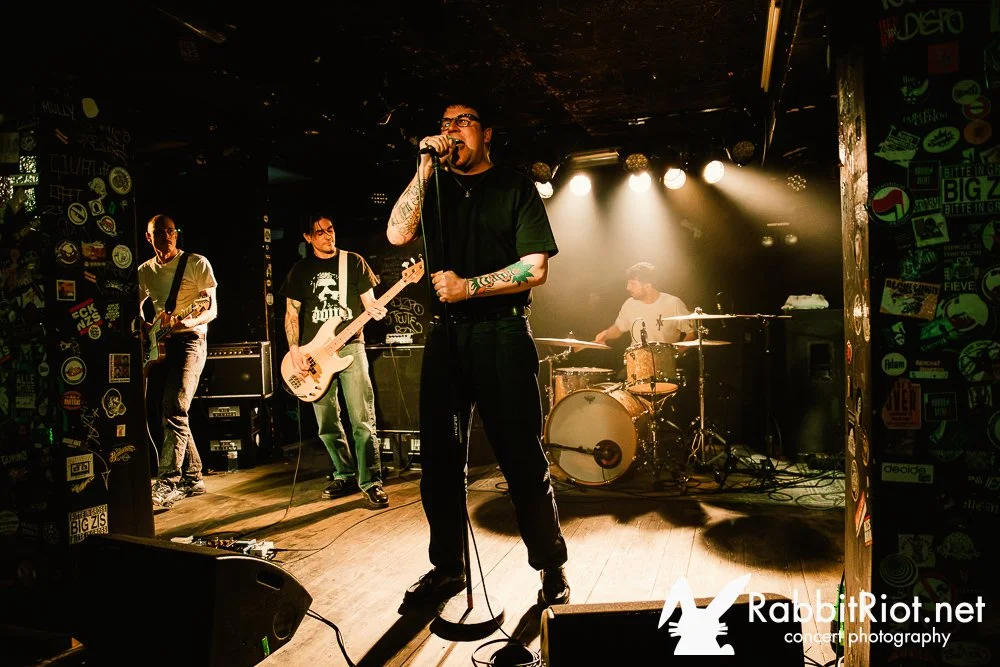
(Photo copyright: rabbitriot.net)
What are your thoughts about the music scene in Switzerland?
Well, we love Celtic Frost.
Anything else you would like to add?
Thank you so much for reaching out. We really appreciate it, and we really appreciate the work you’re doing with Reverb Dream in general.
And if anyone wants to book us, feel free to get in touch. Our schedules can be a bit tricky, but we’ll always do our best to make something work. We promise.
Links:
Related articles: