
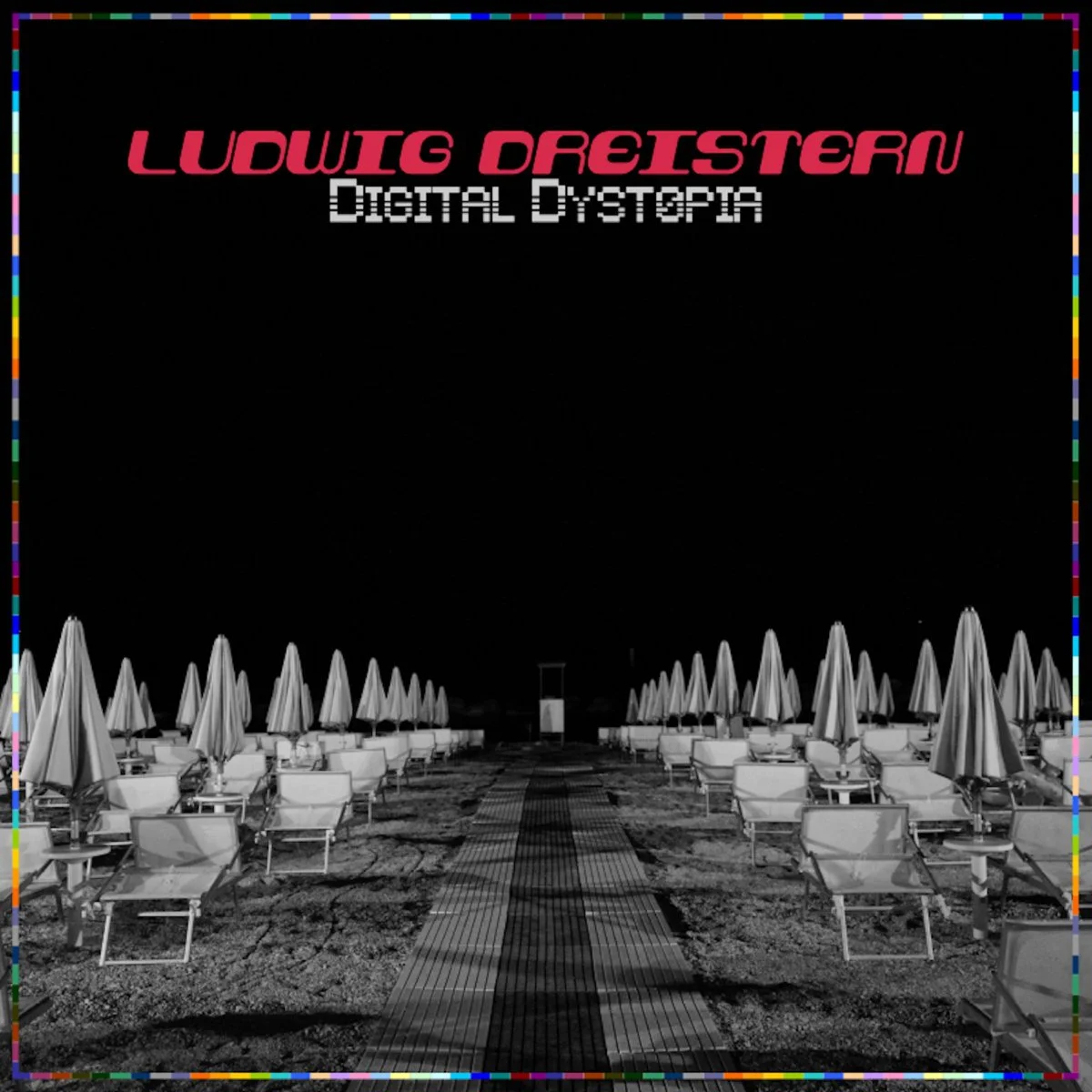
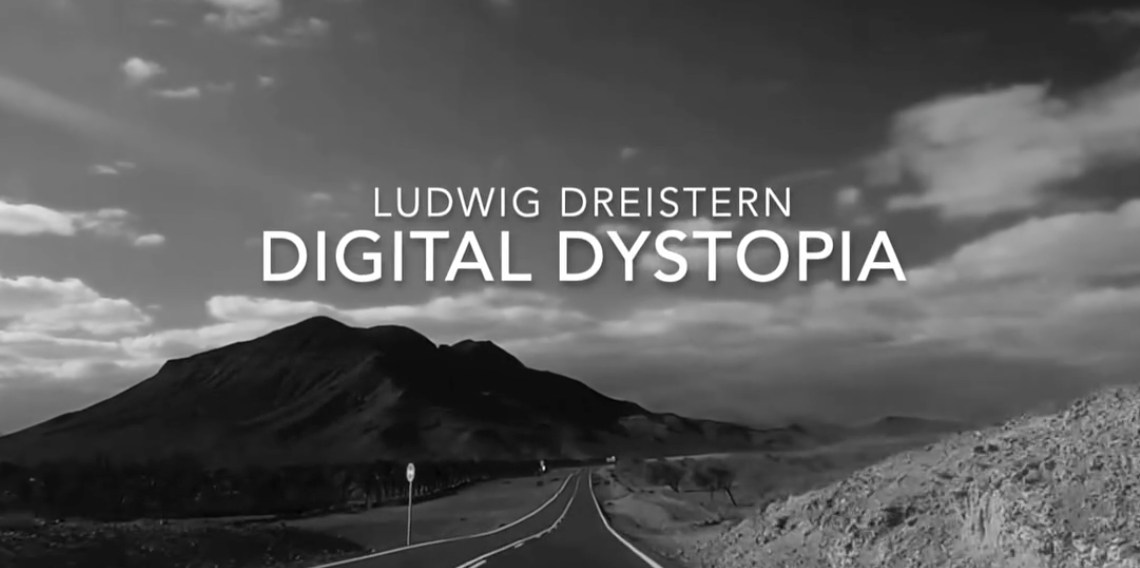
One of my favourite recommendations towards the end of 2025 is definitely the album Digital Dystopia by Ludwig Dreistern. Released on the unfortunately now-defunct label, Ikarus Records, it is a concept album about the impact of technology on modern day life.
I found myself listening to the album a lot during the Winter holidays - I was really impressed by the arrangements, the melodies and the vocals, at times it feels effortlessly laid-back and catchy, leaving me with an ear worm or two for days. For the Winter 2025 Playlist, I was torn between Fairy Wren and Who Do You Think You Are before settling for the former. Across the album, there is the feeling of some influences such as the Dandy Warhols, Nine Inch Nails or David Bowie but Ludwig Dreistern has carved out his own unique sound.
The discovery of this album let me to go through the rest of his discography and it didn’t take too long to be won over by the debut EP, Radiation, and the single, Tennisklub, the only song not in English but in Swiss German.
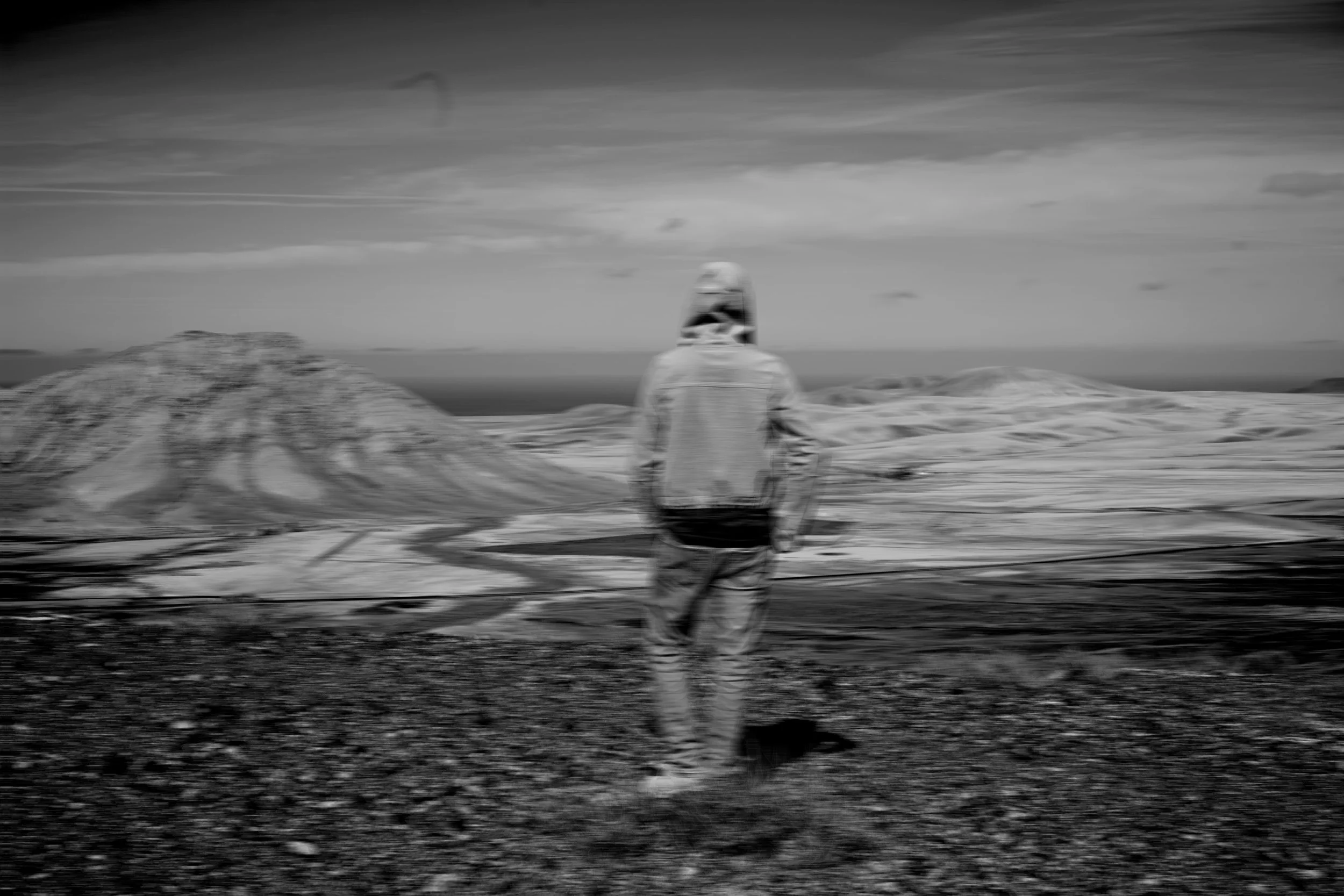
In this interview we will find out more about Ludwig Dreistern’s background, approach to composing and more about the history of Digital Dystopia and its concept (amongst other topics). I would like to thank him for his replies!
History
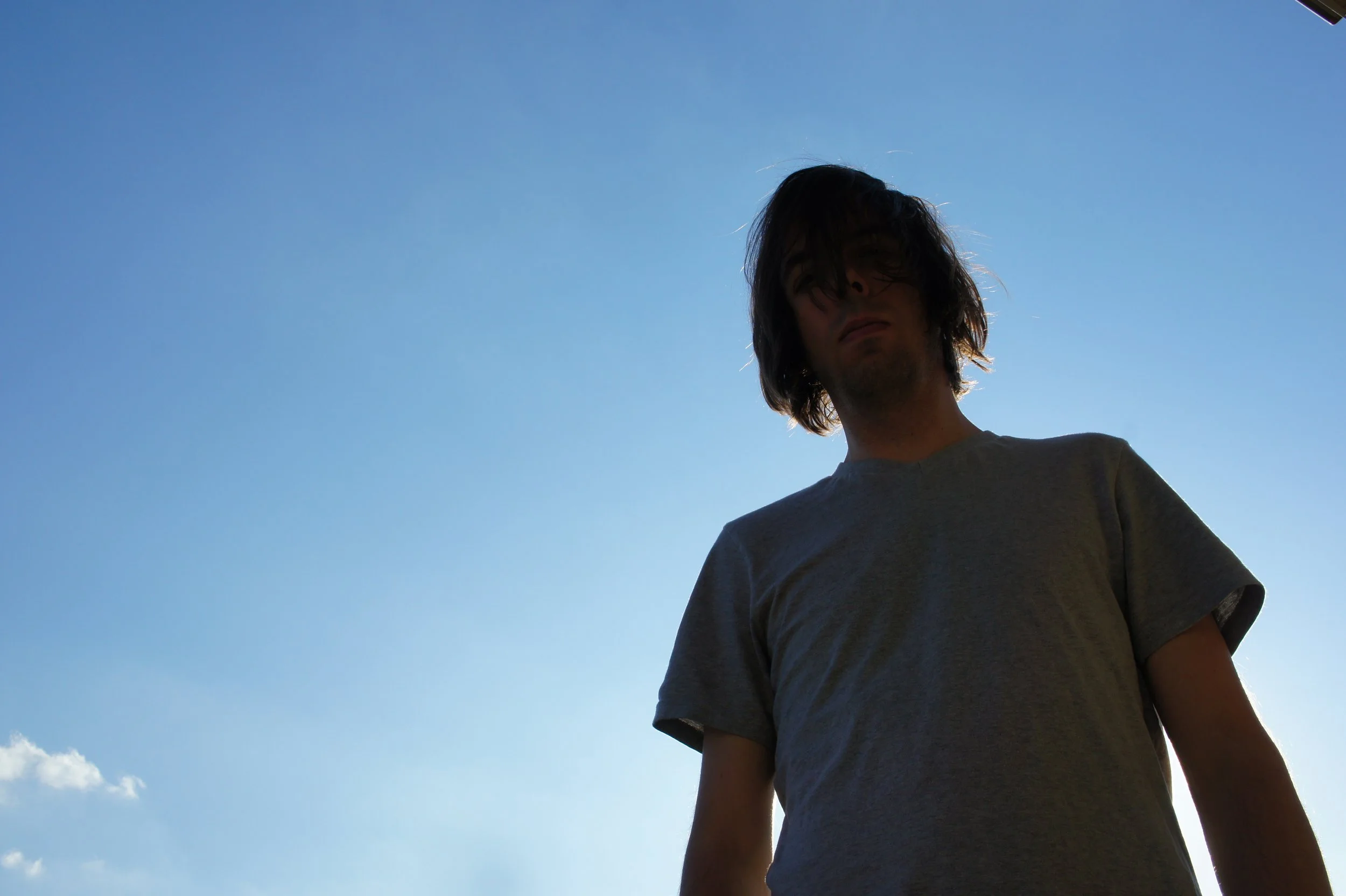
Tell us about your background (musical background, etc)
I grew up with Led Zeppelin, King Crimson and Italian music being played at home. In 4th grade, I learned to play the classic guitar. In 7th, after some Iron Maiden phase, I discovered Nirvana, which convinced me to buy an electric guitar and form my first band. Now I listen to all kinds of music. Fabrizio de André, The Gun Club, Timber Timbre.
You've also been quite active on the scene over the last few years, which projects were you in? What were your highlights in being in those bands?
Before I started Borderline Symphony, I played in some Ikarus Records bands. That was decibels, alcohol and more. We had joy, we had fun. Also because we didn’t take ourselves so seriously. We didn’t even want to have well recorded songs. It was punk. Some backflash to that times offered me the The Circle Brothers, where I played the guitar for some time. You never knew how a gig could end.
Where did the idea come from to create the Ludwig Dreistern project? What was your aim when you started the project?
The pandemic ended all. So I had plenty of time and started to record. It was then that I became nostalgic for the Nineties. But this time I wanted to focus more on recording and sounds aesthetics.
What did you learn from your previous projects that you kept in mind for Ludwig Dreistern?
I learned to write better, to make it more authentic, to play with dissonant elements. I still didn’t want to avoid the hook, but in a way that it doesn't spoil. And I have learned some mixing tricks. I love the process of recording, mixing, and producing.
Which influences (musically and non-musically) do you have for this project? How would you describe it in your own terms?
It was the romantic idea of a much more exciting world without the internet. Digital life is making our lives boring and predictable. From the technical side, I was using som new effects that imitate used tapes, VHS, etc.
Tell us about the writing and recording of the Radiation EP.
These were just songs I was carrying around. But from one day to another I decided to book some studio days and drove down to Emilia Romagna in foggy autumn.
What are your memories of it?
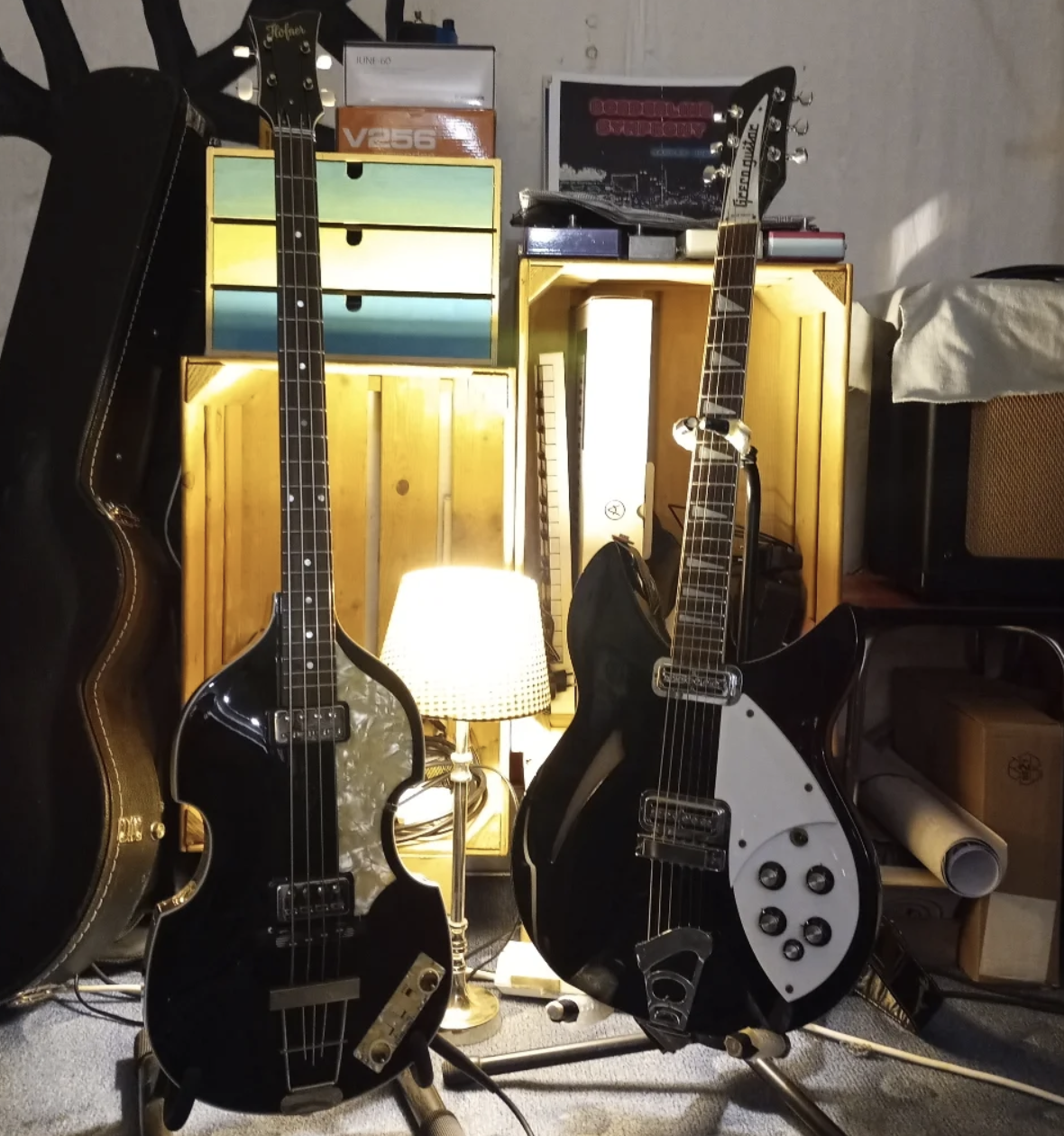
I remember having used a very old Fender Super Reverb, which sounded much better than a Twin Reverb – sorry, dear Twin fans! I still love that guitar sound in Dopamine Pop. In the evenings I was eating out like on a holiday.
What do you think of the EP today?
I still like the songs, though some of them were played a bit shitty. They would have deserved to be recorded better. I took some wrong decisions. But if someone is too satisfied with his work, something is wrong.
Digital Dystopia
How did you approach the writing of the album? What had you learnt from Radiation?
Most of the songs were around, but needed lyrics. After having watched a documentary about The Cure’s Disintegration I came across the beautiful concept of things falling apart. The digitalization craze seemed perfect for this and was easy to combine with the biggest desire that all of my friends have: Bringing back the Nineties! There hasn’t been a more carefree time in-between the fall of the Berlin wall and 9/11. Also, because at that time the internet was almost inexistent. Fairy Wren was the result of that thoughts to create, attention, power word: anti-digitization pop. From Radiation I learnt that I wanted the songs to be more direct, to be produced fatter.
Did you have the theme first or did you notice a connection between the songs as they were being written?
Both. First there were the melodies. I am old-fashioned in terms of putting a lot of effort into harmonies and bridges. As Sting said, nobody composes bridges anymore – but the bridge is therapy! Secondly, as there were some outtakes, I selected the ones that fit best to the album.
How would you describe the concept of Digital Dystopia? Where did the inspiration come from?
The inspiration came from everyday life. Our social life is being destroyed by Silicon Valley technology step by step. These people claim that they would have the solution for every problem, providing us apps that create even bigger problems. It’s not even just about surveillance, data and all the emissions AI is creating. It’s about destroying our social interactions, affecting our brains, and transforming our cities into socially dead zones. We should blow up Silcon Valley like in «Kraft», the novel from Jonas Lüscher.
Tell us a bit about your approach to composing the songs. Are they written mainly on synths? How do you layer the tracks with other instruments and melodies?
The basic melodies were composed on classic guitar as a pilot track. I wanted to create vocal lines that can be listened to also after having heard them twenty times. It’s a thing that nowadays is not relevant and not recognized as a quality anymore. But it’s one of the most important things in music. Many songs were created while recording. I am trying out things by recording overdub after overdub just to delete everything again and start again.
The songs were written over 2-3 years, what memories do you have of the song-writing and the evolution of the songs?
Usually I’m playing new songs a hundred times to optimize them step by step. But the theme of Nature Analphabetism sprang right into my head after having seen the Morricone biopic in the cinema. Maybe I have stolen that melody unconsciously! What struck me, was how Morricone created a powerful melodie out of nothing. Two, three notes, and it worked perfectly. A bit different was Who Do You Think You Are, which I firstly composed as an indie song. But since there are too many indie songs, I tried to put it into a different clothing. A Waltz synth orgy with special delays and polytune effects.
Where did the idea come from to re-record Linda from your debut double A single, New Oddity / Linda?
I was not satisfied with the recording, which I did at home. But since I still like song, I wanted to re-record some tracks and mix it in a professional setting.
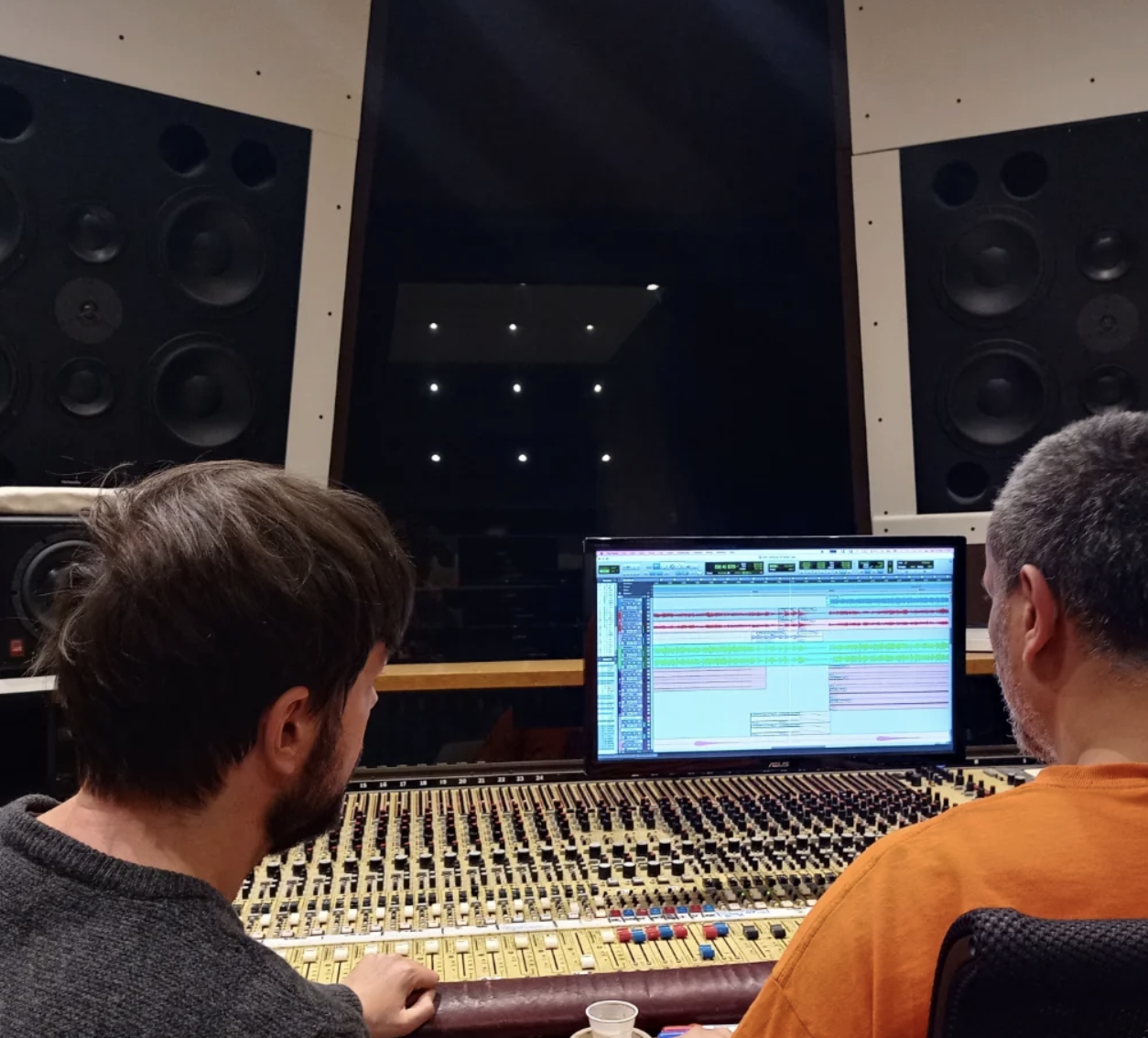
Like the singles and Radiation, Digital Dystopia was mixed and mastered in Ravenna (Italy). How did you choose Duna Studio? How involved were you with the mixing process?
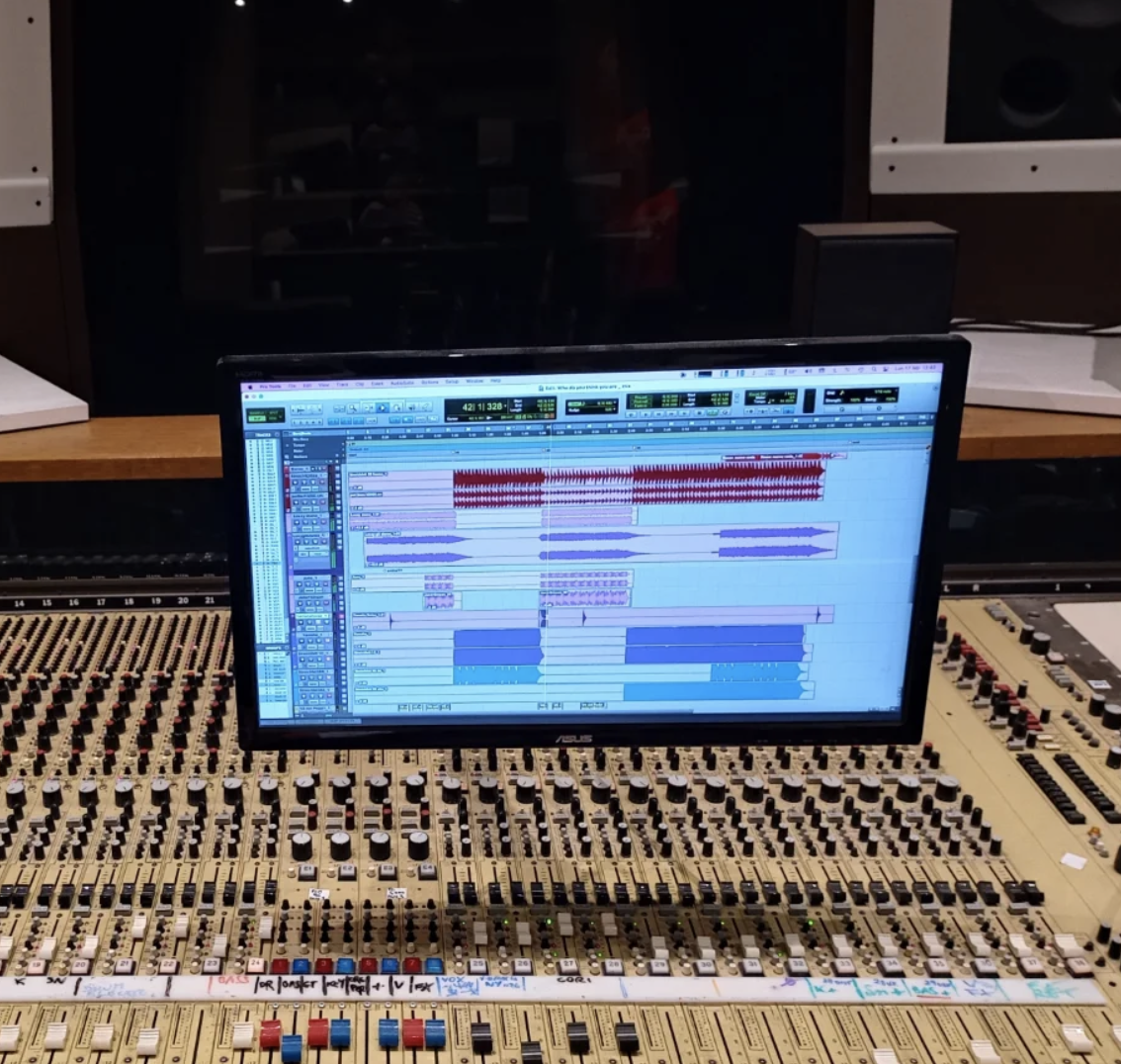
I have been several times there, I love the place. Andrea is a very honest and purist sound engineer with a barn full of vintage amps. We have mixed the album together using thousands of tape echoes and eating cappelletti!
What are your thoughts of the final product?
It came out pretty good. Though nowadays’ mastering conventions are ruining a lot as well as the downsizing by the streaming platforms. There’ no better thing than listening to an unmastered record sounding out of studio speakers!
Future/live/general
How has the album been received?
It was played on more that ten radio stations, which is good for an amateur like me. For the rest, music is dead.
What feedback have you liked the most so far about the album?
A friend of mine printed stickers with the cover on it. She did it without telling me. In fact, I am very proud of the cover artwork.
It seems that you've gotten a lot of airplay in Switzerland and in Italy, how does that make you feel?
The idea, that somebody selects a song because she or he thinks the audience might like it too, makes me happy – until I realize that nobody’s listening to radios anymore!
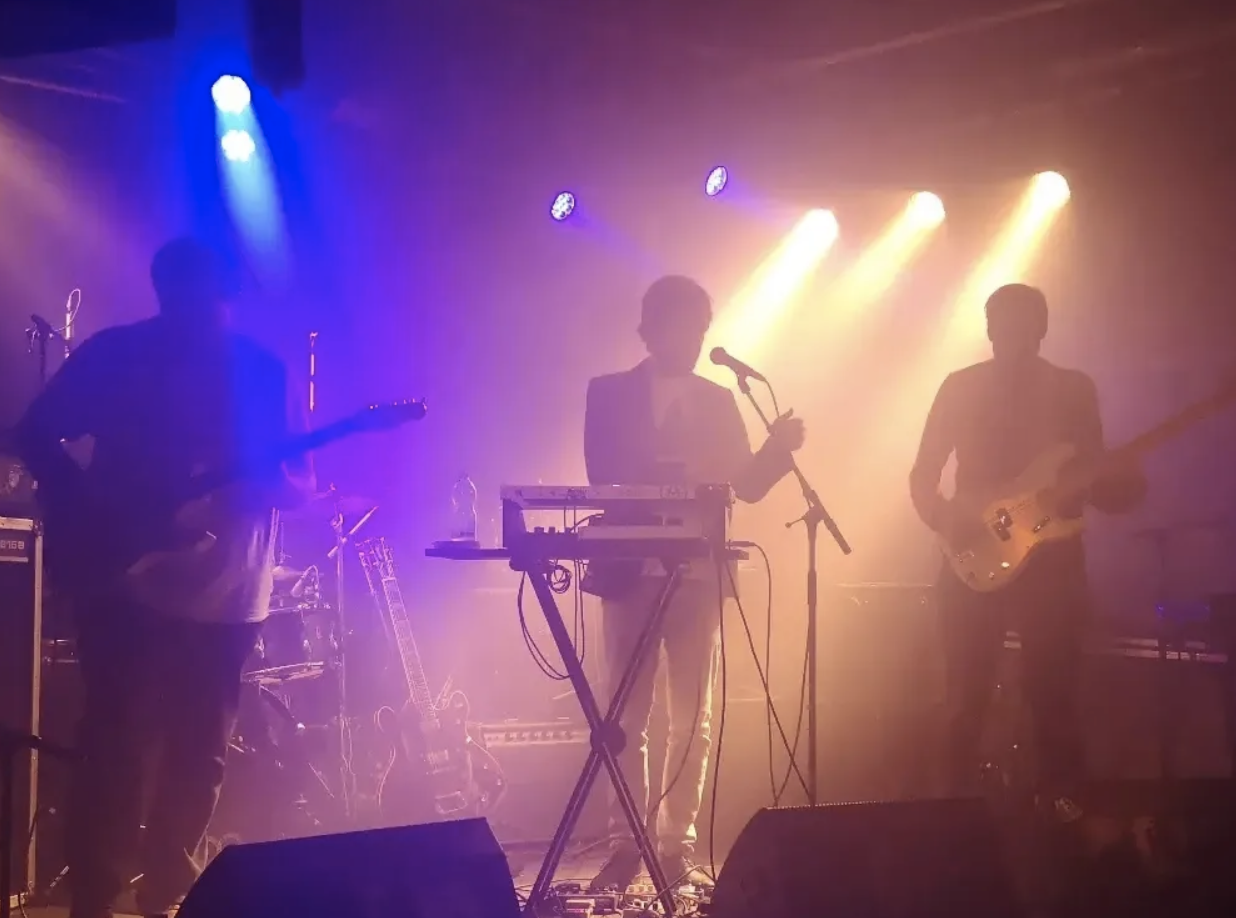
You've played a couple of concerts at Gaswerk and TapTab before Digital Dystopia was released, any plans for live shows in the near future?
Playing the new album live would be too difficult. And nobody is going out to small gigs anymore anyway...
Have you already started thinking about the next direction/songs for Ludwig Dreistern?
I have songs for an EP waiting to be recorded.
Any words about the end of Ikarus Records?
Music is dead. People are going to the gym or walking their dogs on Friday night!
What are your thoughts on the music scene in Switzerland?
I’m a badger in a cave.
Links:
Related articles: