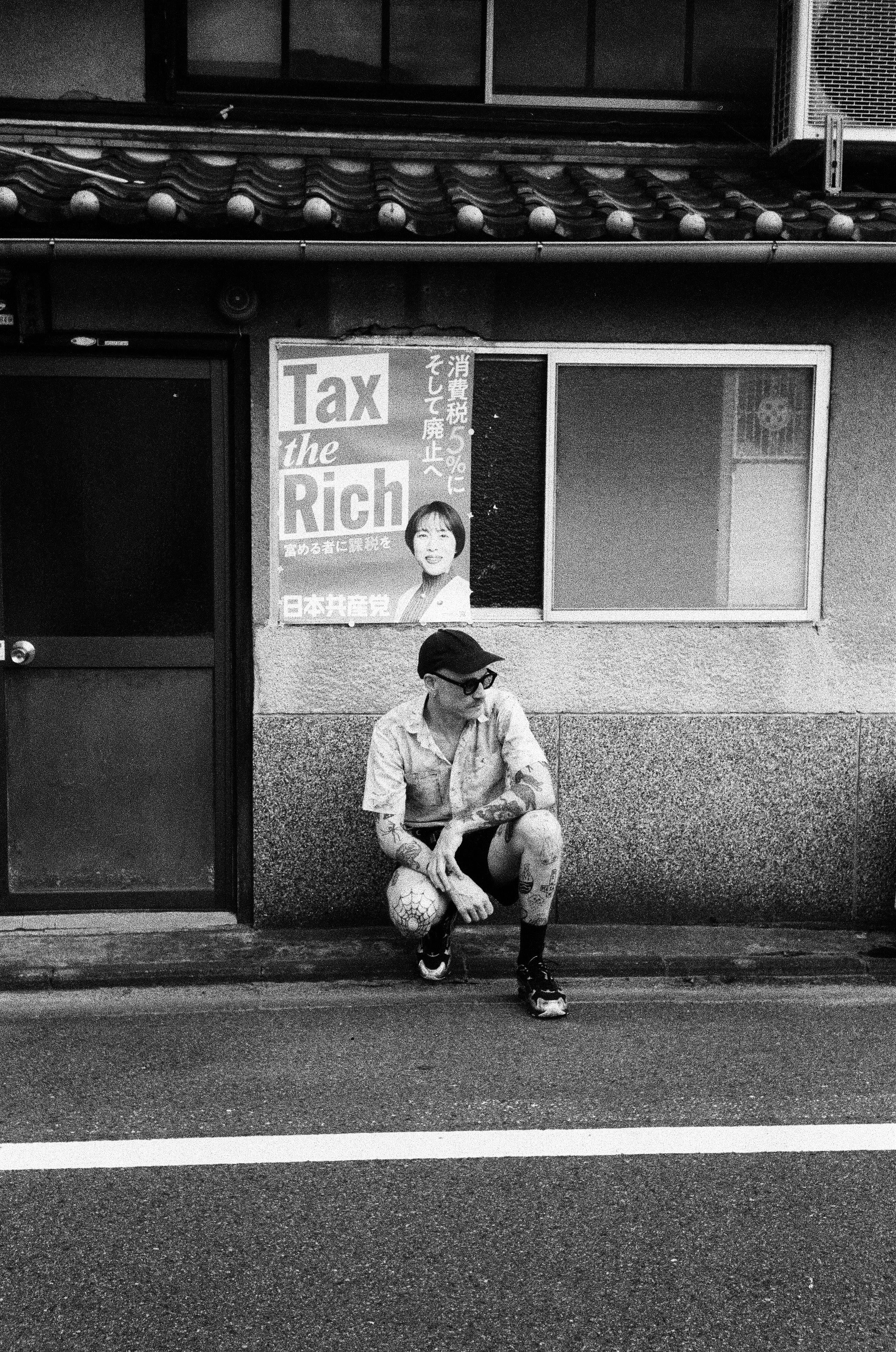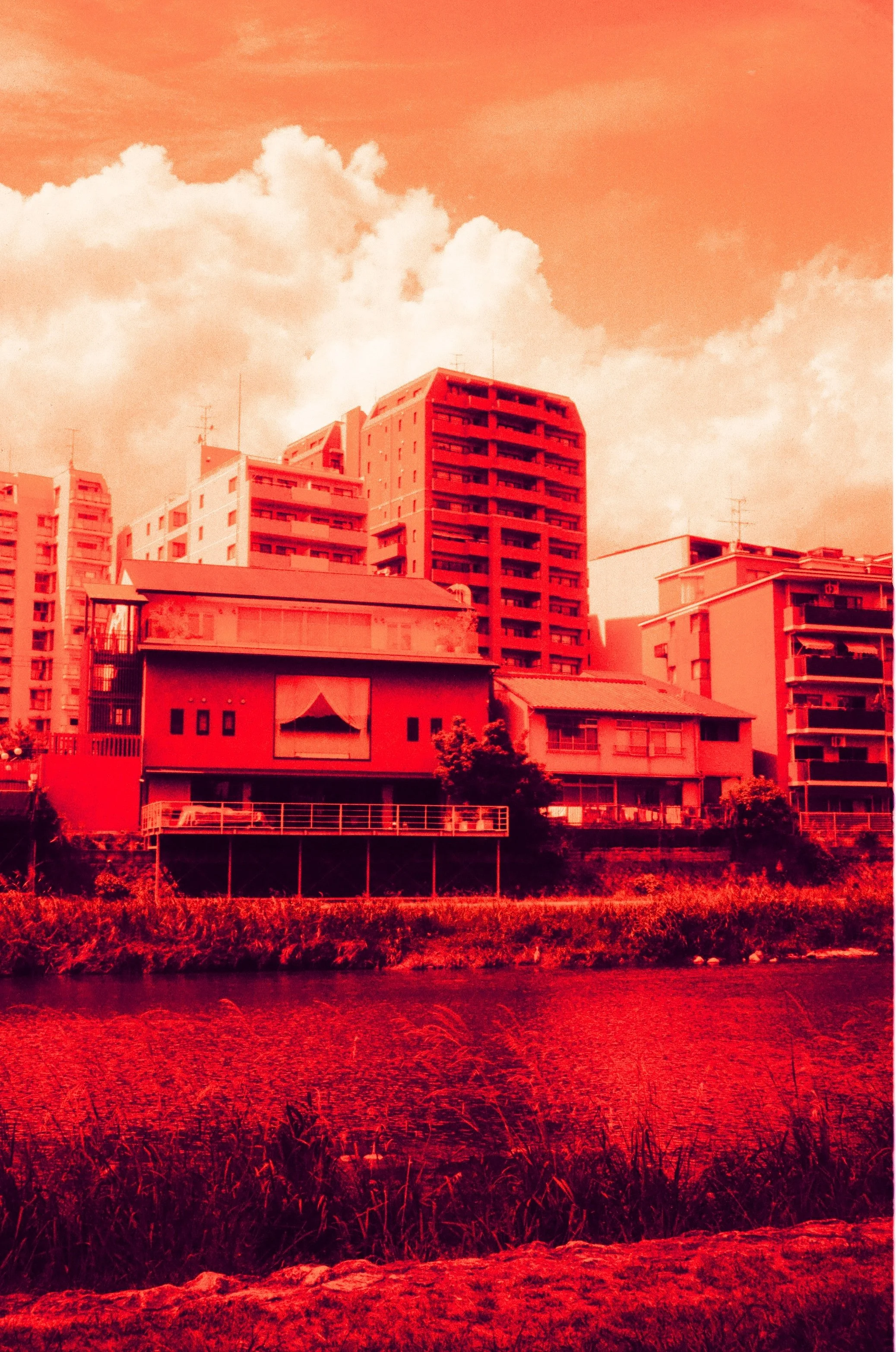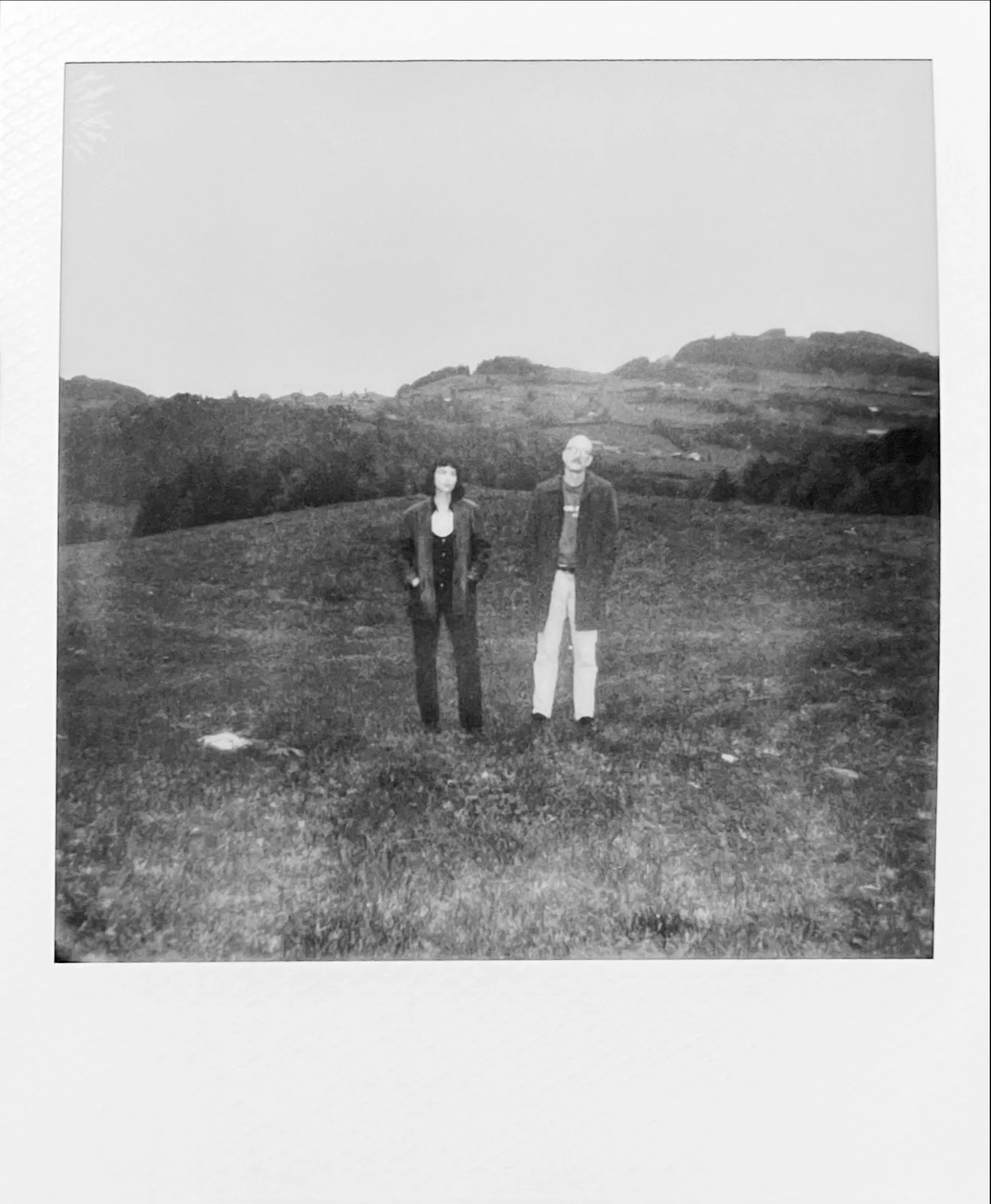
In August of this year, I interviewed ZART about their upcoming tour in Japan. In the article, the duo replied to my questions about the logistics and preparation for their tour taking place on the other side of the planet. It provided a fascinating insight into the required organisation for their shows.
At the time of the article, I had also asked if the band would be interested to write a tour diary as I was also very interested in finding out more about their experience in Japan from the band themselves. I had a slight idea of what I had in mind for a tour diary but when I received what the band wrote and the accompanying photos, I was very happy. It didn’t definitely exceeded all expectations and I really appreciated the style of writing, the thoughts and the approach to the article.
The version of the tour diary below is exactly how I received it (in terms of writing and layout). I would like to thank Svenja and Dominic a lot for this superb tour diary!
TOKYO - QUIETNESS
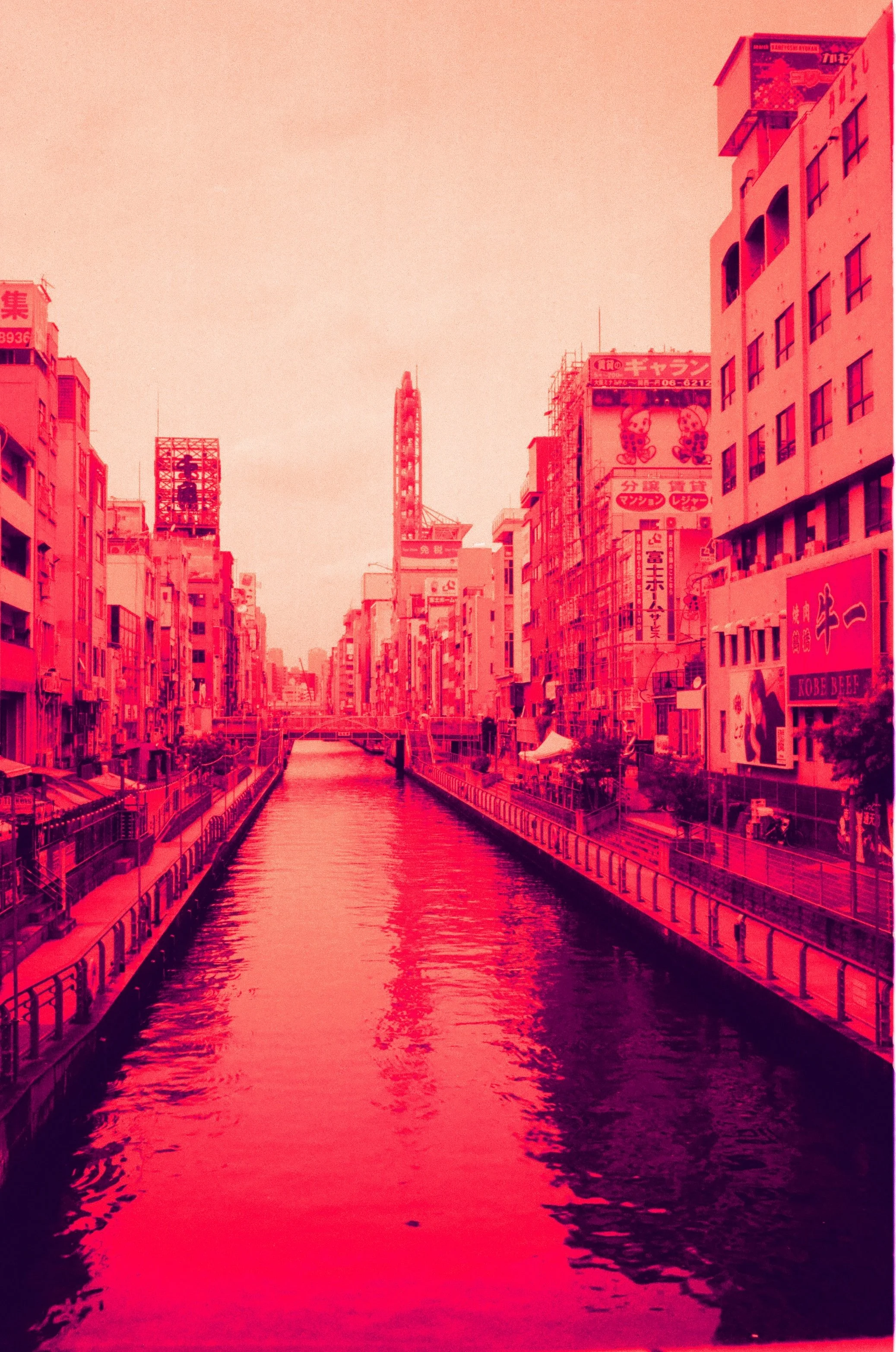
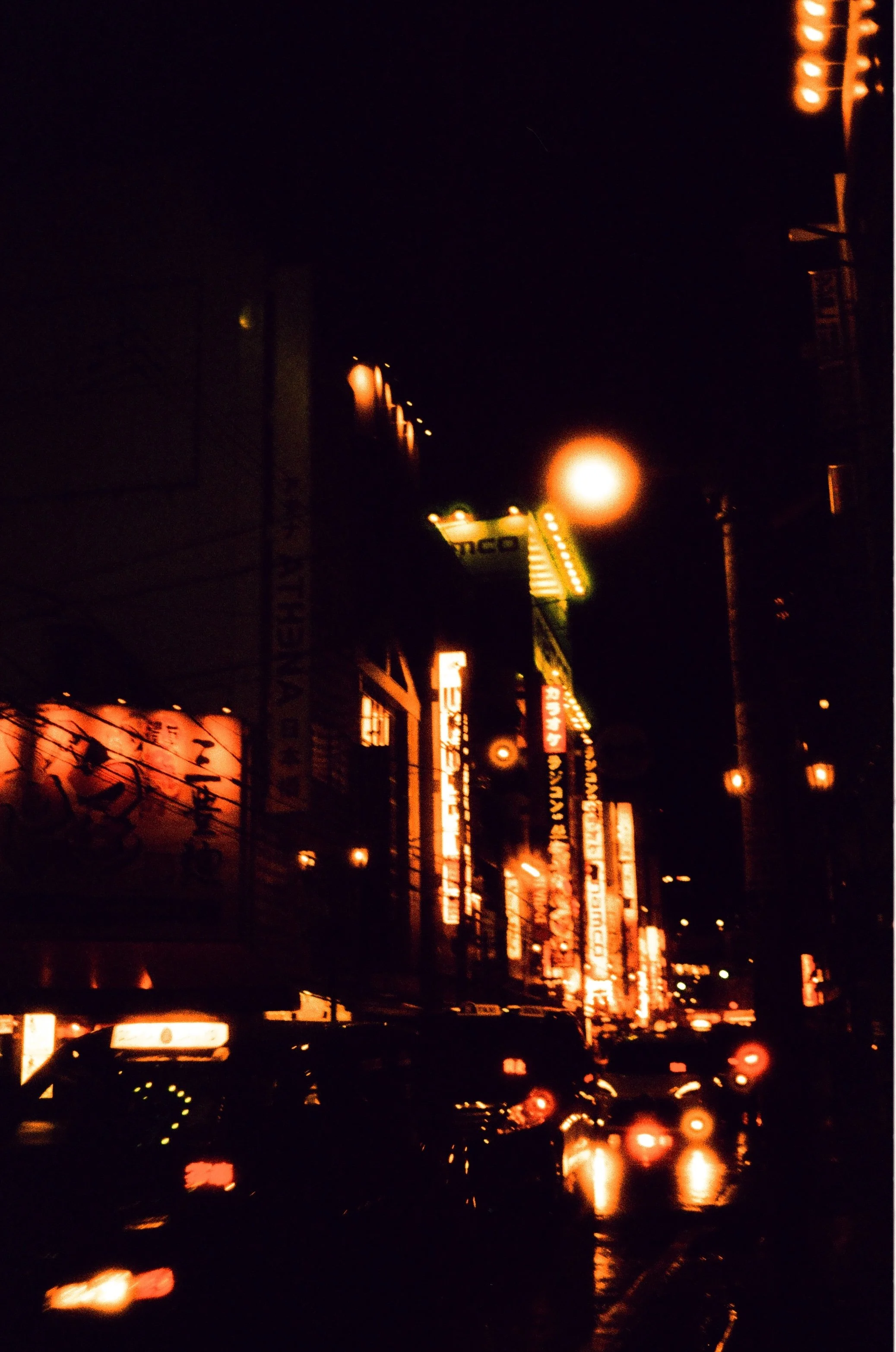
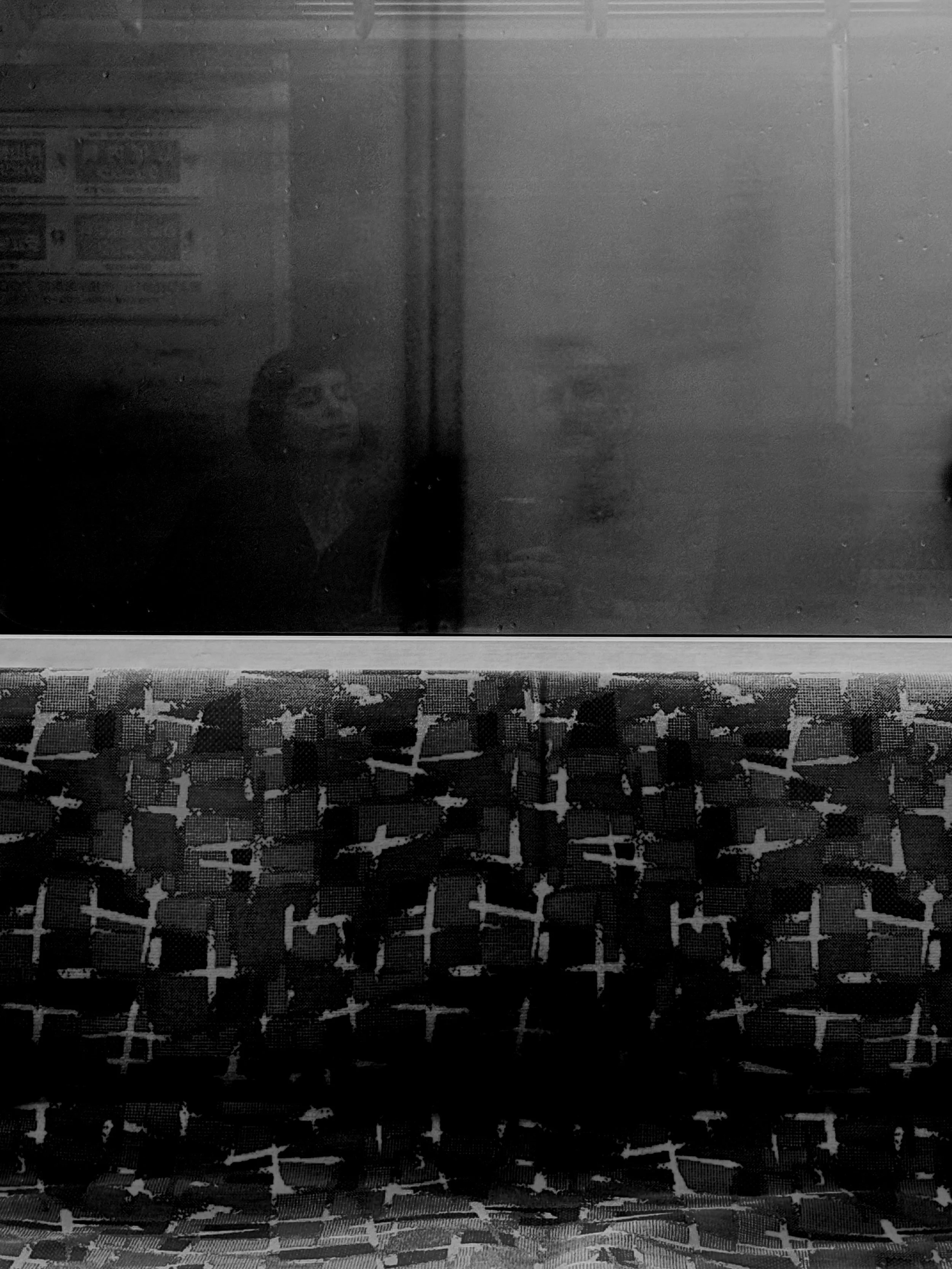
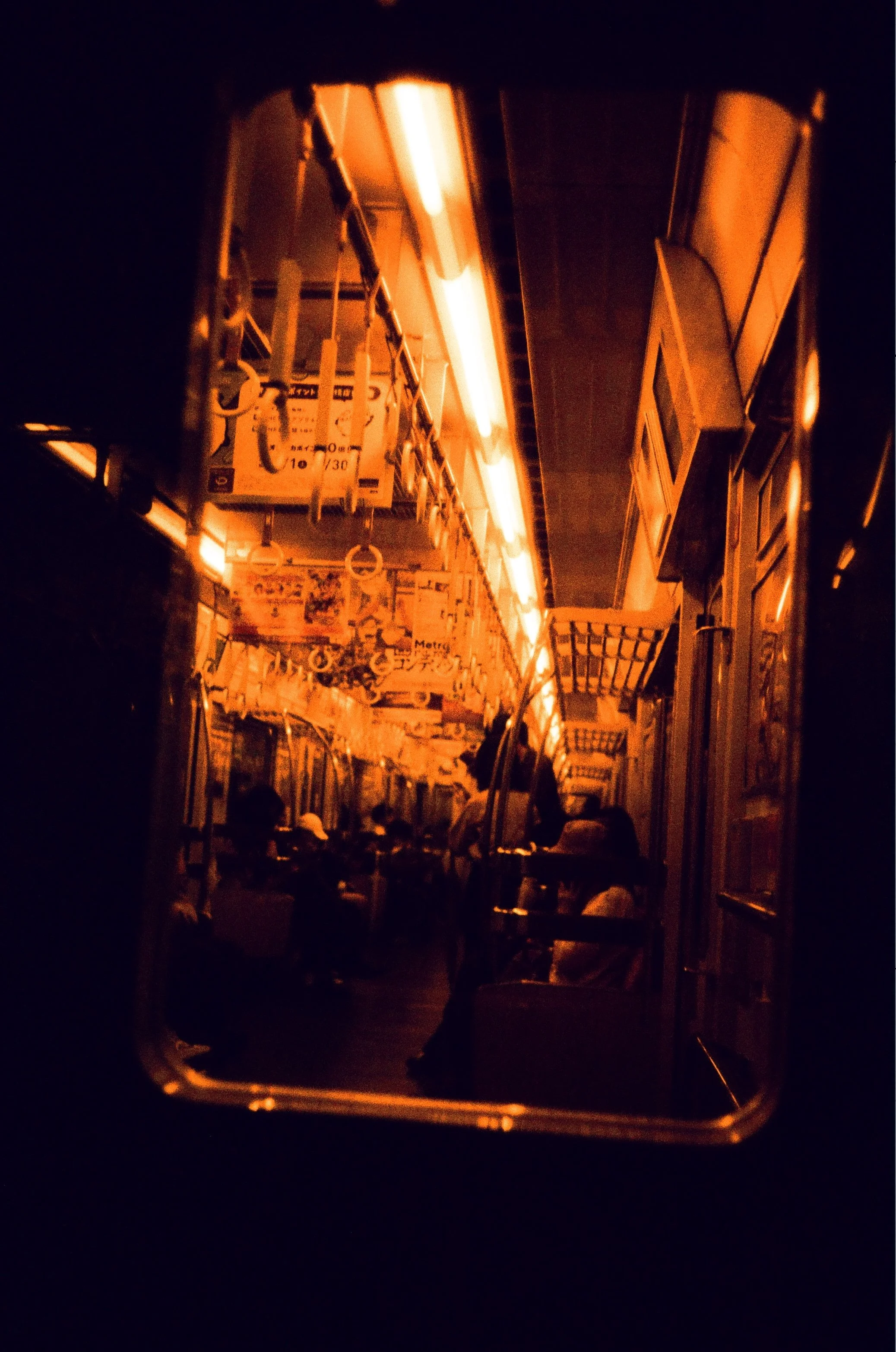
There is a strange quietness to Tokyo. A city of thirty-something million people, buzzing incessantly, and yet somehow covered by a tranquil blanket that produces a kind of quiet I don't think I've experienced anywhere else.
It isn't silence. There is sound everywhere - trains arriving, pedestrian signals, cars, announcements, the low electrical hum of buildings, millions of shoes moving across concrete - but somehow none of it seems to insist on itself. It forms a kind of muffled but extraordinarily precise arrangement. Not the absence of noise, but noise that appears to know exactly where it belongs.
It made me think of a reportage I once listened to about frogs. They synchronized their calls so that, heard from outside, they stopped sounding like individual animals and became one enormous organism. The point, supposedly, was to confuse predators: there was no longer a single frog to locate, only Frog.
Tokyo felt a little like this to me. Thirty-something million individual noises somehow merging into one enormous melody. Everything sounding in unison, creating this strange sense of quietness.
SHIMODA - NOISE
Cicadas, birds, tropical sounds - piercingly loud - hit my perception with the hyper-clarity of having taken a microdose of mushrooms. Everything is crisp and strangely close. Our first show is coming up soon.
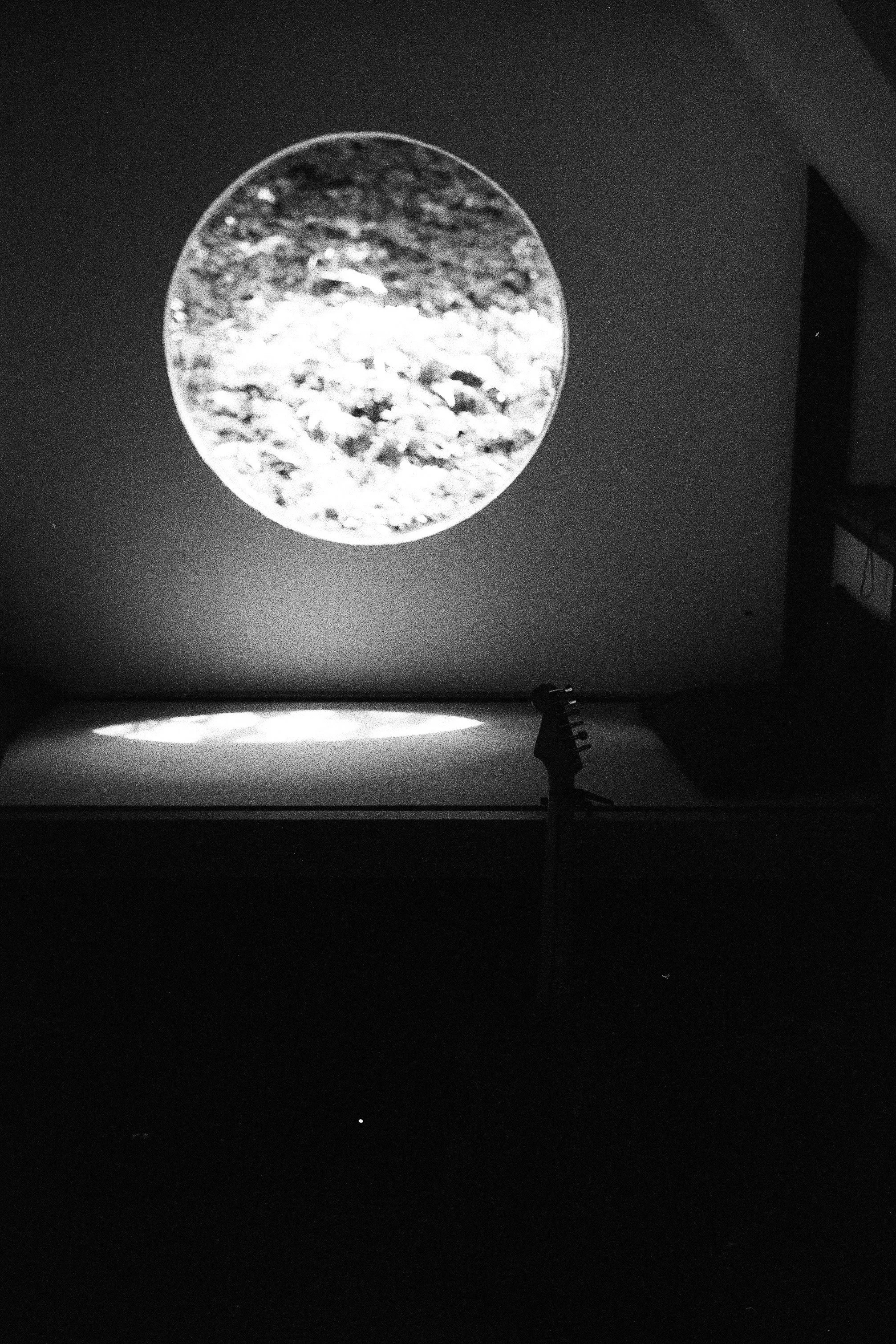
We practice our set in the ryokan-style living room of a tiny house somewhere in the tropical forest of Shimoda. Sound, I am beginning to think, is of extraordinary importance in Japan.
Earlier, sitting outside a tiny café near our tiny forest bungalow, having lunch, we hear a minimal little melody approaching from somewhere far away. My first thought is: Ice cream truck!
The melody gets closer. I wait for the ice cream truck to materialize.
Instead, a garbage truck slowly comes around the corner.
Even the trash announces itself with a melody.
There is something strangely endearing about this. The most mundane things seem to have their own soundtrack here.


OSAKA - HOKAGE BAR - FIRST SHOW
Sano, the owner of Hokage, seems reserved when we arrive and start setting up our gear. Skeptical, maybe. Like an observant bird of prey, watching our every move.
He is kind though. Extremely kind.
Maybe the skeptical part is entirely in my head.
The sound engineer is a woman. She has the unnerving aura of someone who needs maybe three seconds of eye contact to understand exactly who you are, and whether you're full of shit.
She listens carefully as we explain our setup, even though she doesn't really speak English. After a while it becomes obvious that words aren't particularly necessary. We babble on while her eyes move across the gear, taking inventory. Her professionalism takes care of the rest.
She has this beautifully cool elegance in a very punk way. Baggy clothes, like seemingly everyone else in Japan. Nothing about her feels performed.
Then my feedback problem knocks on the door.
She takes my microphone.
She listens.
Click-clack.
She makes this peculiar clicking sound with her tongue while turning frequencies down on the desk. Another frequency starts ringing.
Click-clack.
Gone.
Another one.
Click-clack.
Gone.
I'm watching her dismantle the feedback frequency by frequency. A wizardry of its own kind. Soundcheck is thirty minutes sharp. The next band is waiting.
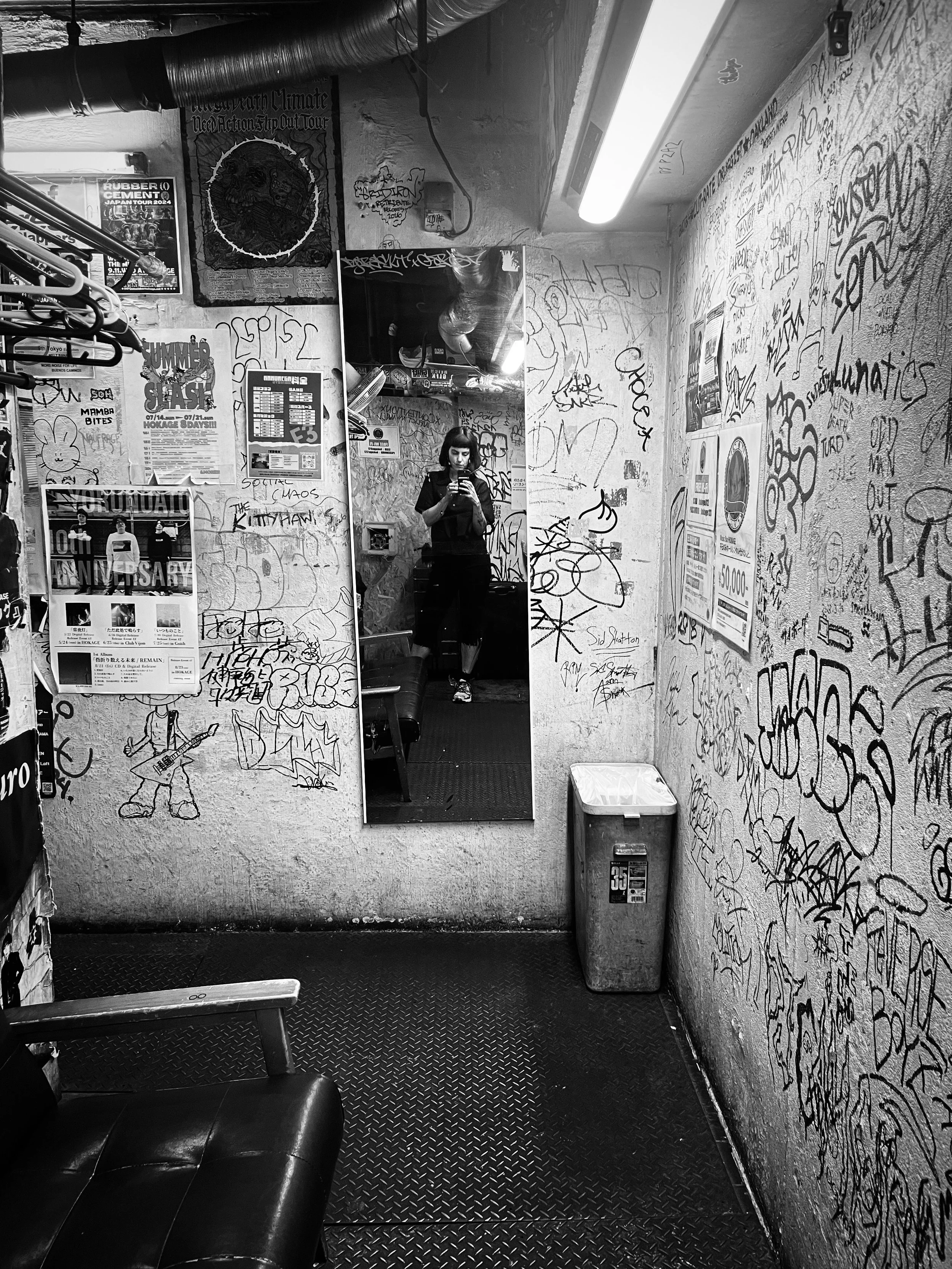
The little greenroom smells of cigarettes and sewage. The walls are covered in hundreds of messages, tags and signatures from bands that have passed through here before us. At the back, the mixing engineer is detangling cables. A cigarette hangs from her mouth, leaving both hands free. She works through the knots with total concentration.
Exactly the same concentration as during soundcheck.
Click-clack.
The first show begins. At first, the crowd seems to be mostly expats, but as the evening grows older, more and more Japanese people arrive.
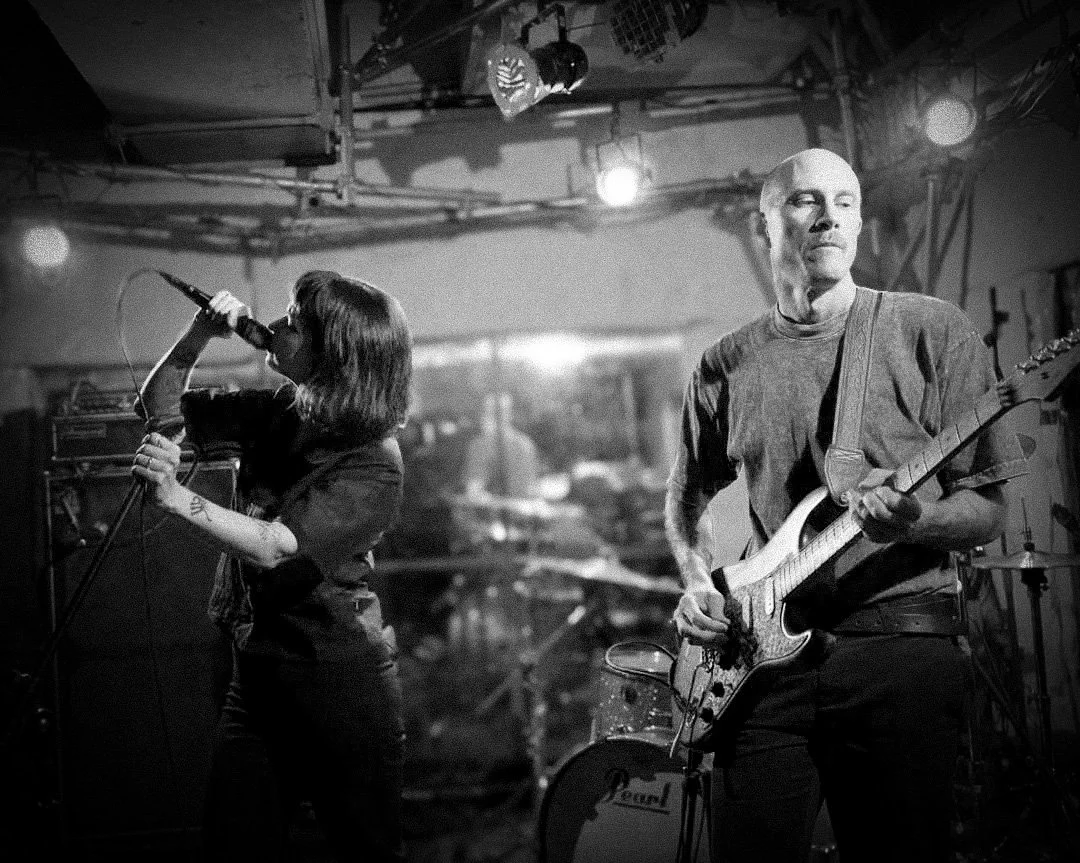
Dominic and I become completely enamoured with the noise artist The Misancholy. She stands over her synthesizers, pulling invisible strings from them like a witch conjuring gentle demons - sound waves exploding into a thousand shards of glass, only to be gathered up again by another poised, almost delicate melody. It’s so loud. Easily 110 dB. Nobody is wearing ear protection except me.
At times it feels violent, then suddenly tender. Something disintegrates, reforms, disintegrates again.
It is beautiful.
Click-clack.
We get on stage. Well, it’s not really a stage. It’s more of an area.
Dominic and I both like it this way. We’re at eye level with the crowd, no elevation, no real boundary between us and them. It feels intimate.
It also eliminates one of my recurring fears, which is falling off a stage.
When I’m nervous, I can become terribly clumsy, and I have this persistent mental image of somehow getting tangled up in a cable, tripping, and going headfirst into the crowd- not in a sexy punk way, but in a profoundly undignified one.
This fear is perhaps not helped by the fact that I sing with my eyes closed most of the time. I do this partly because looking at things while singing is dangerous. A face, a movement, somebody walking past, a certain shade of color projected onto the wall -almost anything can produce one
tiny moment of distraction, which then produces another, and suddenly I am observing myself thinking about being distracted instead of remembering where I am in the song.
So I close my eyes.
Click-clack.
Nobody is talking.
It’s almost eerie.
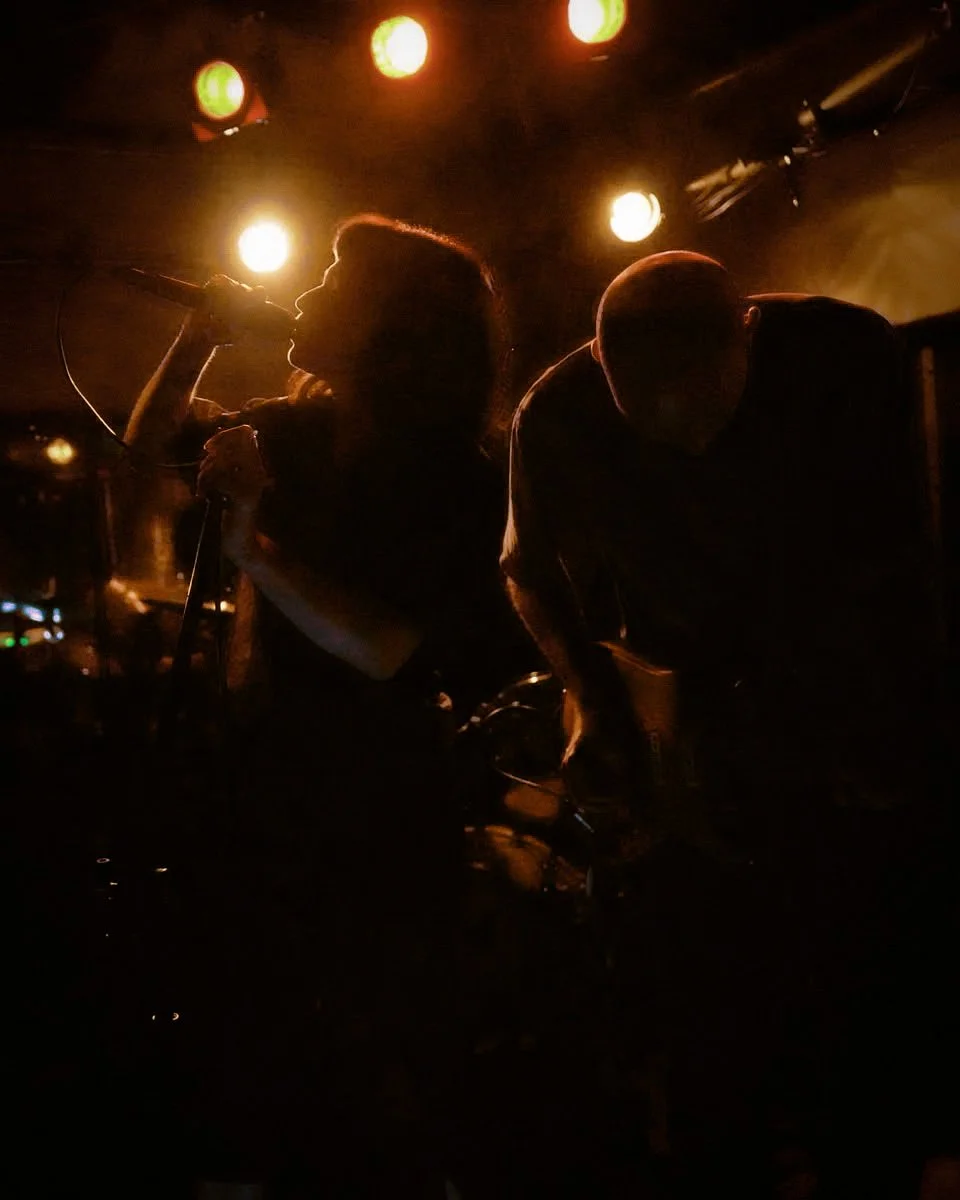
I open my eyes and see a guy directly in front of me, eyes closed, slowly rocking from side to side. I decide to take the risk and cautiously keep my eyes open. I look up toward the left corner of the room.
There, almost camouflaged into the wall, is a small wooden box with something like a window cut into it, except there is no glass. And inside: her again. The sound engineer. Totally focused, working the sound and lights.
Our eyes meet.
I give her a faint smile.
She catches it and, to my surprise, smiles back and nods. It’s the first real expression I’ve seen break through her stoic face all evening.
Okay, I think. I think it’s going okay.
We finish with “Evil Father’s Hand.”
Dominic, in his usual rushed way, immediately starts unplugging everything. I say thank you and am about to do the same when somewhere in the room we hear:
“One mo!”
Then another.
“One mo!”
And then several more one mo’s from different corners of the room.
I’m genuinely startled. The entire time we’ve been playing, the room has been so quiet that I had no idea what anyone was thinking.
We plug everything back in and finish with DIE.
Dominic and I had gone into the show with essentially no expectations. Afterwards, people started coming up to us one by one- the very young staff, people from the crowd, people we hadn’t spoken to before - and saying, with a sincerity that was almost disarming, “Thank you. It was so beautiful.”
I had mistaken quietness for an absence of response.
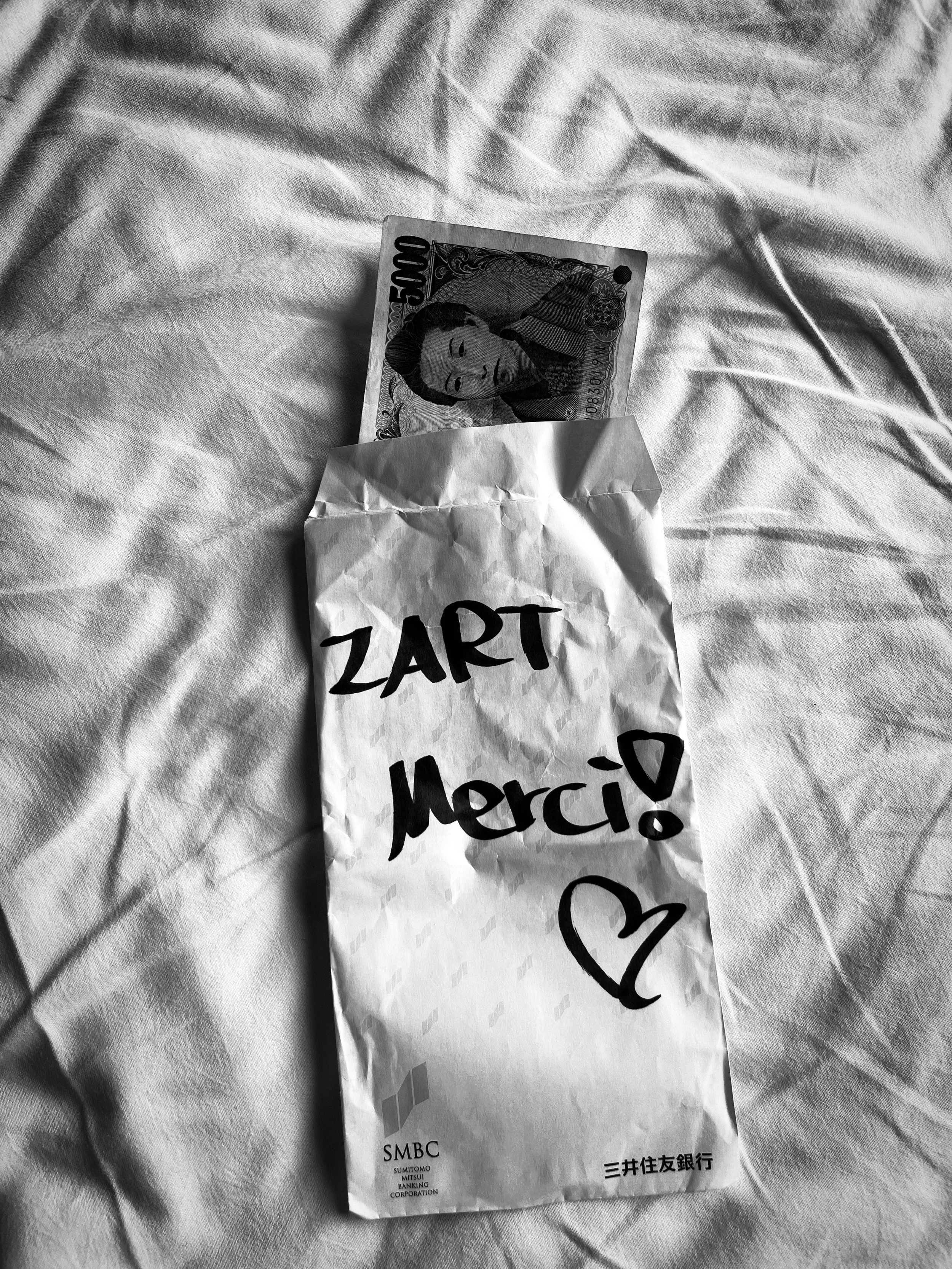
After the show, Sano hands us a little envelope. On the front it says Merci. Inside are 5,000 yen. About 25 Swiss francs.
Before coming to Japan, we had learned about the peculiar economics of its live-house system, where bands can sometimes end up paying the venue rather than the other way around. So we had arrived psychologically prepared to lose money by playing music.
Instead, Sano gives us 5,000 yen.
It is not a lot of money.
It feels like an enormous amount of money.
Merci.
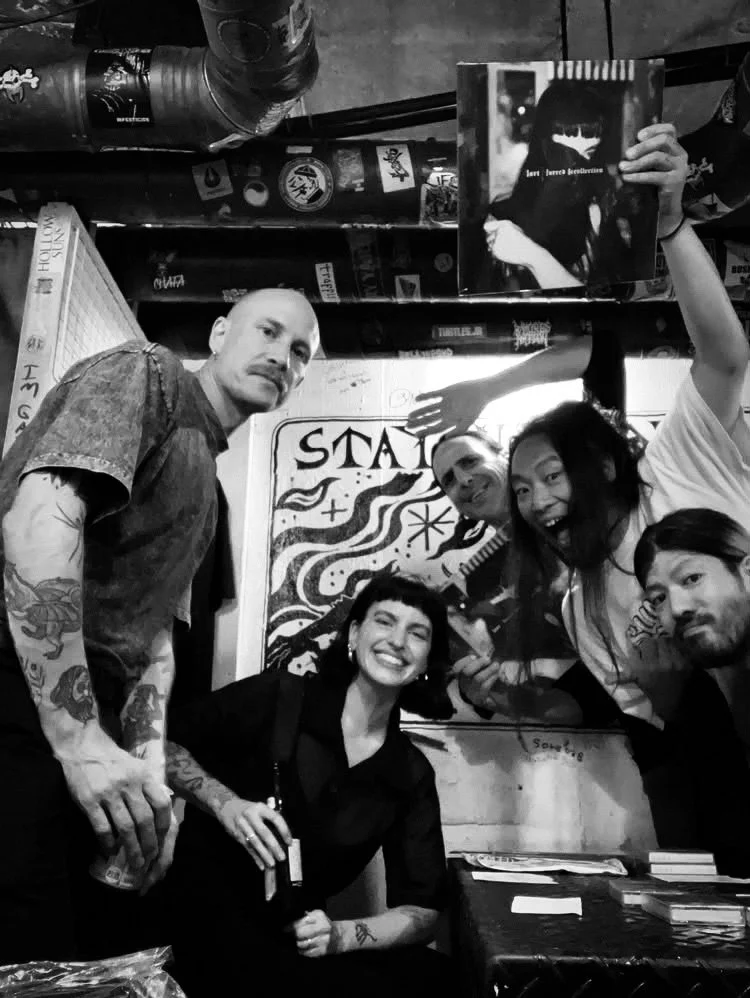
NAGOYA - STIFFSLACK - SECOND SHOW
Nagoya feels different. There are hardly any tourists, the city is laid-back, and very few people seem to speak English. It's really nice.
Soundcheck is coming up, so we take a train toward what appears to be the outskirts of the city and get off at a tiny station.
Stiff Slack is nearby: a filled to the brim record store run by one man.
Shoegaze, emo, punk, hardcore, indie - basically everything a millennial could have listened to as a teenager is here on vinyl.
We walk around the store for a while. Nobody seems to be around yet. We know the venue is through a back entrance, but for the moment there is just us, the records, and a peculiar absence of anyone who appears to be expecting a band.
Then a man suddenly emerges from behind what looks like a homemade partition. “Soundcheck?”
“Soundcheck.”
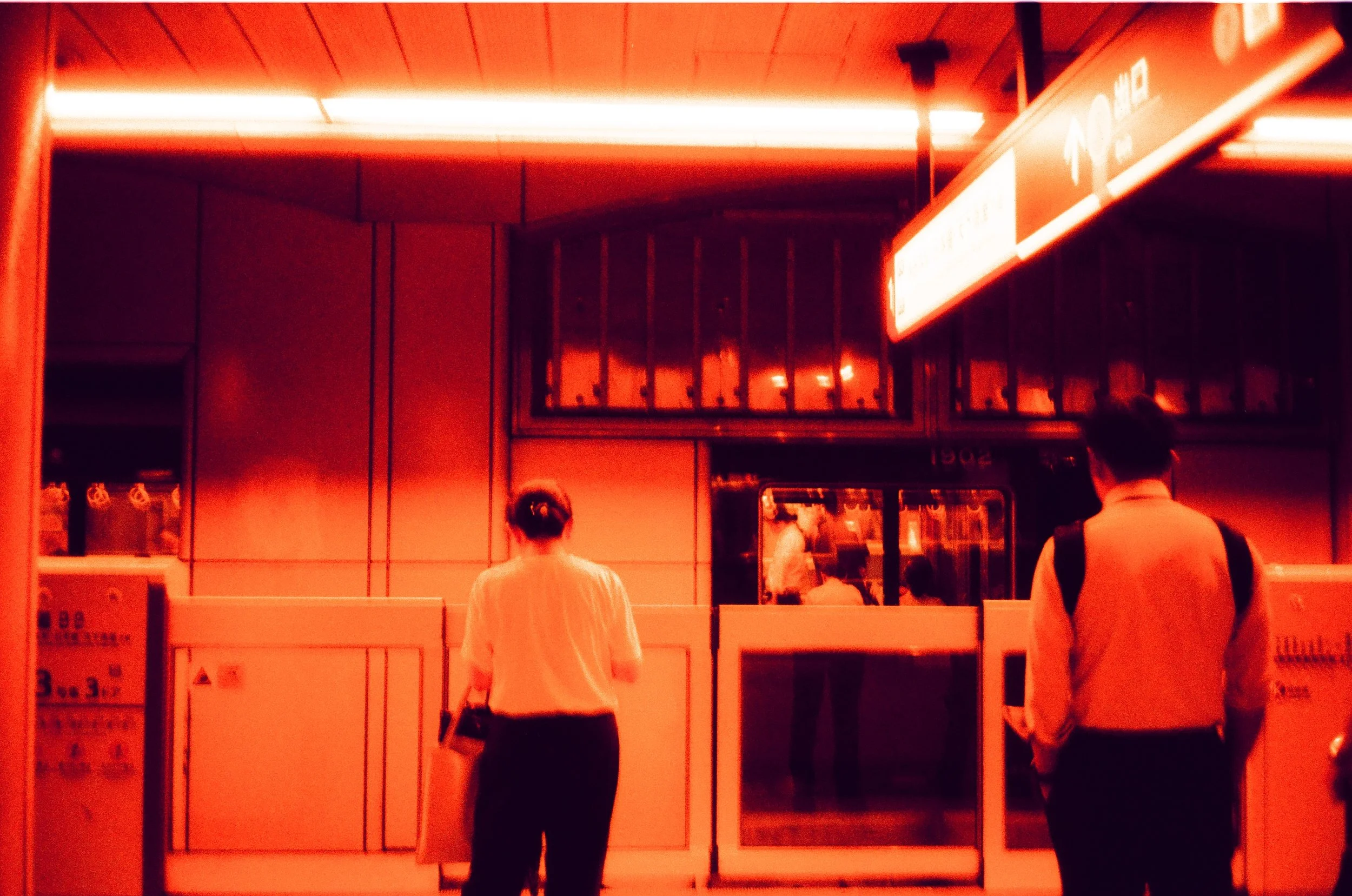
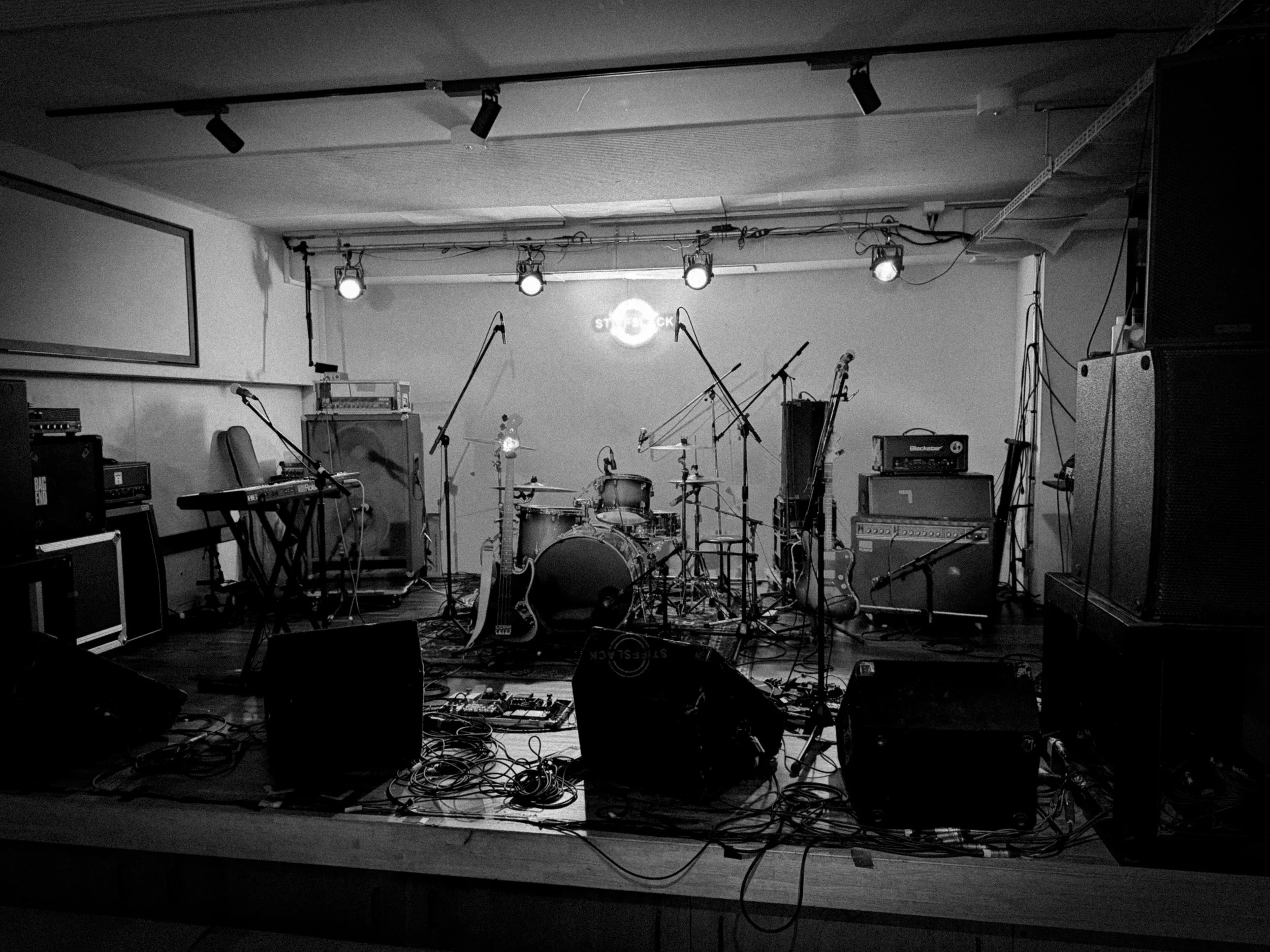
He leads us toward the back, where a door opens into an entirely different space: a proper venue with a stage.
A very young guy smoking a cigarette welcomes us, and we begin soundcheck.
Something that needs to be said at this point is that Japanese live sound engineers love smoking and take their jobs extremely seriously. At every venue we play, the sound is astonishingly good. There seems to be a real pride in making a band sound as good as it possibly can, regardless of whether that band is famous, unknown, local, or like us, foreign and unknown. This is humbling.
Another humbling experience is discovering that every local support band appears to be insanely good.
This makes you shit your pants a little.
At Stiff Slack, the musicians playing before us are very young. I would guess some of them aren't older than twenty. And they can PLAY. Young people in Japan, I am beginning to notice, seem to have a relationship with guitar music that feels strangely alive. It is refreshing.
Shortly before our set, I’m sitting in the greenroom, quietly cooking up a nice dose of anxiety.
A few minutes earlier, a young guy in a “My Bloody Valentine” shirt bought one of everything we have at the merch table and asked us to sign the record.
This should make me happy.
Instead, it terrifies me.
Then the girl sitting next to me in the greenroom starts doing vocal exercises.
Her voice is tiny and angelic and completely perfect. She moves through the notes effortlessly, hitting every single one with terrifying precision.
And we are the headliners?
Damn.
We play.
The audience is very young and even quieter than in Osaka.
Not only quiet during the songs. Quiet after them also.
No clapping. Just bare silence between songs. It definitely makes you question your performance for a second.
Then my microphone cable begins to fuck up.
Crack.
Crackle.
I see the kid in the “My Bloody Valentine” shirt standing in the crowd when I open my eyes due to the cracking sound my microphone cable produces. And there it goes.
I start thinking about the fact that he bought everything.
Crackle.
I start thinking about the fact that he asked us to sign the record.
Crack.
I miss my cue.
I need to close my eyes.
But now the microphone cable is making crazy noises, which means I need to listen to the microphone cable, which means I am thinking about listening to the microphone cable, which means I am no longer entirely sure where I am in the song.
I catch myself again.
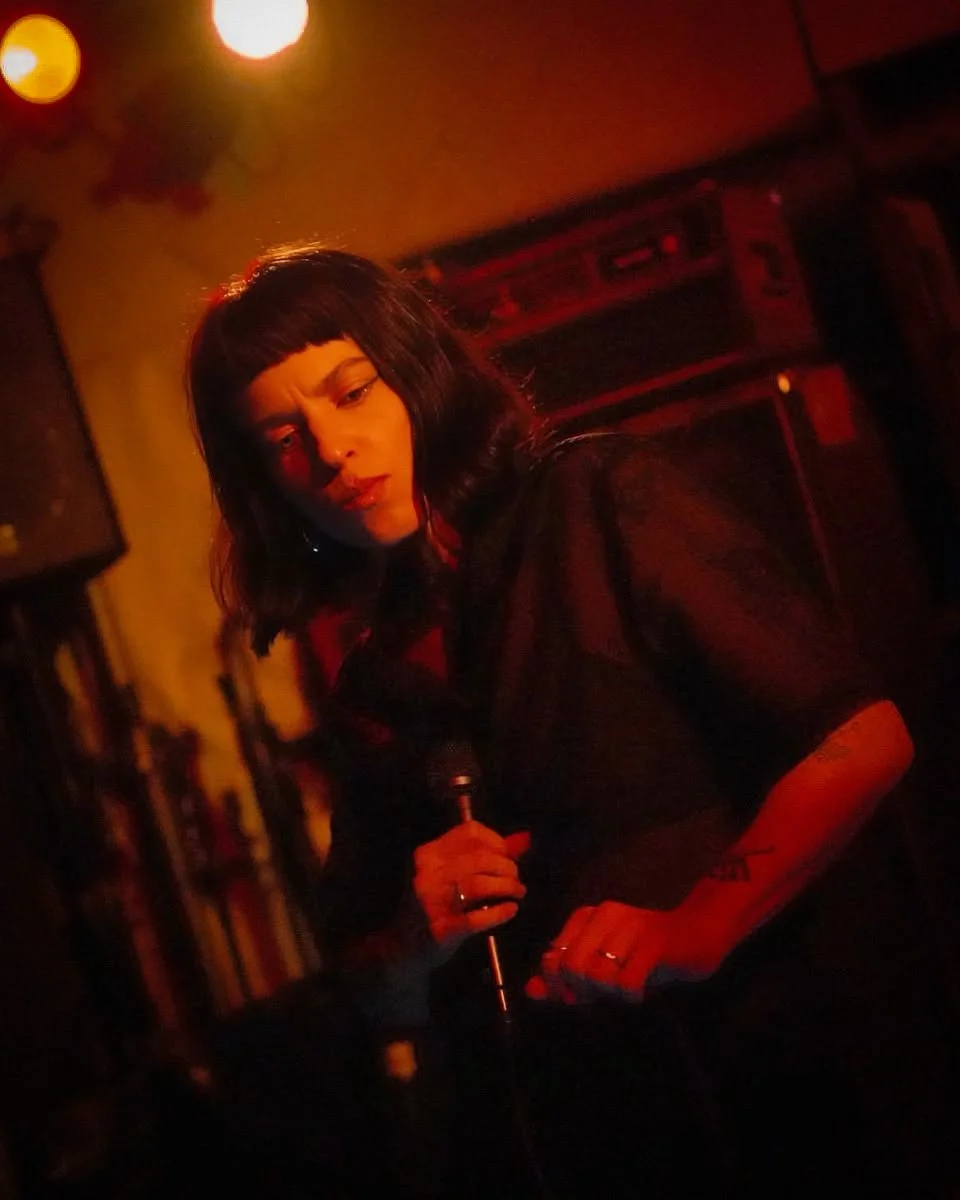
Luckily, the cable only occasionally decides to sabotage us. The rest of the show goes surprisingly well, considering the amount of nonsense going on inside my head. Not least thanks to the excellent sound engineer, who smokes his way through the entire performance.
We finish.
They clap.
We pack.
We leave.
No little envelope this time.
OKAYAMA - PEPPERLAND - THIRD SHOW
“Don’t be nervous,” Tanner says.
Tanner is a 72-year-old noise-performance artist and butoh dancer.
“You can’t be nervous.”
I jokingly try to shake whatever anxiety is taking hold of me out of my body, tossing my arms around in slow motion while trying not to trip over the clutter in the tiny greenroom - which is less a greenroom than a passageway temporarily serving as one.
Tanner watches me.
“You’re a dancer?!”
“Oh, no, no. I’m not.”
“Please, dance with me for the first seven minutes of our performance.”
He says this in an almost stern way.
A bit startled, I can’t decline his request and say yes, while privately hoping he is joking.
Or that he will forget.
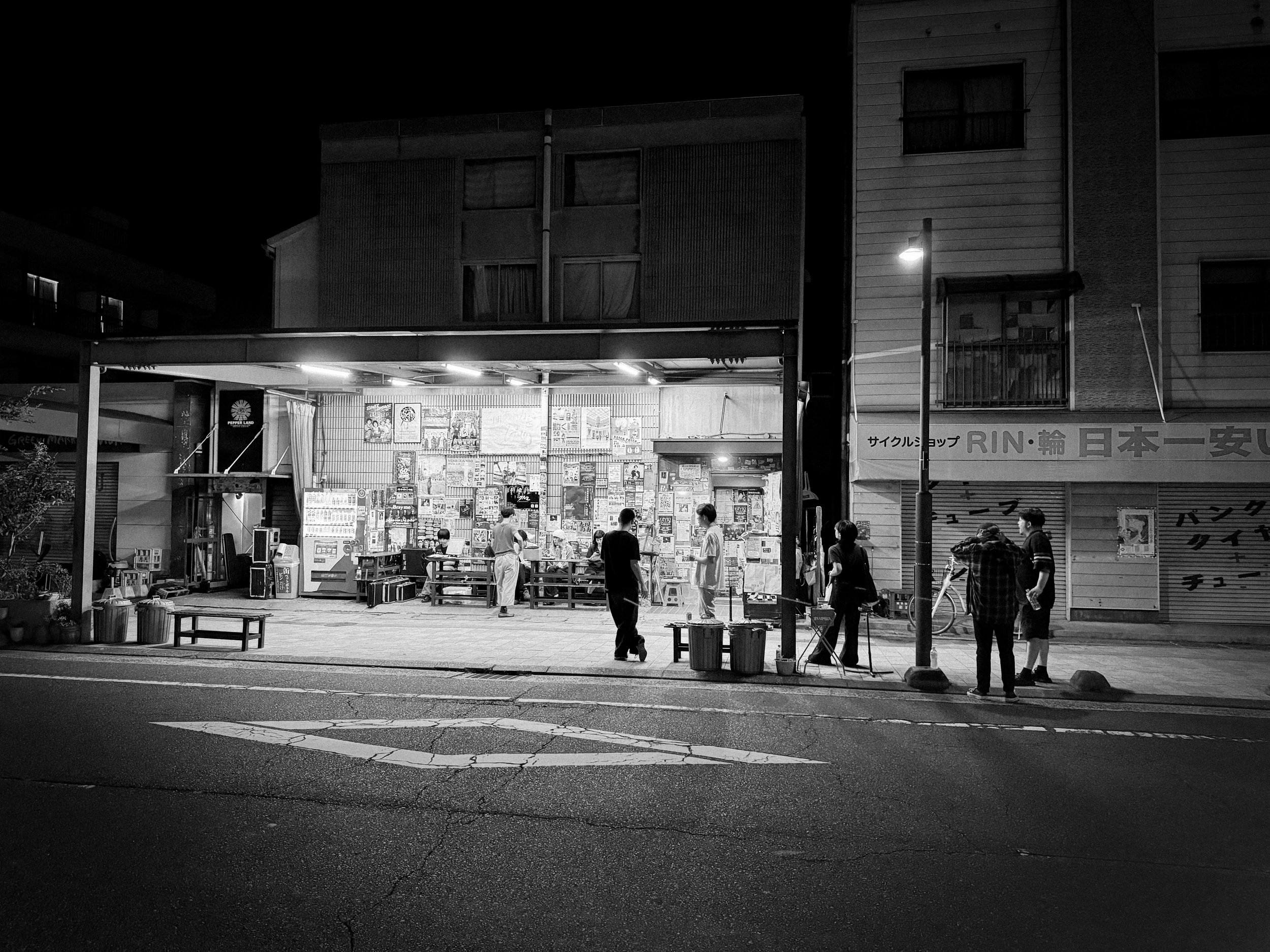
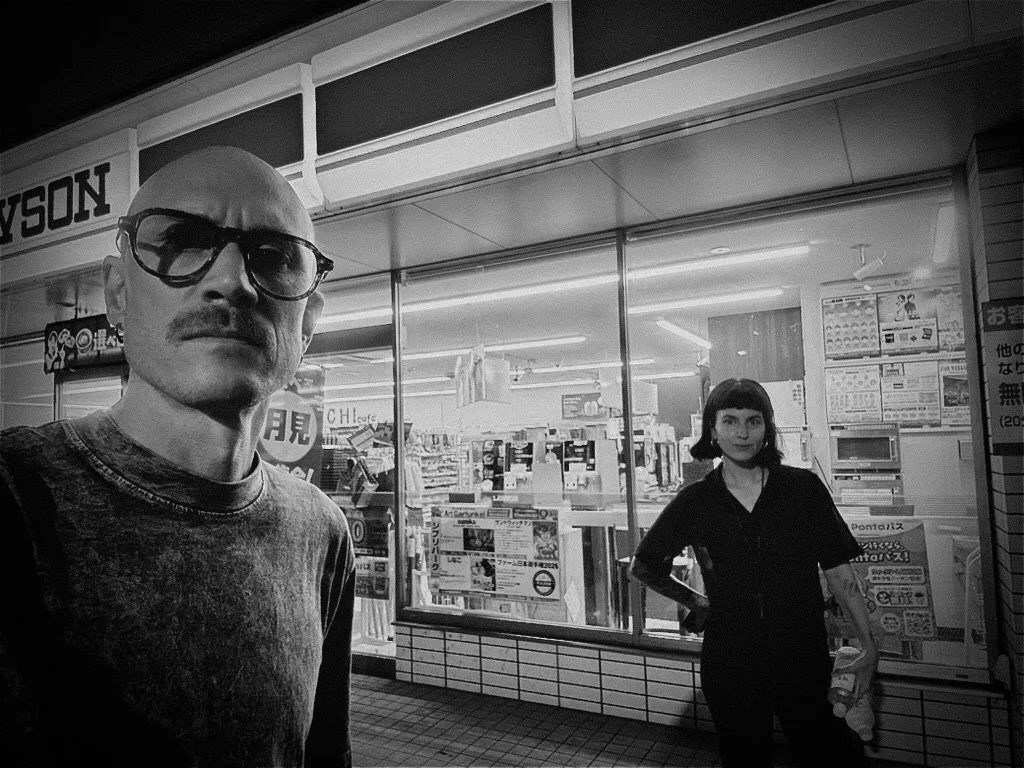
There are so many things I want to say about Pepperland.
It is a magical, deeply community-driven place that celebrated its 50th anniversary last year. Then there is Iseo Nose: the owner, the founder, the artist, the most peculiar man.
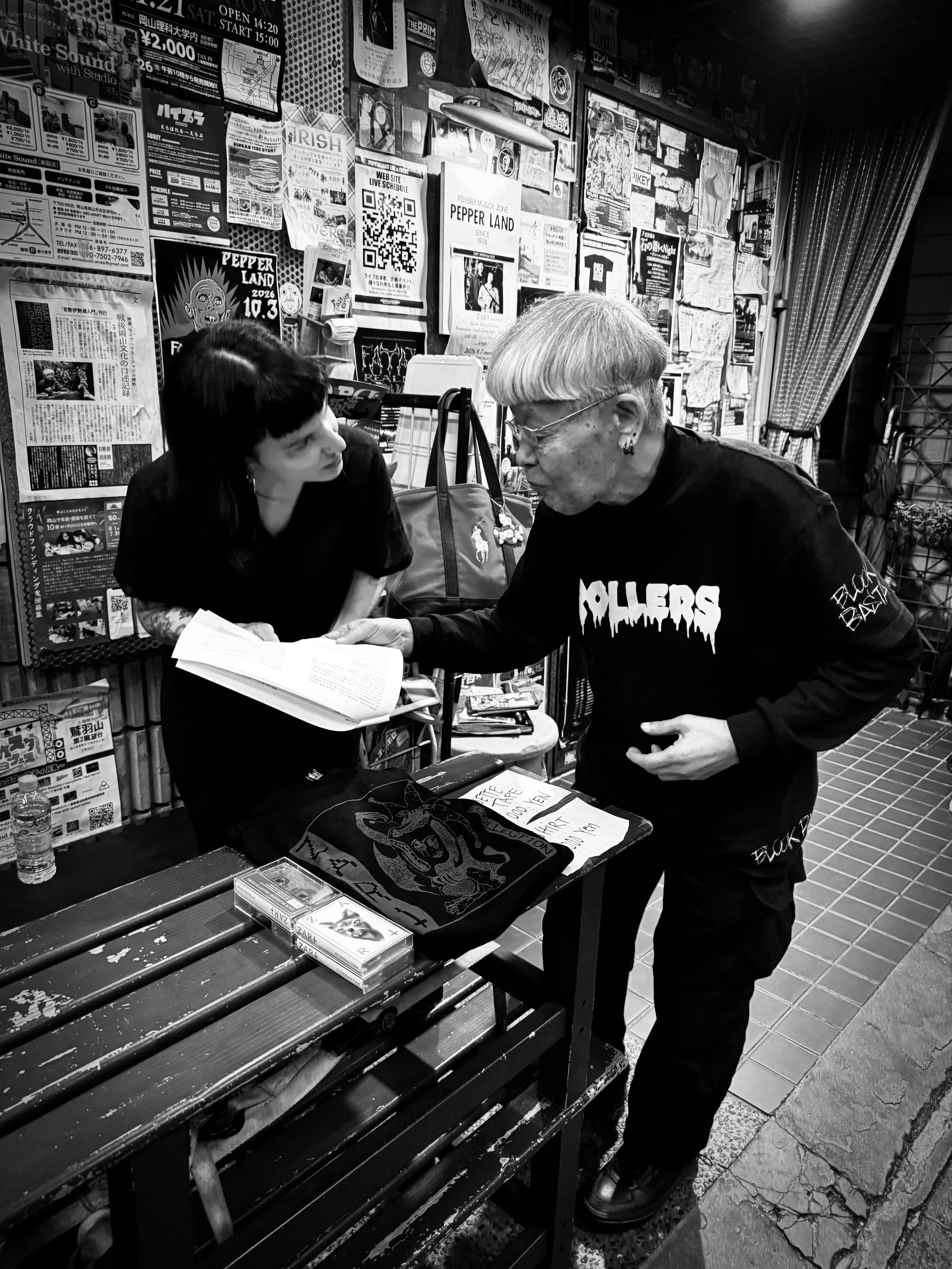
At some point, somewhere around the third performance of the evening, I step outside for some fresh air. Iseo appears and hands me several sheets of paper stapled together.
I’m confused at first. The text is in Japanese, followed by an English translation. He takes out his phone and speaks into it. The display reads:
“I translated it with Google Translate, so I don’t know if it’s good.”
I start reading.
A few lines in, I realize what I’m holding.
Iseo Nose has taken the time to write an essay about our album, Forced Recollection. An actual essay.
We are genuinely in disbelief.
People have written about our music before, but usually there is a mechanism behind it - a label sends an email, a record is being promoted, something is being released.
Iseo had simply listened to our album and decided to write about it.
There was nothing transactional about the gesture.
This feels incredibly freeing.
For a moment, all the machinery surrounding music - the numbers, playlists, promotion, the constant effort of trying to get somebody’s attention - seems very far away.
Which, unfortunately, also means that I now really don’t want to disappoint this man. So there I am in the greenroom with a crippling case of imposter syndrome. The night at Pepperland is hard to describe in words.
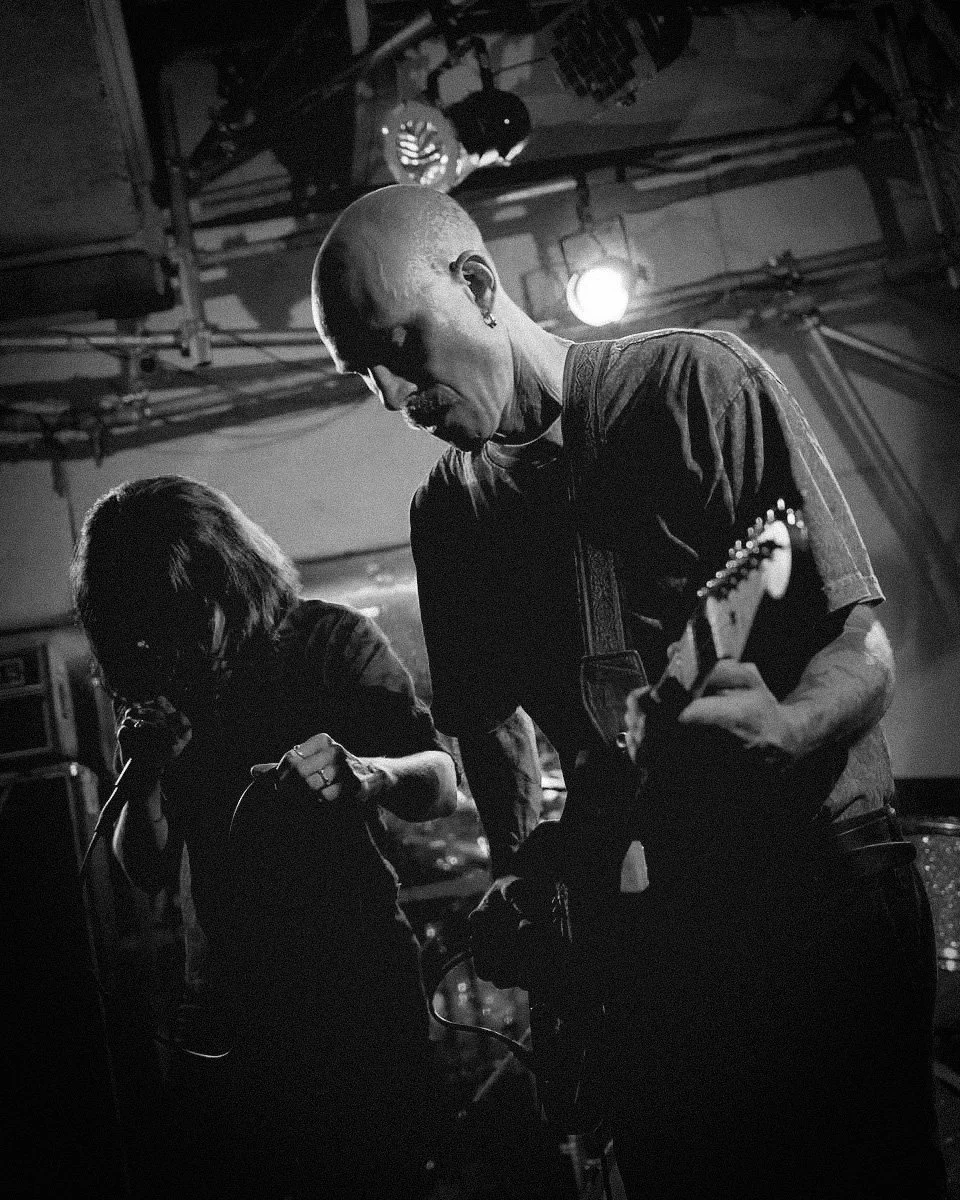
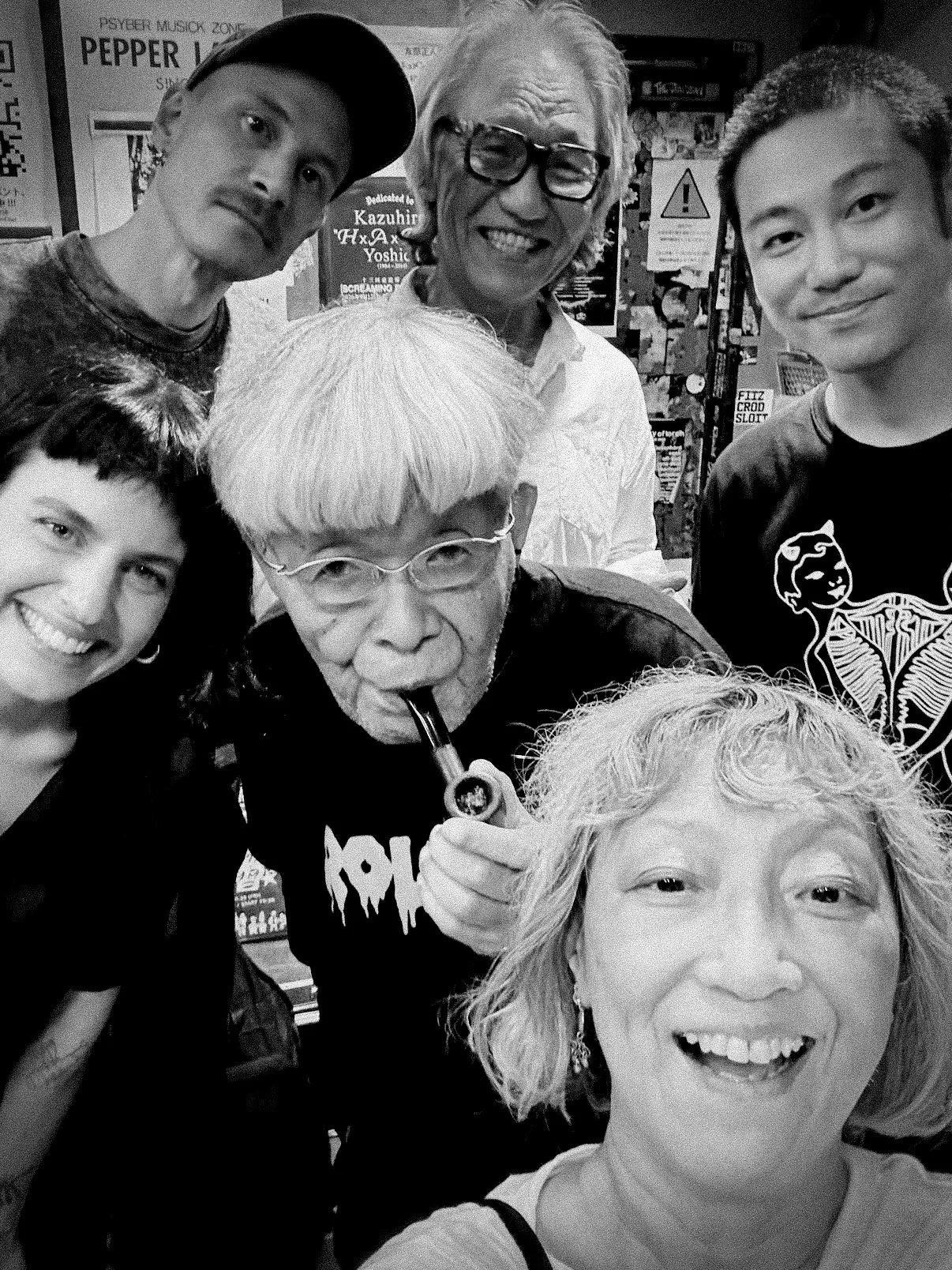
Seven acts are on the bill. Very young musicians, very old musicians. Hard, tender, noise, fuzz, us. Spoken word dissolving into crushing feedback. Nothing really seems to belong together, yet somehow everything does.
And the crowd stays.
They listen. They watch. They are in it.
Dominic and I are completely captivated by a band called Possession. I guess they live up to their name. They are so good that afterwards we immediately ask if they have a record.
Vinyl?
They sort of laugh.
No.
CDs?
No.
Spotify?
Nothing.
They haven’t recorded anything at all.
They just play live.
We love this.
A band we have never heard of, with nothing to sell us and nowhere to look them up afterwards, has just played one of the most captivating sets of the night.
And somehow nobody here seems to find this particularly unusual.
The room is full. People stay for bands they don’t know because they trust the people who put them there. Pepperland. Iseo Nose. Kiko. Everyone who keeps this place alive. They trust the community around it.
And maybe that is what keeps striking me about the underground music we encounter in Japan. In these little rooms, music doesn’t seem to need to arrive with proof that it deserves your attention. The place, the people, the scene are enough of a reason to listen.
And then:
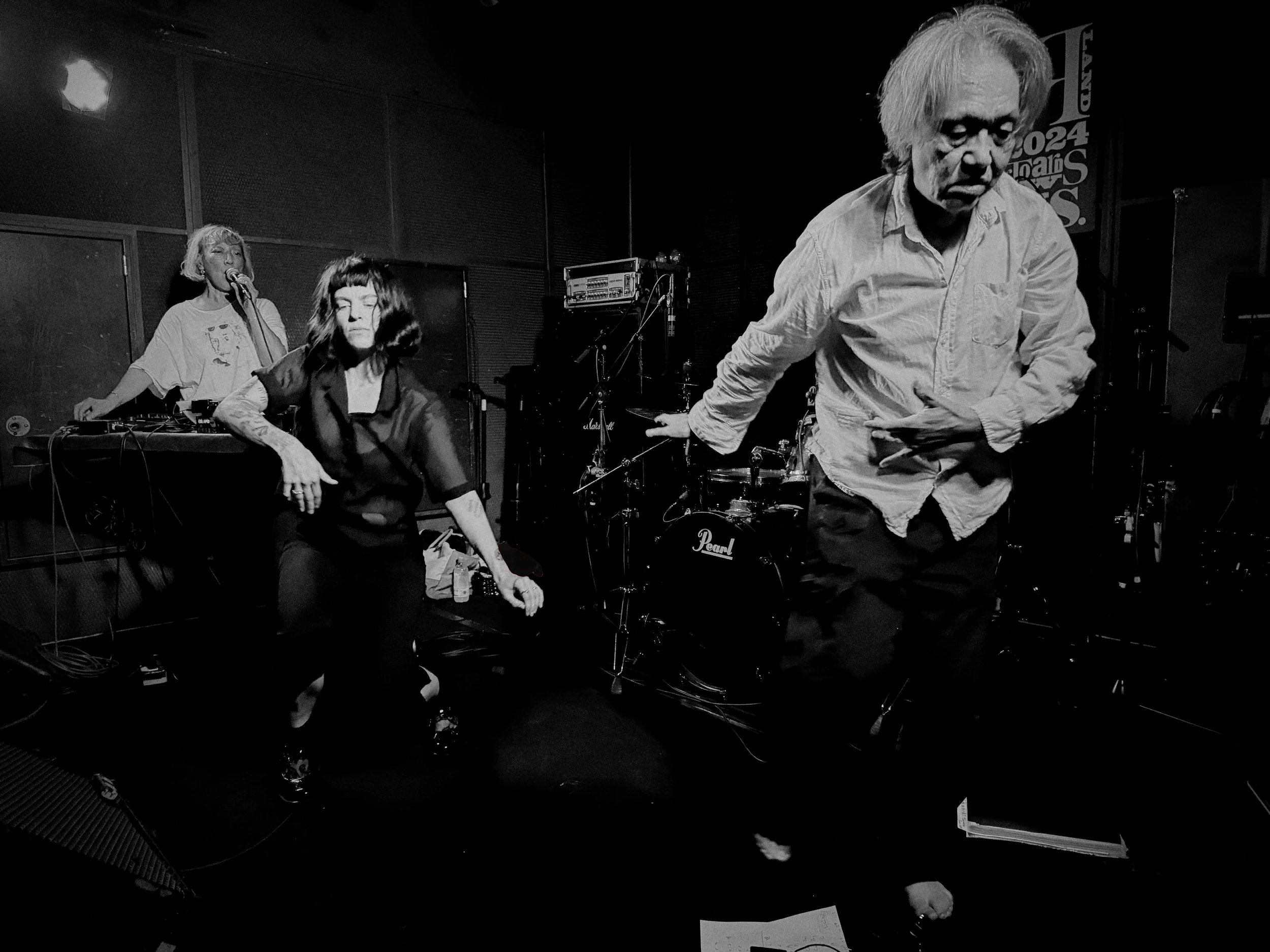
“Svenja, please come up on stage and dance with me.”
Fuck.
He remembered.
Seven minutes.
I go up.
I trust Tanner. I trust myself. I trust Butoh. I trust the crowd.
And for seven minutes, strangely, I’m not nervous anymore.
TOKYO - SUBSTORE - LAST SHOW
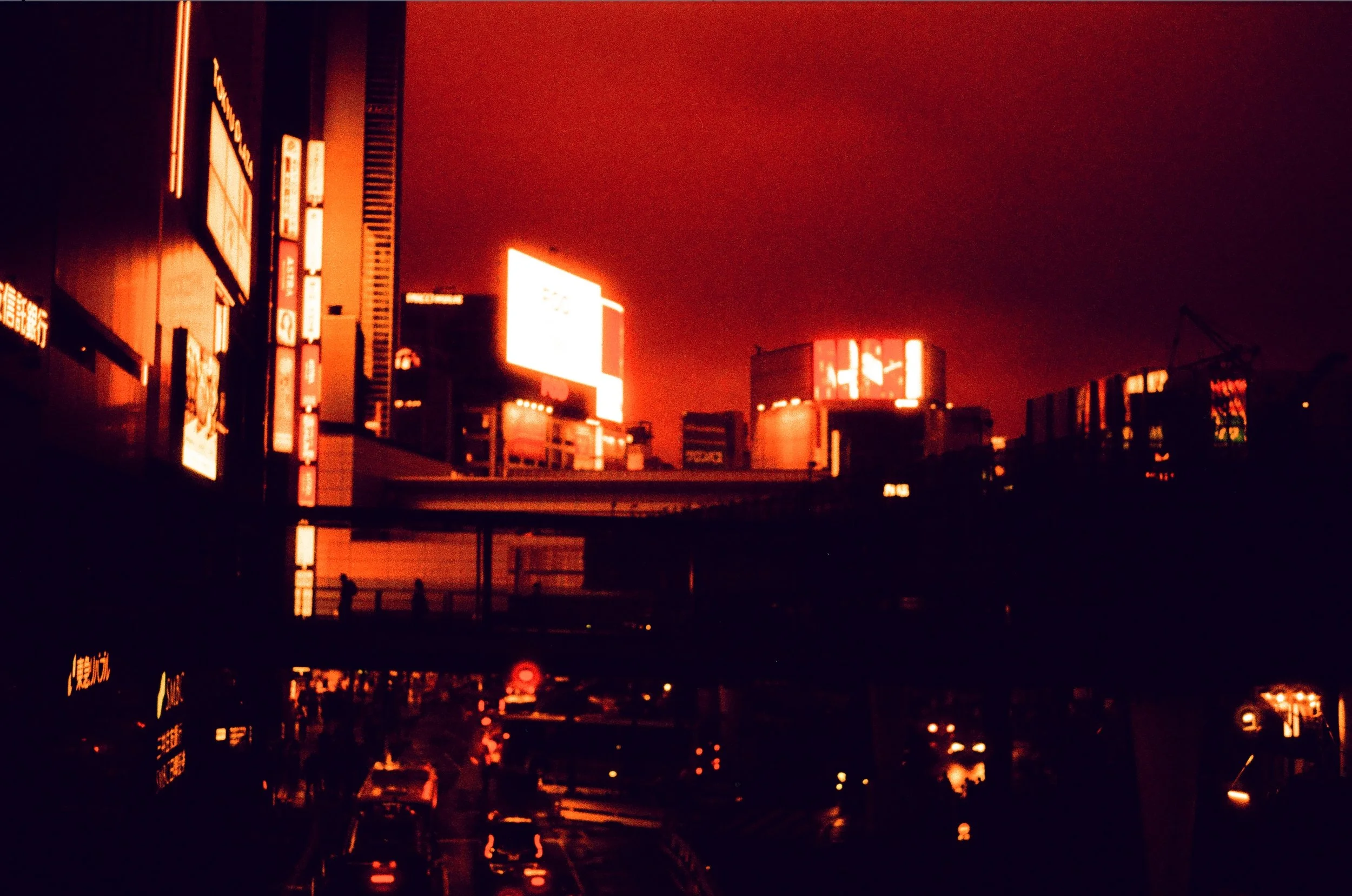
“This is not Tokyo,” Andy says. “It’s Koenji. It’s its own village.”
Koenji is raw and loud and seems to suggest rebellion. What a contrast.
We are standing in a tiny bar which is also a record store and venue. For once, there is no sound engineer, no real stage, just a small space between two corners that first needs to be decluttered before we can set up our gear.
But don't let that fool you. The sound system is, once again, top-notch.
Andy, the owner of Substore, is a sweet man. Very punk, politically engaged, and passionate about the place. Originally from Singapore, he married a Japanese woman, and together they run this place. She cooks and works the bar. Andy does the same, along with booking the shows.
Before our set, we take a stroll through Koenji.
And suddenly, there is smoke.
Fire trucks. Sirens. People gathering in the streets, rushing around, looking up at something we can't quite see.
Koenji is literally on fire.
What the hell?
Everything is chaotic, but not in the strangely orchestrated way I've come to associate with Tokyo. This is a different kind of chaos. Wild, unpredictable, slightly alarming. It smells. It's dirty. It's grimy.
Andy is right.
This is not Tokyo.
This is Koenji.
An underground world at ground level.
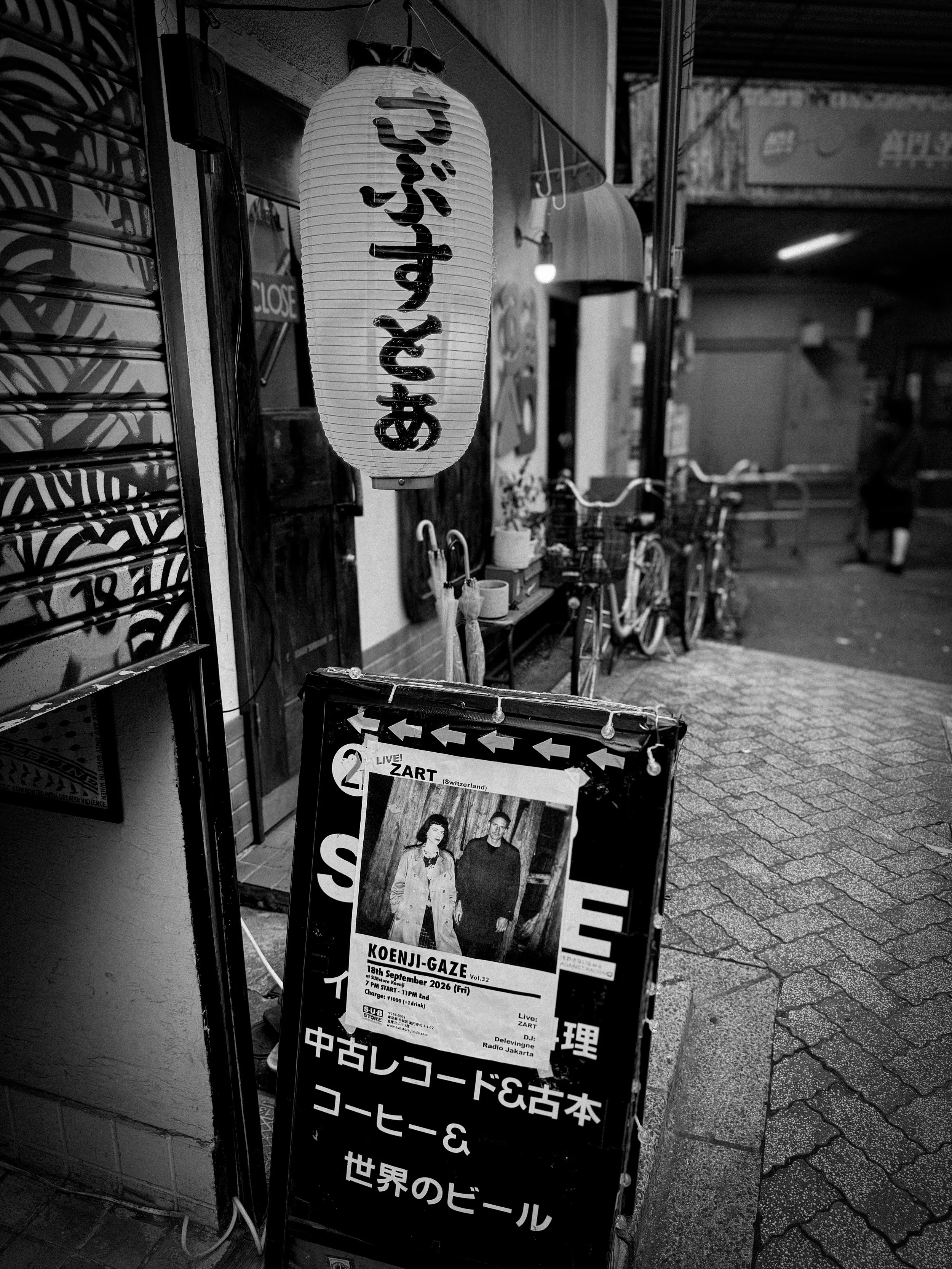
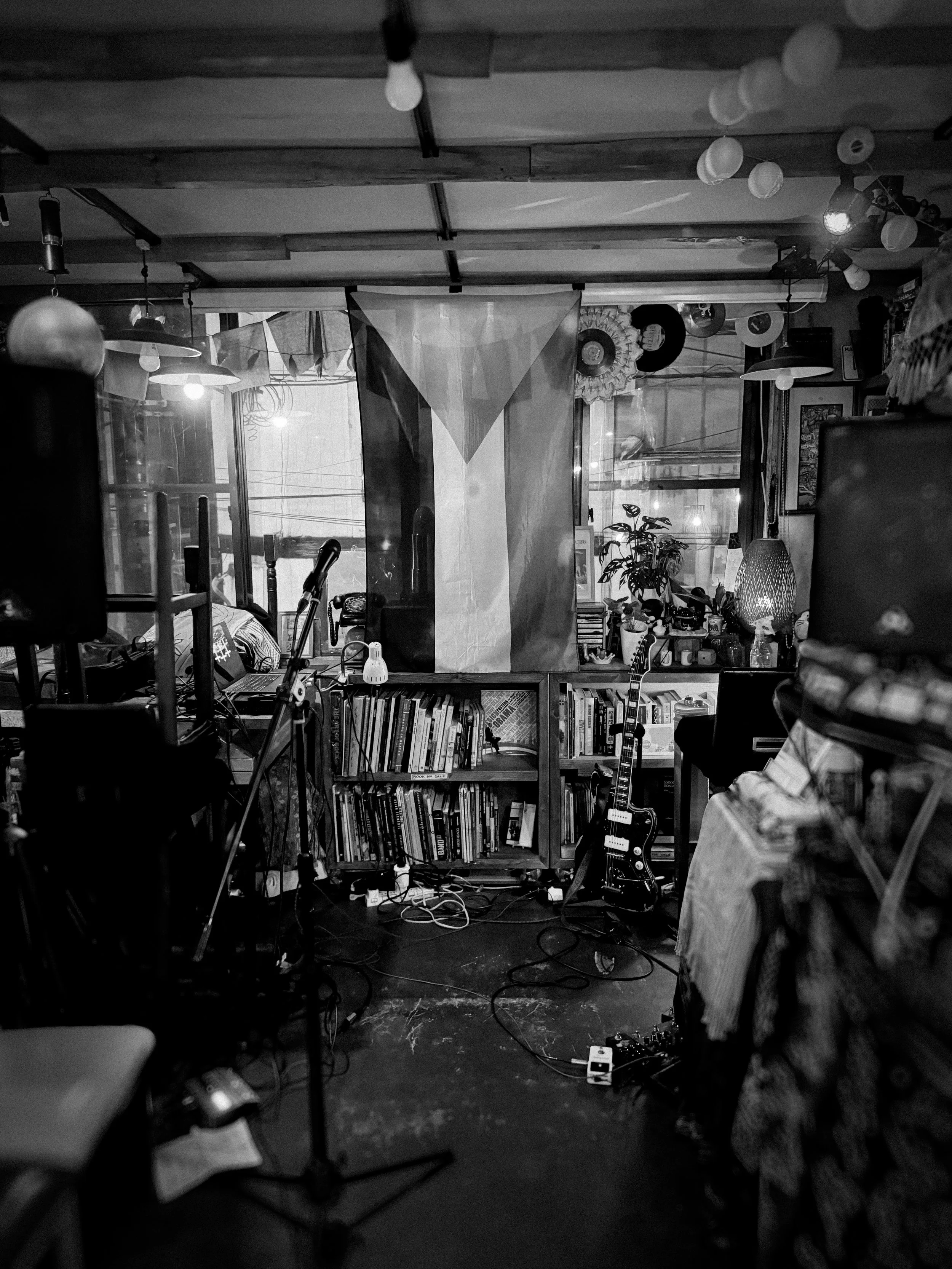
Again, we have absolutely no expectations for our show. Will anyone show up at all? We have no idea.
But people do show up.
And what a peculiar crowd it is.
Half American, Canadian and Australian expats. Half Japanese goths.
You can actually hear the difference while we're playing.
Most of the expats are talking.
The Japanese are listening.
It's almost as if two entirely different concerts are happening simultaneously in the same tiny room.
And, perhaps because of the expat presence, we are asked to play an encore. This seems to be a phenomenon that occurs primarily when there are Westerners in the room.
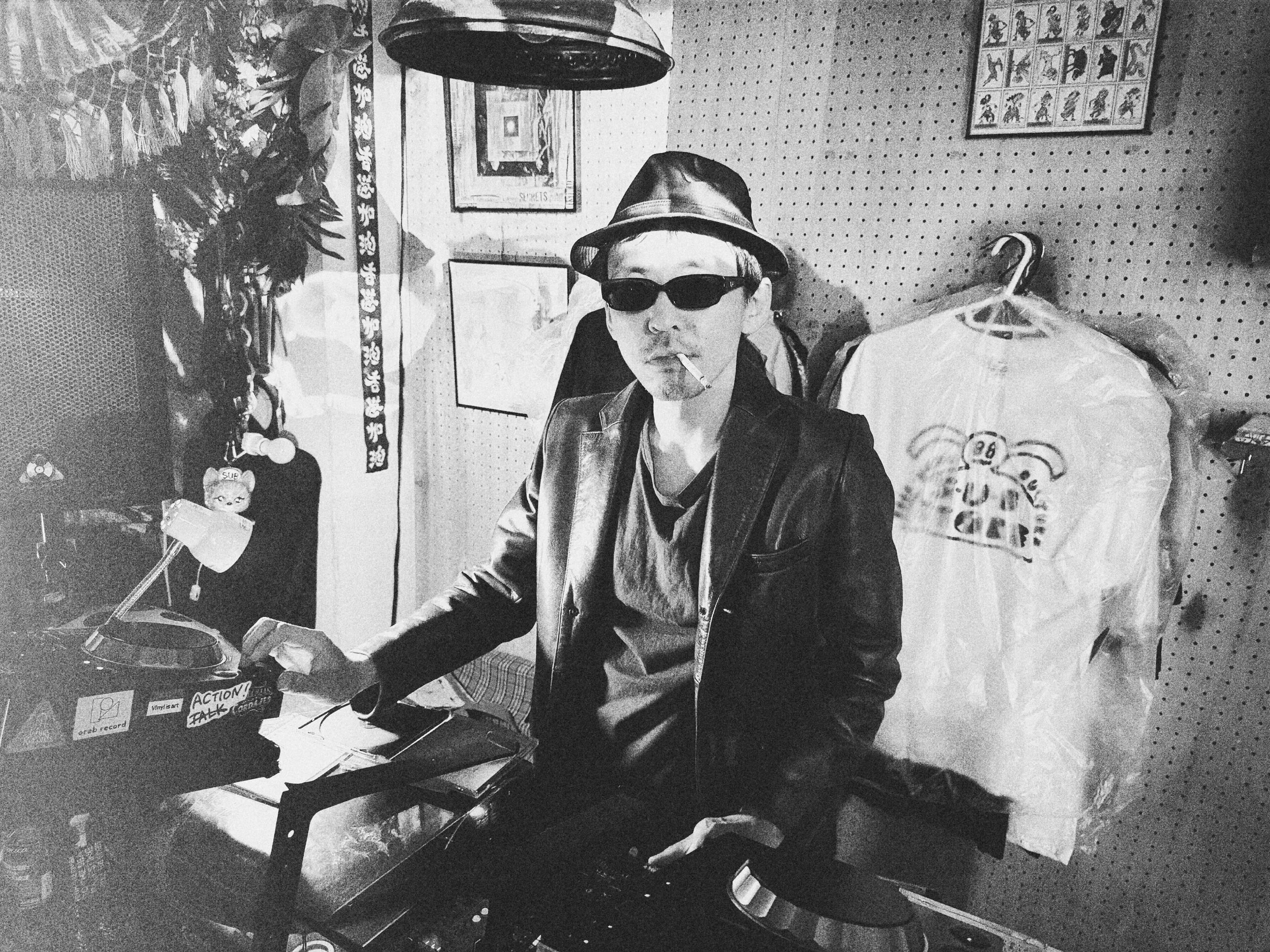
Afterwards, a guy wearing a “Molchat Doma” shirt buys our last record. Several Japanese people also come up to us to say how much they enjoyed the show. Some carefully search for English words, struggling to put together a sentence, but determined to tell us anyway.
There is something incredibly moving about this. The sincerity of it. The fact that someone wants you to know how your music made them feel, even when finding the words is difficult.
When we leave Substore, Andy comes rushing after us with a tiny envelope.
He gives us a big hug and thanks us for the performance with such genuine warmth. You can tell how much this little place, and the people involved in it, mean to him.
Outside, we start betting on how much money might be inside.
I say 5,000 yen.
Dominic says 7,000.
Back at the hotel, after we've finally wound down, we open it.
20,000 yen.
We stare at the money.
About 100 Swiss francs.
It’s the most we've received for any show on this tour.
We can hardly believe it.
Thank you, Koenji.
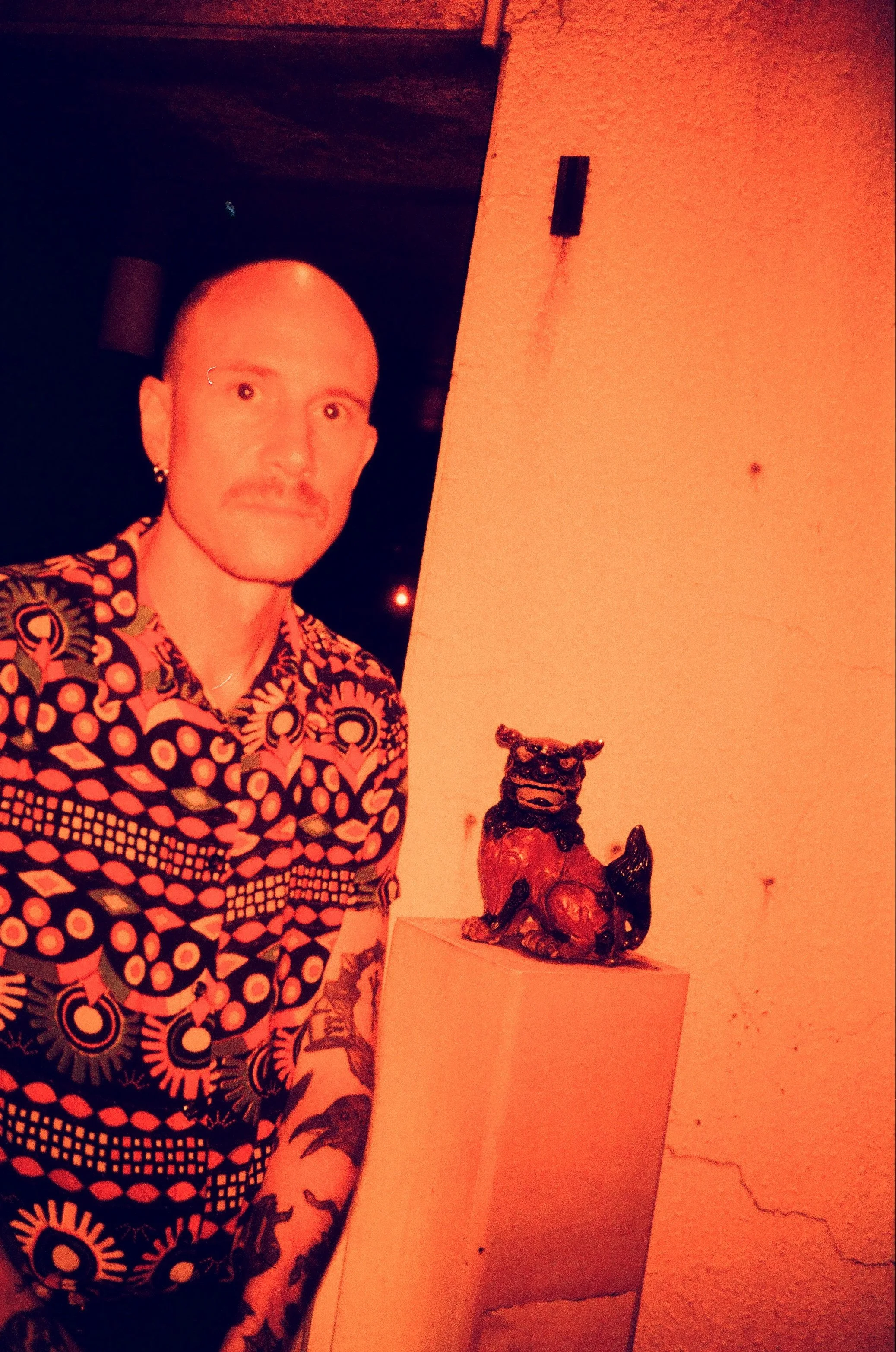
AFTERTHOUGHTS
Japan is an incredible country. I don't quite know how else to put it.
What struck us most was how alive the underground music scene felt. And how unpretentious. There was something wonderfully real about it all.
It reminded me of being a teenager, going to shows before I had an iPhone, before everything had to be documented and shared. When you went to a concert and that was it. You were there. You watched. You listened. You went home with whatever you could remember.
Nobody was busy recording a moment they weren't even really in.
And then there was the slowness.
Throughout the trip, I kept getting the impression that there was a particular appreciation for music that takes its time. Music that repeats itself, that builds slowly, that doesn't seem particularly concerned with entertaining you every three seconds.
On our last evening in Tokyo, we went to see a concert in a grimy basement somewhere. We were the only Westerners in the room.
Again, the most incredible sound system you could imagine.
The evening opened with a DJ called Soguragura, followed by another musician who would perform on guitar. The guitarist had no apparent social media presence, nothing on Spotify, and yet a room full of people had come to listen.
Soguragura had his setup right in the middle of the room. Not tucked away in some corner, but at the very centre of everything. For over an hour, he was the heart of that little basement.
He played experimental sounds, strange textures, and then, somewhere in between, songs like “Unchained Melody.”
It was so slow.
And nobody seemed to mind.
People stood there, eyes closed, moving ever so slightly. Nobody talked. Nobody seemed bored. Nobody was waiting for the beat to drop or for something more exciting to happen.
They just listened.
And it was so fucking beautiful.
Even now, thinking about that evening makes me a little teary-eyed.
Of course, I don't know whether this appreciation for slowness is a particularly Japanese thing. Maybe we just happened to find the people and places where this kind of music is loved. But we found them, again and again. And with them, a strange sense of nostalgia for something that wasn't actually gone.
We had booked every single show ourselves. No promoter, no connections, no real idea what to expect. Every show was a black box waiting to be opened.
And every time, something unexpected came out.
When Dominic and I returned to Switzerland, we both felt a strange sort of emptiness. Not because we didn't want to be home, but because something we had experienced so intensely was suddenly over.
I think we missed the people. The little rooms. The feeling that music could simply exist without constantly having to prove its worth.
This was Japan for us.