
Interview with Zabriskie
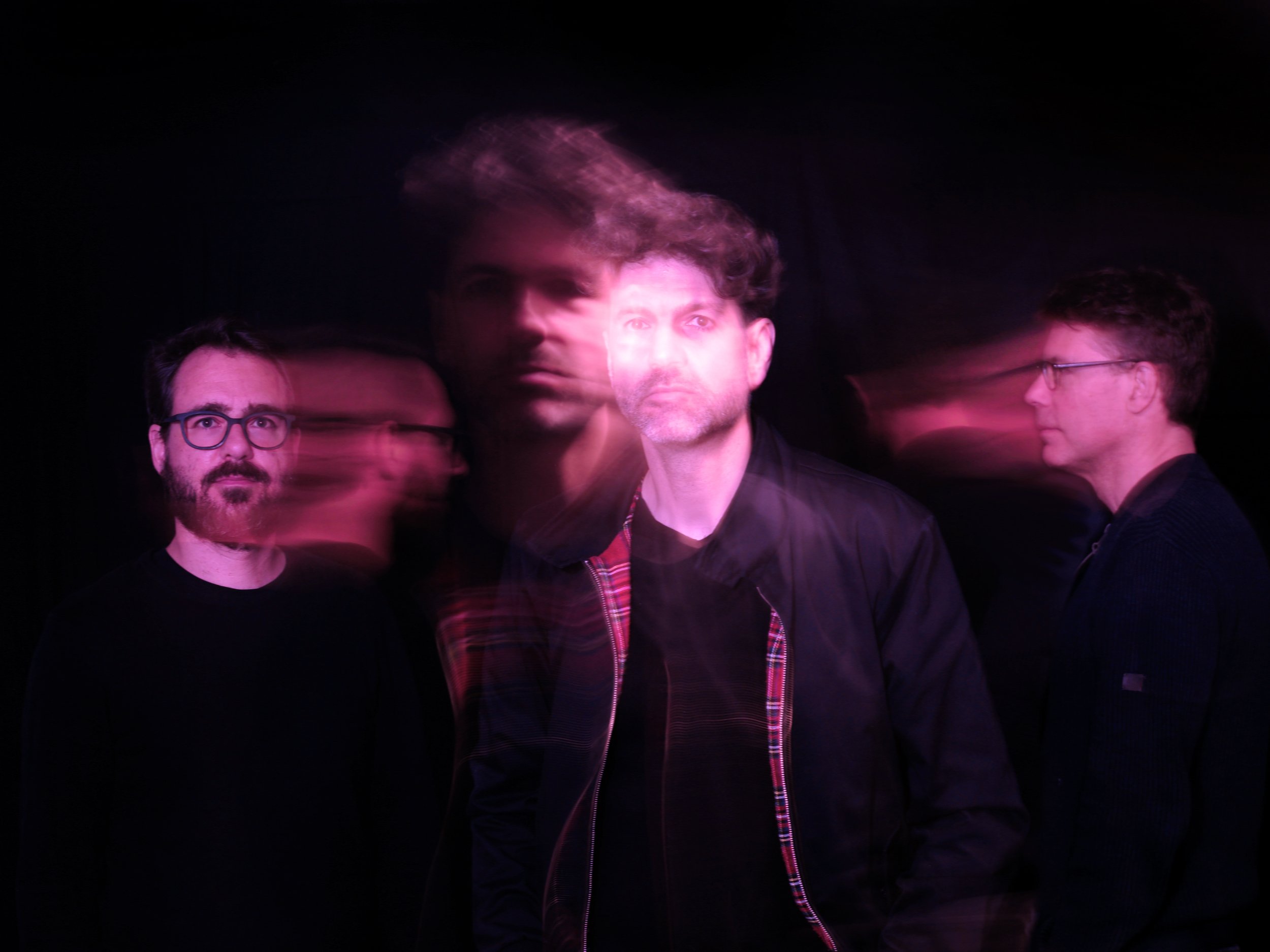
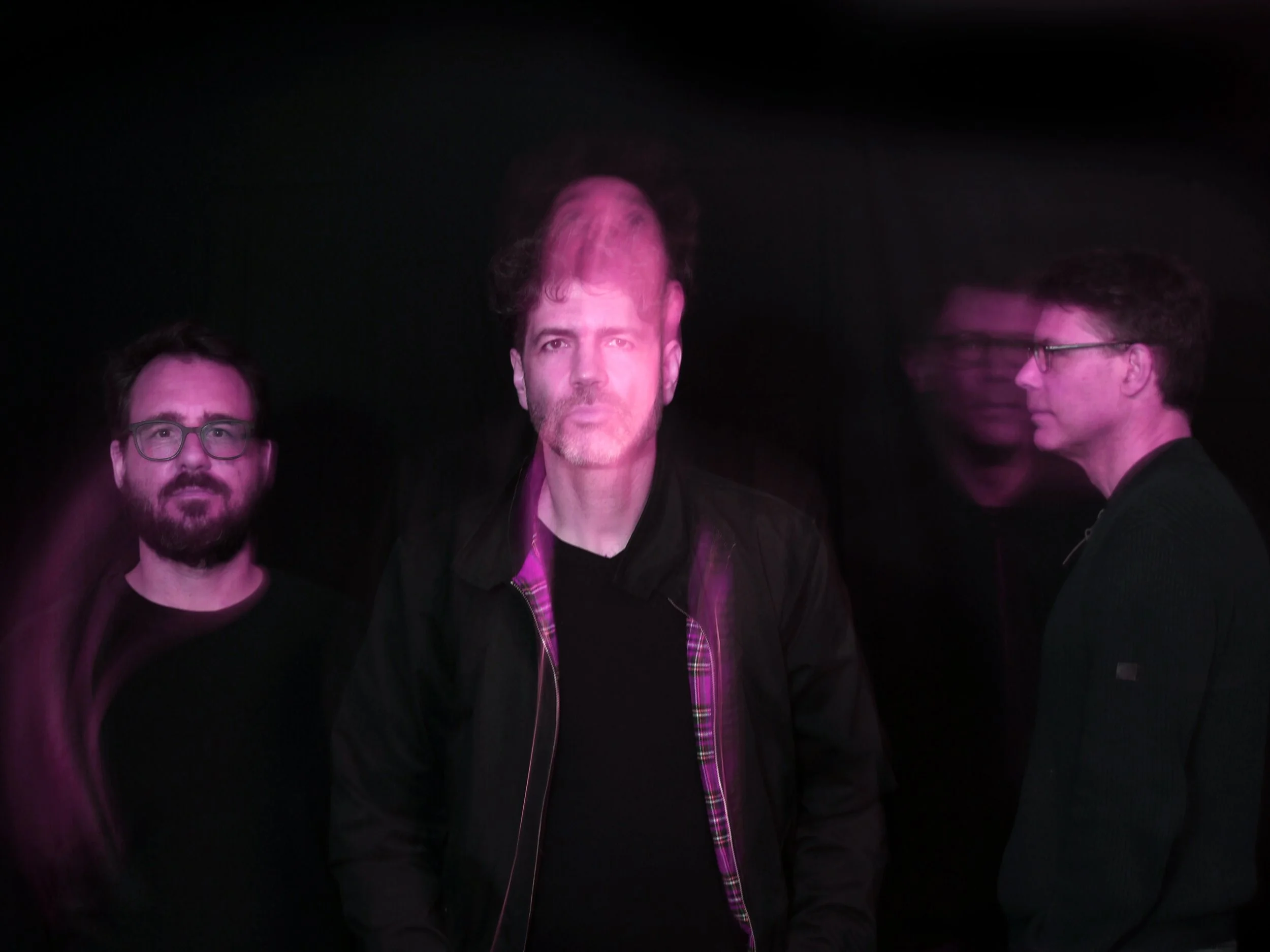
Zabriskie (l-r: Andy Hofstetter, Alex Herter, Andreas Vischer)
Zabriskie, the Zurich-based trio which mixes shoegaze and dream-pop, caught my attention with the fantastic EP, All Things Become Light. It would also go on to be named as one of my five dream-pop/shoegaze EPs to check out during the summer of 2025. The single, Changes, also appeared on the Spring 2025 playlist and its hallucinatory video was featured on the Spring 2025 music video playlist.
After being around almost a decade together, the band experienced a “re-birth” through the EP. Having found their trademark sound through meticulously crafted cinematic and dreamlike soundscapes using reverb and delay and by bringing in record producer and audio engineer, Slade Templeton, they were able to take their output to a whole new level.
At the beginning of June, Zabriskie released Ghosts In Time, the “sibling EP” to All Things Become Light. Through the singles, South Pacific and Once, I was already anticipating the upcoming EP and it did not disappoint. The band continue to explore their dream pop style and develop their arrangements even further. I find that there is a more up-tempo and distorted direction at times, but Zabriskie switch effortlessly back to the more laid back passages and intimate moments, which help define their sound, to give the five songs their own character.
In this interview, vocalist/guitarist, Alex Herter, replies to my questions about Zabriskie. I would like to thank him for the detailed answers!
History
Who's in the band? (Which instruments? Other previous/current projects?)
Zabriskie is Andy Hofstetter on drums, percussion and backing vocals, Andreas Vischer on bass and (me) Alex Herter on guitar, keys and vocals. We focus on Zabriskie and have currently no other projects going on.
Tell us about the history of Zabriskie.
The current lineup of Zabriskie developed gradually over a longer period of time and out of various different constellations. Our bassist Andreas and I played together in a band while we were students. Somewhat later, in another band, Andreas played with my cousin—who is also a guitarist—and Andy, our drummer. When that band eventually broke up, the four of us came together.
In 2014, the four of us recorded a first album as Zabriskie in a completely DIY way, purely for the fun of it. My cousin then left the band just as we decided to take things more seriously. As a result, the three of us—Andreas, Andy, and myself—more or less reinvented the band and its sound, or rather, we were forced to do so if we wanted to continue as a trio. That was challenging and very time-consuming.
What are your influences (musical and non-musical)?
As a band, and especially for me as the band’s songwriter, discovering shoegaze and dream pop was really a gamechanger. This started around 2016/17, when Slowdive released their reunion/comeback album and I saw them live at the Rote Fabrik, which was right about the time when Zabriskie started to become a more serious artistic project.
Maybe it’s interesting to know that the original shoegaze movement in the early 90’s never reached Switzerland back then. Grunge and Britpop were so much bigger, that Shoegaze was completety overshadowed here. It wasn’t until the shoegaze revival in the mid-2010s that I truly discovered bands like Slowdive, Lush, Pale Saints, and others.
That was a real revelation for me, because this sound fits my personality and temperament perfectly—especially in terms of my own music. Until then, I had never really felt at home in any particular genre; there was never a true sense of artistic identification. As a singer and guitarist, I realized that within the kind of soundscapes found in shoegaze, I could finally find a form of expression. From that moment on, I more or less knew what had to be done.
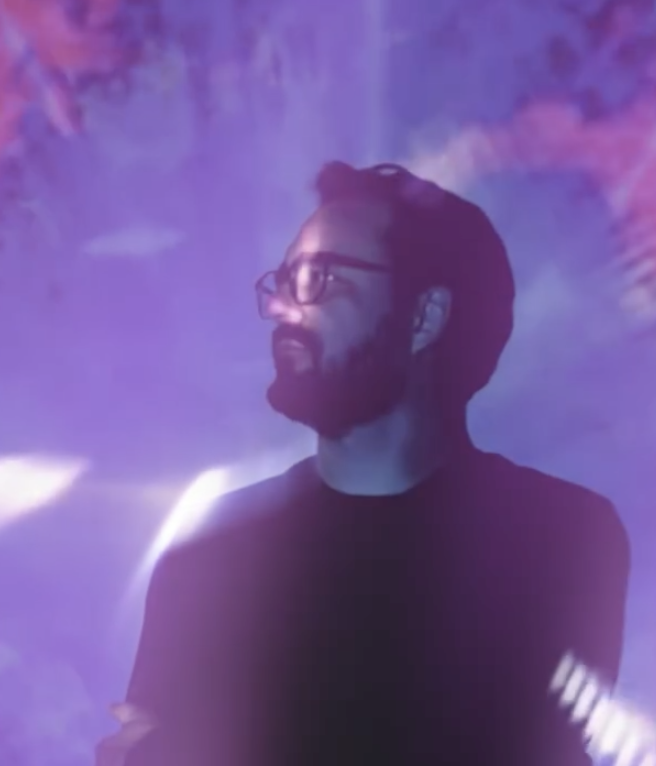
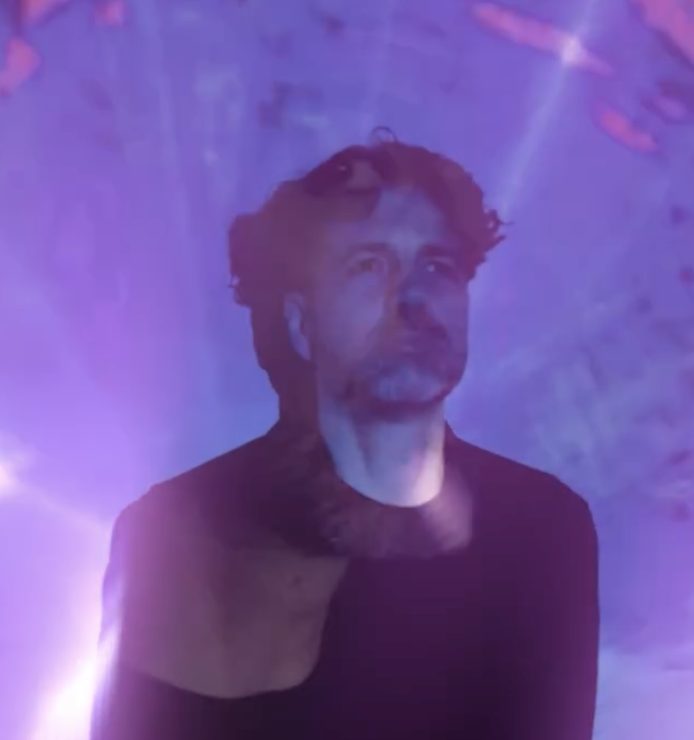
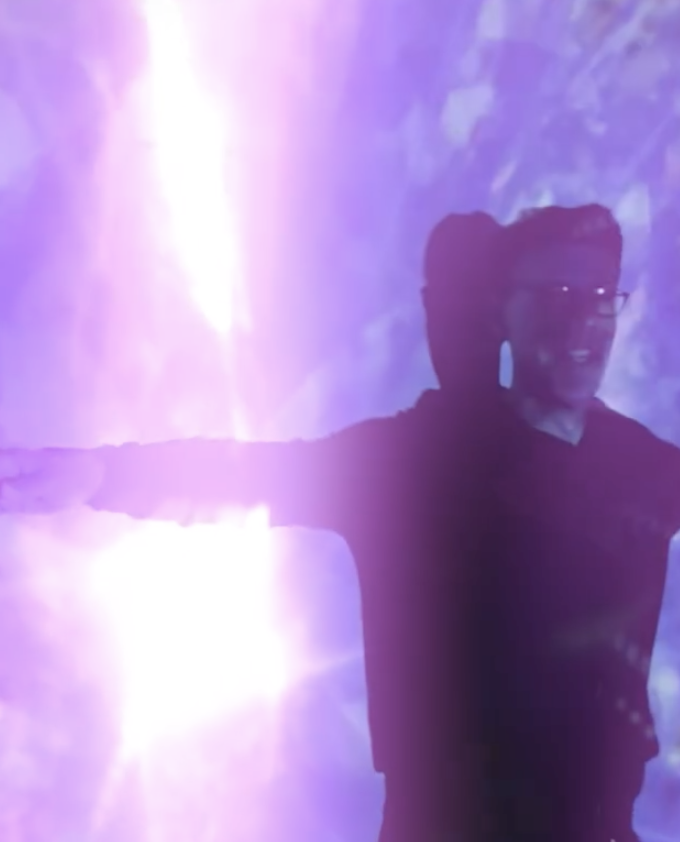
Of course, it still takes time to actually put all of that into practice, but in that sense we’ve already come an incredibly long way.
Another huge influence musically but also non-musically but artistically is Dream Pop and the films by David Lynch. I had already felt a connection to dream pop for a long time, because I was always deeply fascinated by David Lynch’s films and by the way he was able to combine an abyssal darkness with a sense of lightness and an apparent, surface-level beauty.
To name a third big influence would be Mogwai. Their epic approach to songwriting, their mostly instrumental post-rock, really inspired me to develop my own songwriting, even though we are not postrock in that sense. But to think about songstructures and dynamics in a song was very much influenced by Mogwai, and maybe post-rock in general.
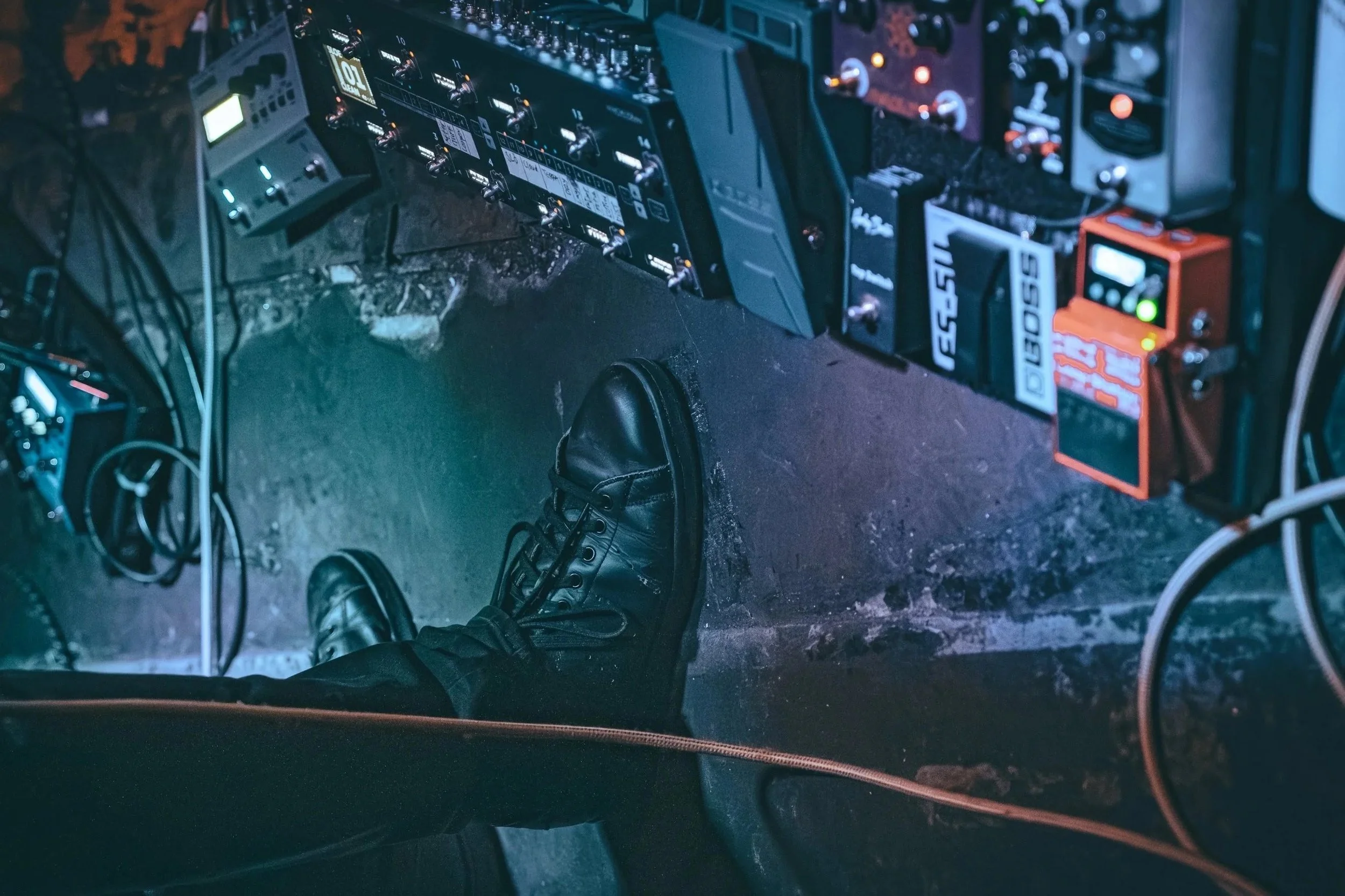
(Photo copyright: GianLuca Thut-Teofani)
How do you go about choosing which sound effects and pedals to use? How much time do you put in into exploring pedals and effects?
I love pedals and effects in general. My bandmates often tease me about the size of my pedalboard and how much it weighs, when my back hurts from carrying it to a gig.
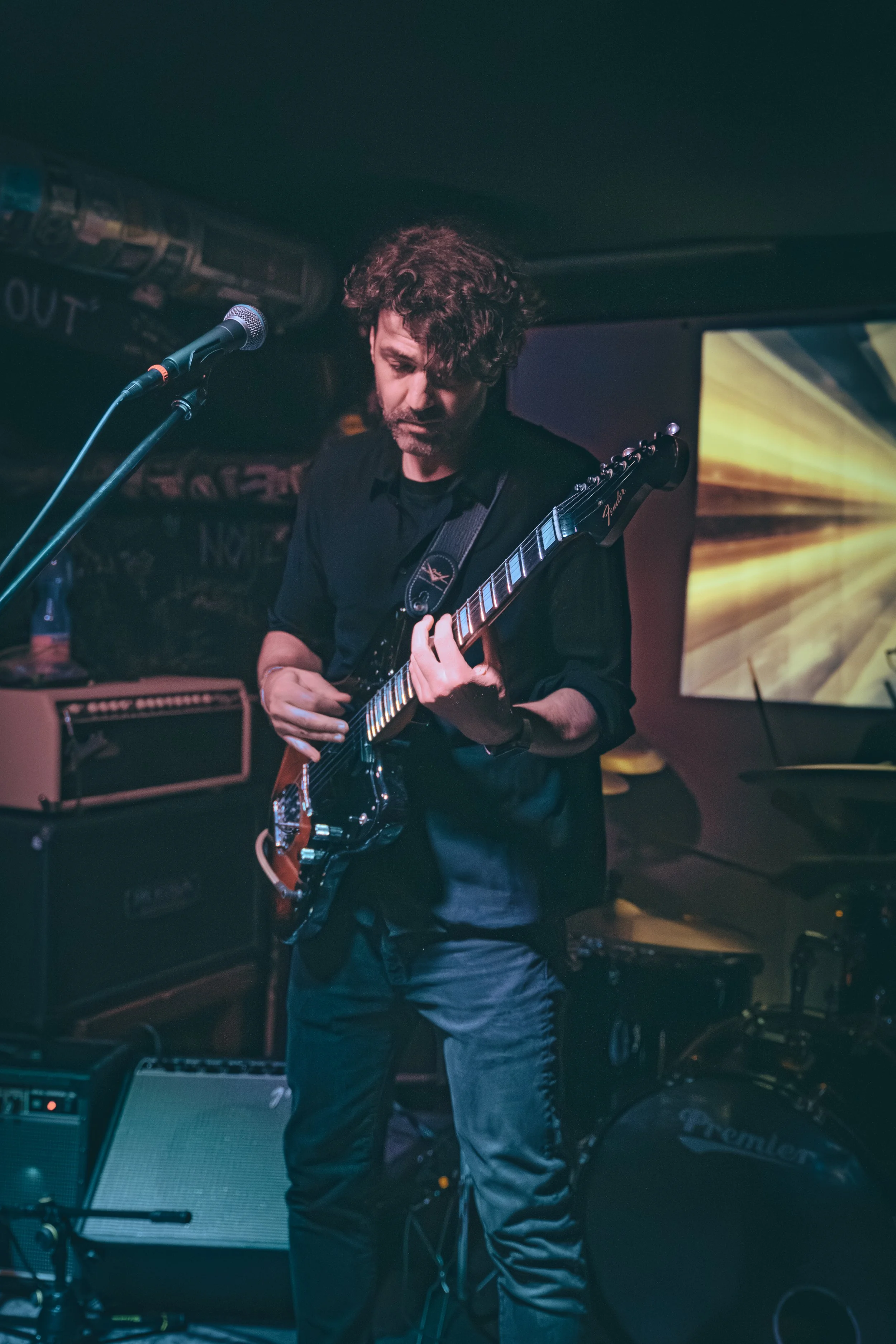
Choosing effects depends on what stage in the writing process a song is in when I am writing or composing. I developed a sound that I would consider my core guitar sound, which is made up not only of pedals, but of the guitar and the amps I play through. My main guitar is a Fender custom shop Jazzmaster, which I have been playing for about two years now. The story of this instrument would fill at least another page, so I leave it at saying, that it is really the guitar I have always dreamed of soundwise and how it feels to play it.
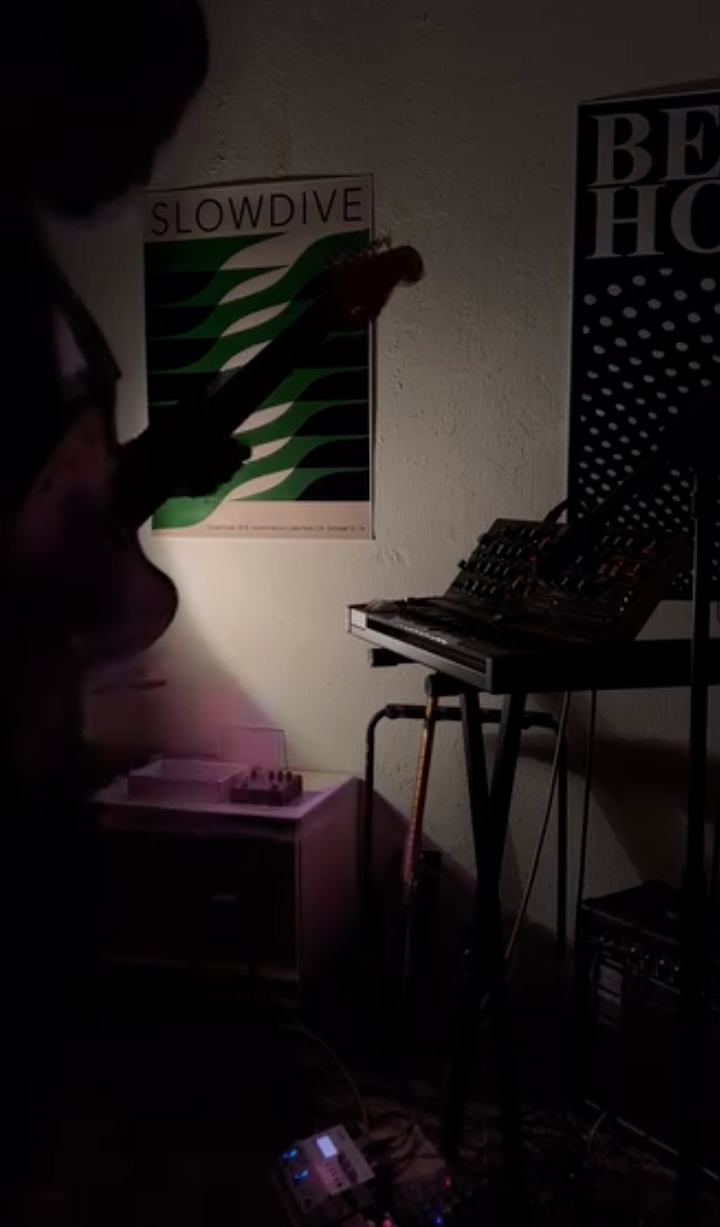
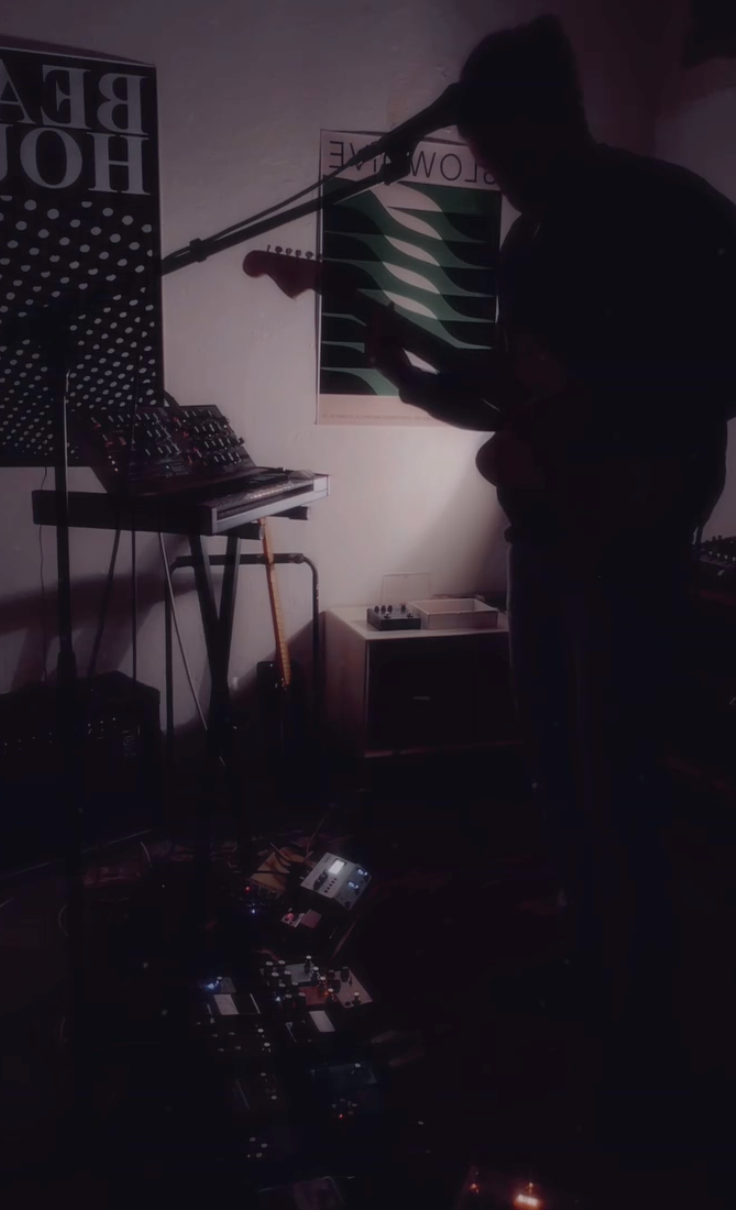
Over time I have gone through different amp set ups and arrived at a great solution in our context with a wet-dry-wet stereo rig, using two Roland Jazz Chorus Amps as the two stereo left and right amps. Additionally I use a Fender Princeton style amp in the middle as dry amp, which helps to retain some of the guitars attack when using a lot of reverb and effects on the wet amps. The Jazz choruses are solid state amps, whereas the Princeton is a tube amp. I found that tube amps are harder to use with a lots of reverb, like I do, in the sense that they tend to start to distort unpleasently when lots of heavy reverb is being pushed into the tubes.
For pedals, my core sound consists of a fairly clean guitar sound into a Dimension-C Chorus paired with the chorus built into the Jazz Chorus amps and a large Hall reverb. Before the modulation I use a compressor going into pre-amp pedal, which is set rather clean. To wash things out and add stereo dimension I use the Walrus Audio Slö in stereo. For distortion I use a mixing pedal in front of the distortion pedal, where I can blend the clean guitar signal in parallel with the distorted signal. I found that when using only direct distortion that the sound caves in on itself due to the large amount of compression that comes when engaging the distortion pedal. The clean sound has much more dynamics and therefore the sound stays loud enough when blended with the distortion. With this setup I manage to replace a second guitar on stage with just my single guitar, which I found is needed to get this shoegaze sound I want live.
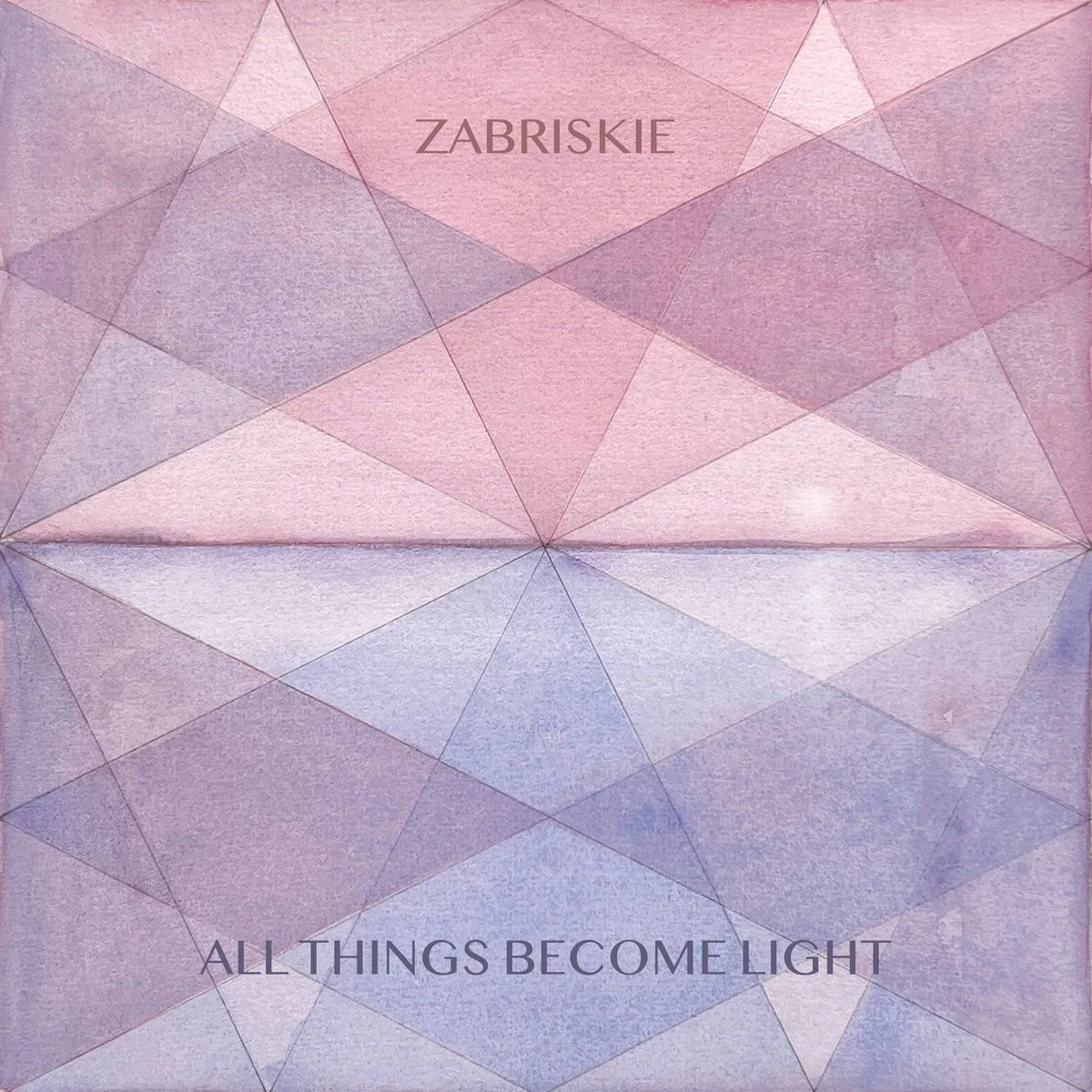
All Things Become Light
What was your mindset when you started writing the songs for the EP? How did you approach the writing and the recording?
By the time we decided to start recording new songs, there were ideas and demos around for more than an album length record. However, we decided to split up the songs and make two EPs instead. We realized that our way of recording takes a lot of time and doing an album of maybe 10 songs would take us way over a year to produce. This way, we would be able to release stuff earlier and not disappear for too long a time. Also we could try play some gigs in between. We find it hard to switch from a recording to a rehearsing for gigs state of mind too often.
The album Darklight was produced right a time when I got really into Shoegaze, but didn’t really know yet how to achieve the sound needed. Also, the songs then were not written with a shoegazy sound in mind, especially using distorted guitar in conjunction with my vocals was something I struggled with in my head for a long time. But with the new songs and having worked on guitar sounds a lot, I believed an evolved sound was possible.
For me, I always saw these two lines of Shoegaze existing in parallel, best embodied by My Bloody Valentine for a grittier, heavier side and Slowdive for a more dreamy, ethereal side. Personally I leaned always more towards the Slowdive side and I wanted to have this Dreampop aspect in the songs, strongly influenced by Beach House, resulting in what is hopefully our own version of Shoegaze.
What lessons did you keep in mind from your previous recordings?
Being a trio, we always focused on not overproducing our recordings in a way that we would not be able to reproduce them live. That was something I struggled with at first, to deliberately dispense with additional layers of sound, adding more instruments etc.. But since playing live as a band was always a main goal for us, this just wasn’t an option. With Darklight we carefully added some things here and there, just enhancing the overall sound and production in a barely noticeable way, so that when we play the songs live, they still convince stylistically.
The album Darklight was completely self produced, i.e. recorded, mixed and mastered. We knew at the time, that this is not ideal, but the budget was limited and we really felt the DIY approach was fitting where we were at as a band. With All Things Become Light we wanted to go a step further and see what kind of results would come from working with a professional engineer. It was such a great choice to start working with Slade Templeton.
What was the experience like recording at Influx Studios?
The EP was actually not recorded at Influx Studios but in our own studio/rehearsing room.
Since the beginning of the band, we’ve been recording ourselves. That means we set up a kind of home studio — not with a fully professional claim, of course, but for our purposes it’s actually very well equipped. We’ve repeatedly sought support from professional studio engineers who have assisted us on site with microphone placement and acoustic questions. The advantage of this setup is that it allows us to work without any time pressure and refine the recordings for as long as we want. Of course, it’s a big wish of ours to record in a real studio at some point — and we definitely will — but for now, this approach feels right for us.
What are your memories when looking back at the writing and recording?
The way we recorded until now was always a lengthy process. It was not like this week-long session where we got together and recorded everything in one run. The recordings for All Things Become Light took place over the course of several months, starting in early Summer 2024 and lasted until the end of 2024. Along the way we released a couple of singles, so we finished the tracks not all in one turn, which seems to be a kind of risk, because things could be spreading apart, but with Slade Templeton as our mixing engineer, we were sure, it would all fit together in the end.
The writing too took place over a long period of time, I could not even tell you when it started. Sometimes I work on songs for years. Especially the lyrics always take a very long time and only with recording coming to a finish and vocal tracks needing to be final, I bring them into their form. Often the songs exist for a long time without real lyrics, just meaningless sounds or murmur.
Were you involved with the mixing and mastering to achieve the result you wanted it or did Slade Templeton understand what you were looking for?
Up until All Things Become Light we did not work with an external mixer. I am very interested in the production side of things and it was learning by doing. However, as things progressed, I started to hear the differences and nuances in mixes and what it takes to bring something to a certain level. For each release we want to go one step further and so it was the natural next step to ask a professional mixer. A friend, who has a promotion agency and works for radio stations and is a musician himself, mentioned Slade Templeton to us, because he thought Slade would be a perfect fit for us, soundwise. And he was absolutely right, Slade really connected with our music and really brought it to the next level. I was able to sit in with him at Influx studio and we went through all the gear there he uses for post-production. He actually runs the mixes from the DAW out to analog gear like compressors, for example, to get that specific shoegaze sound, and then back into the DAW.
How do you feel about the end result? Anything you would have done differently?
We are still very happy about the outcome. It’s the first time we said, we truly found our sound. Being perfectionists, you always find tiny things here or there, but they’re not hurting anything. They make it real and alive. We believe our sound is not about sonic perfection, it should still sound like a band playing rock music, and we don’t try to erase minor imperfections and streamline everything. A certain rawness is intentional.
Tell us about the artwork to the album. How was it created?
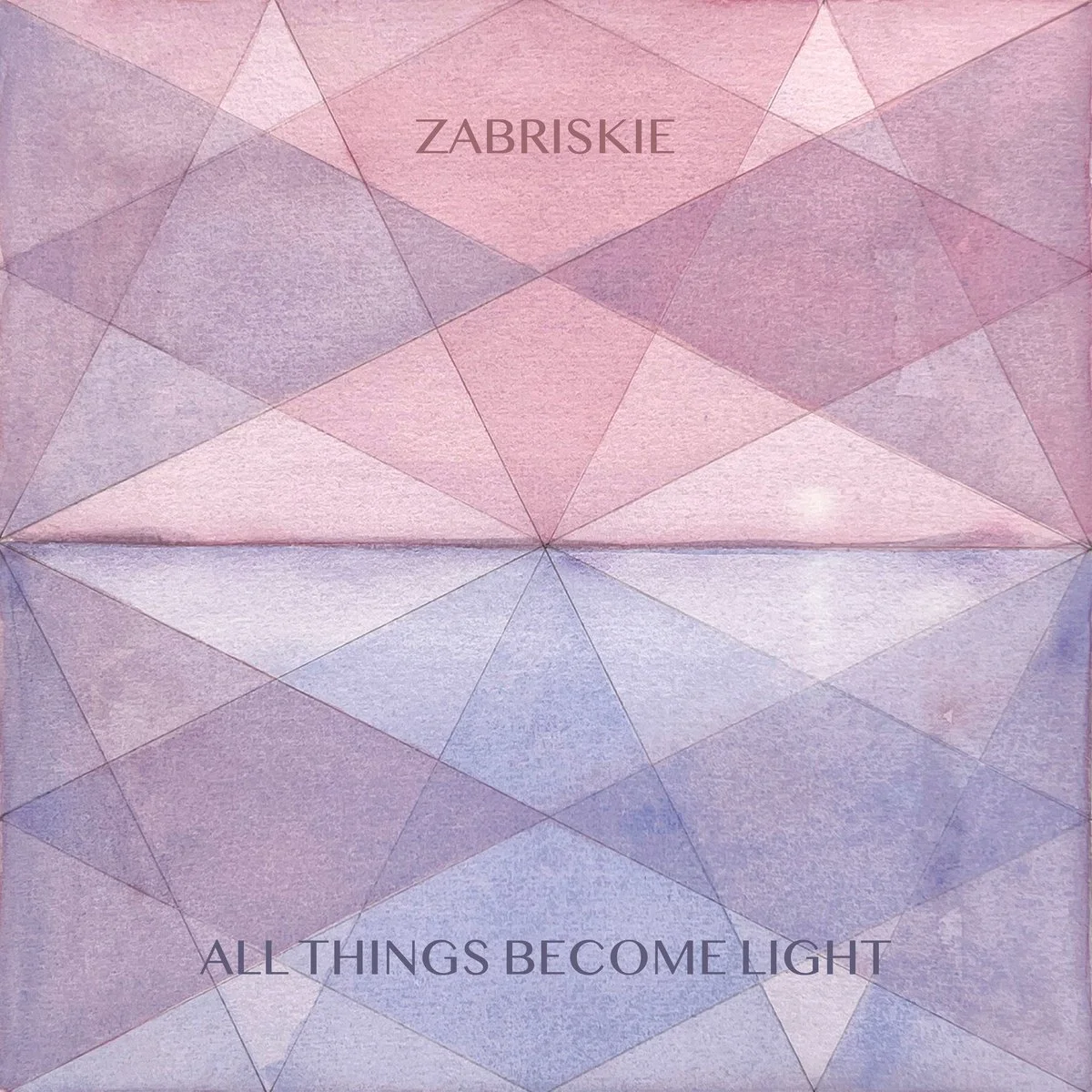
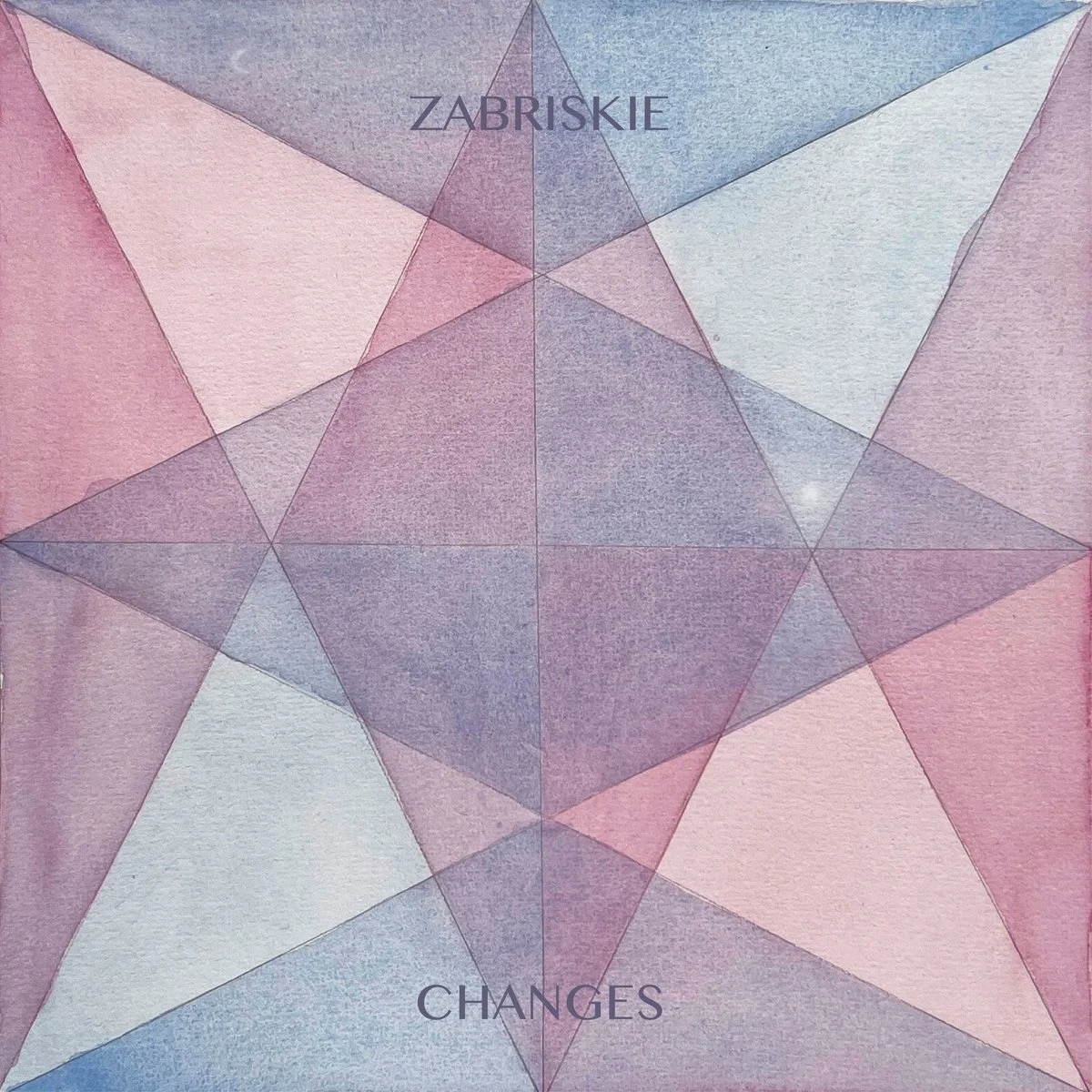
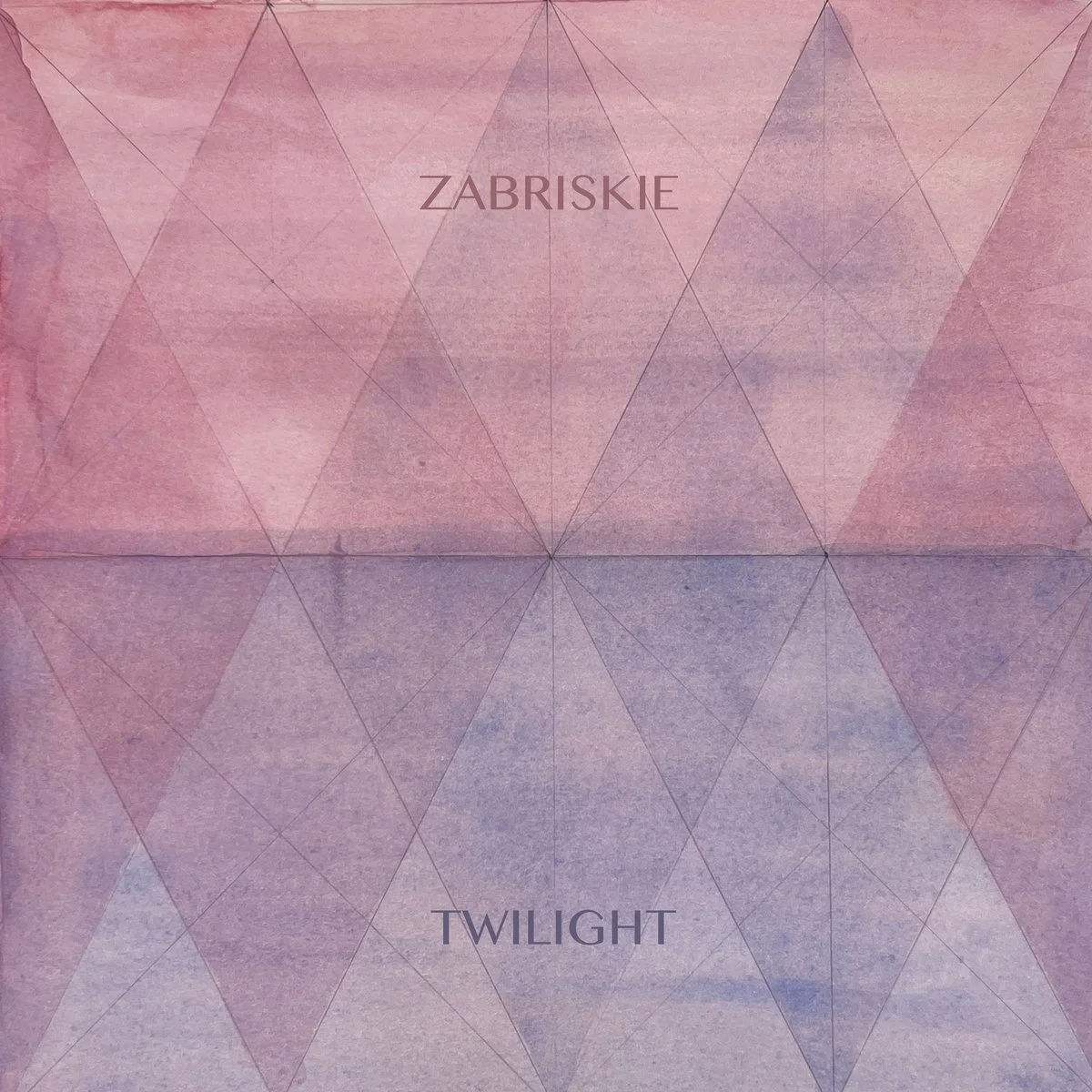
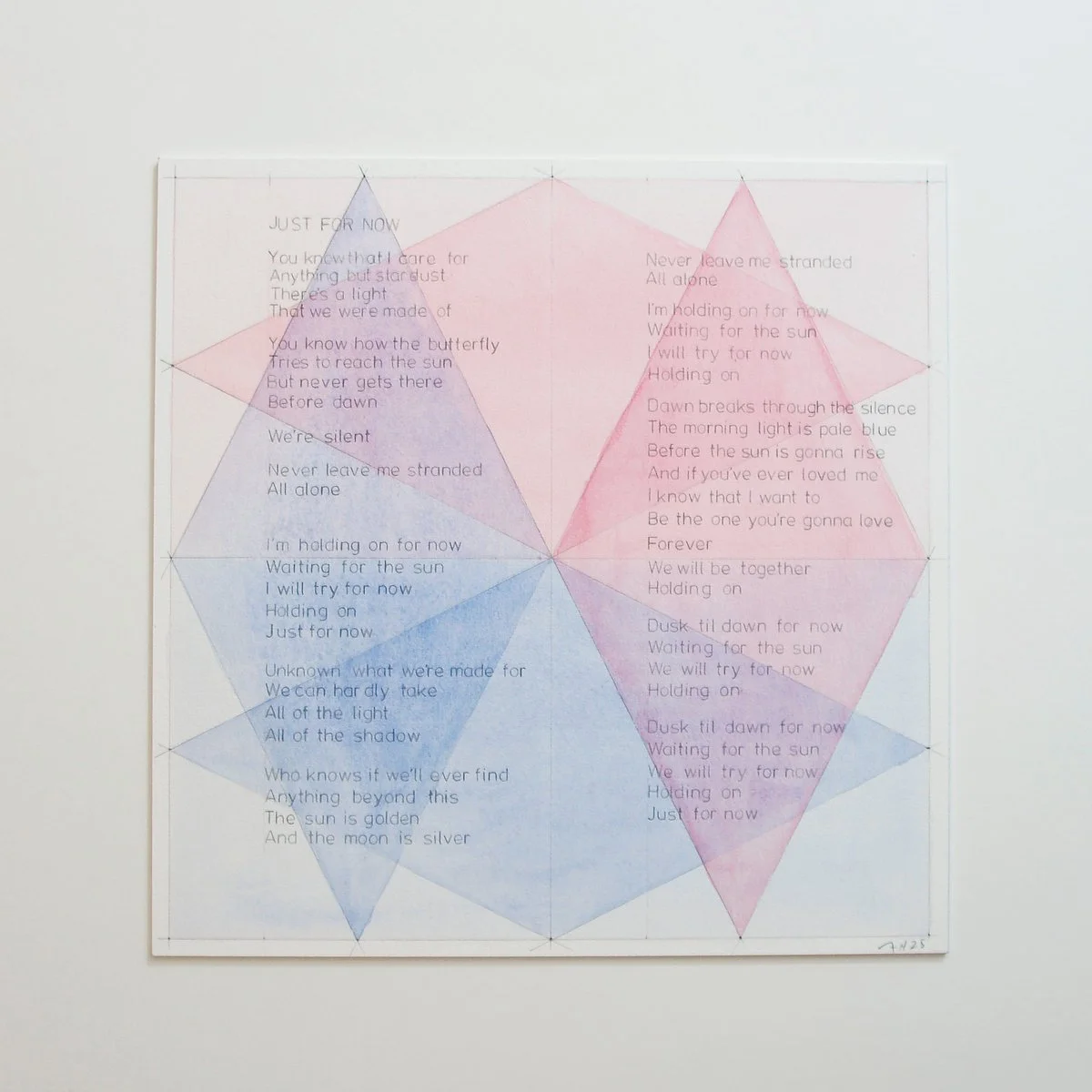
With my architectural and fine arts background, I have been searching for a long time how to bring everything together, music, drawing and painting. The artwork for All Things Become Light is really the first version of this idea. If you look at it closely, you maybe notice the fine pencil lines that outline the rhomboid shapes painted with watercolors. They stem from architectural ideas about proportions and partitions. As an architect, I have studied a lot of ancient theories about proportions and music and architecture share a lot of these ideas. It is no coincidence that the guitar string goes up a whole octave at exactly the middle point of the distance between saddle and bridge.
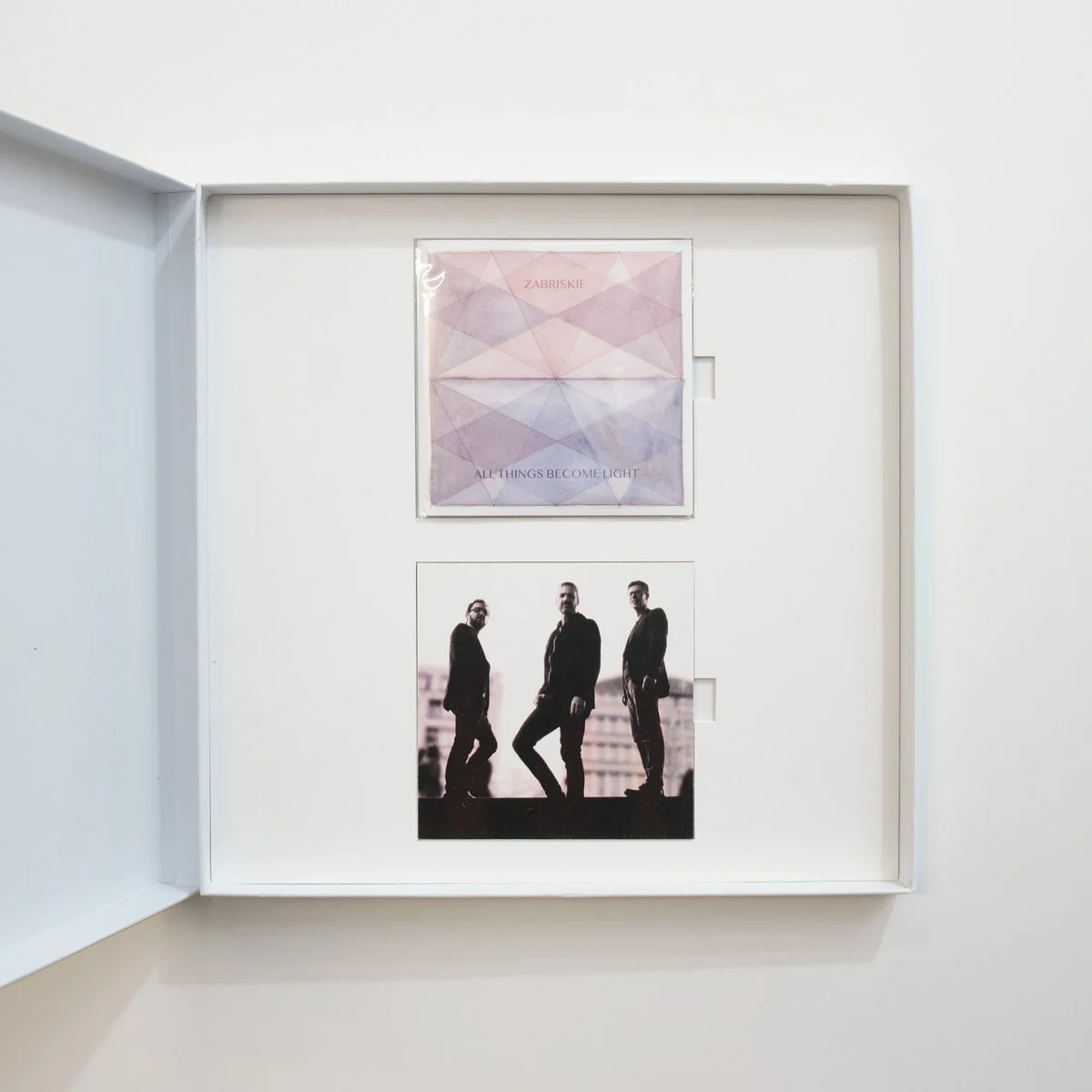
You also released a limited edition boxset of the EP - where did the idea come from?
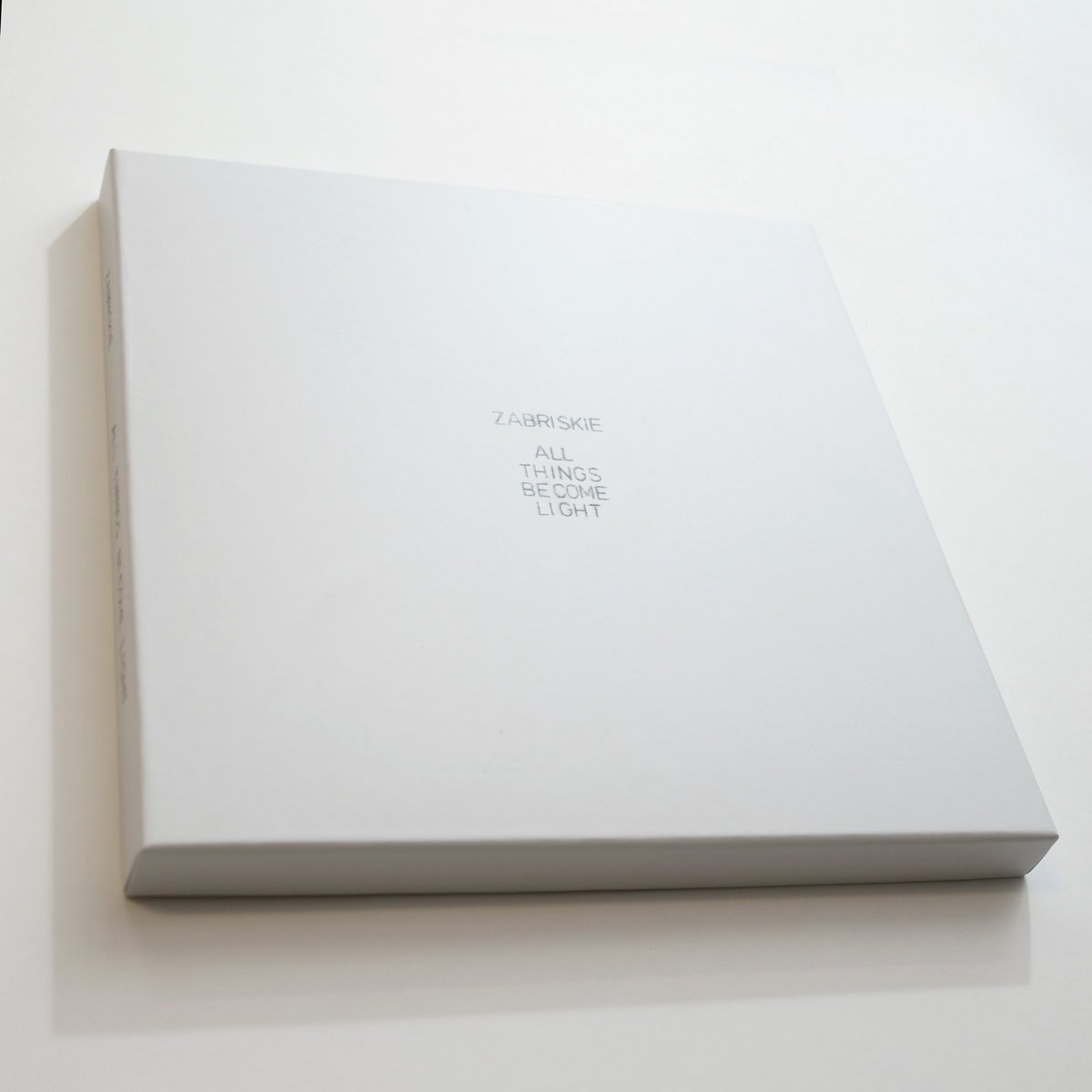
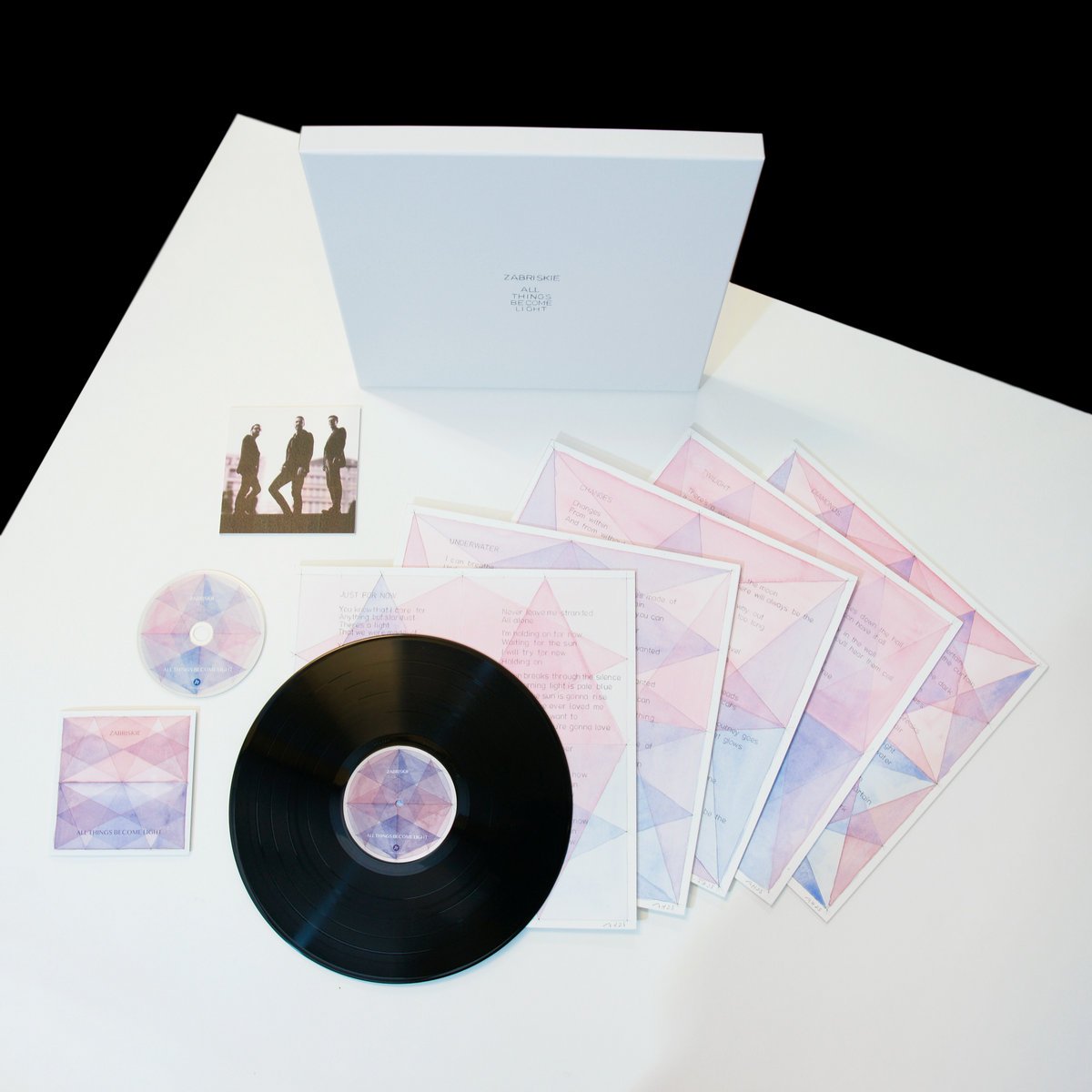
The idea of the collector’s box started when I finished all the watercolor paintings, one for each song and one for the cover of the EP, which I scanned and used for the digital artwork.
We love vinyl and we’ve been wanting to release music on vinyl ever since we started. To make it complete, I started experimenting with handwriting the lyrics of the songs on top of the watercolors. However, only when I realized that by using my old architectural lettering stencils, it would aesthetically work and also fit the architecture-art-music-concept, I was finally sure I could realize the collector’s boxes.
To accompany the EP, you also released videos for Changes and Diamonds - how did you make the videos? What are your thoughts about them?
The first video for All Things Become Light was for the song Twilight. It was the first time for me experimenting with a special AI-program specifically for music videos. I had the idea of turning the watercolors into three or actually four dimensions by creating a moving virtual space one could enter. I uploaded the scanned watercolors as the starting reference and also the song as wav-file. The program is trained to analyze the music, the visual structure of the painting and the lyrics and interprets them. For Twilight, I was overwhelmed by the sheer possibilities of the AI to create these fantastical city- and landscapes and let it do for much of the whole video its own thing.
Only when working on the next video for Changes, learned how to manage the program better, so it would actually stay closer to my own aesthetic vision and the initial watercolor painting. And with Diamonds, I was able to go even more in the direction of a narrative, an actual storytelling, corresponding with the lyrics of the song, which is why I integrated the actual written out lyrics in the video.
Ghosts In Time
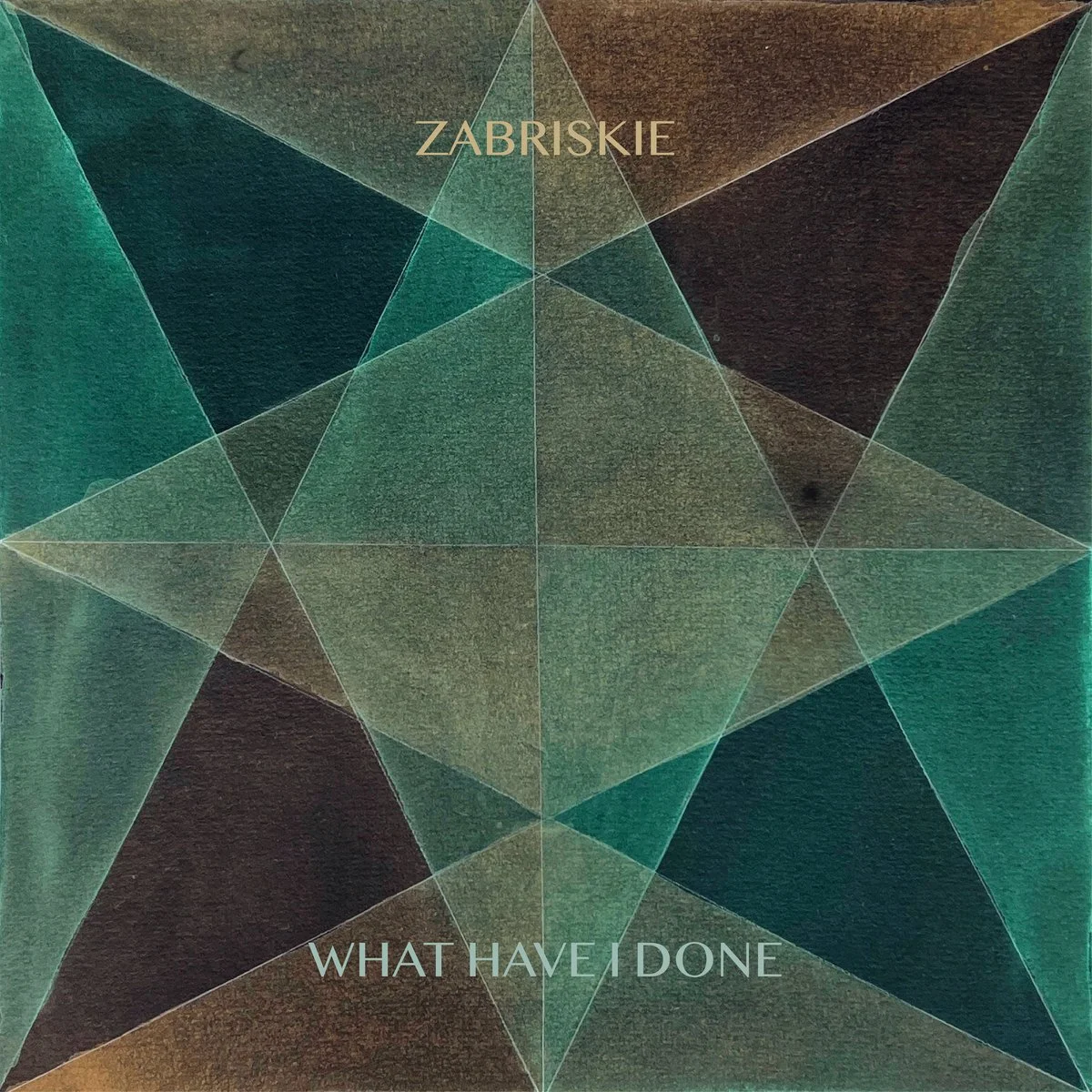
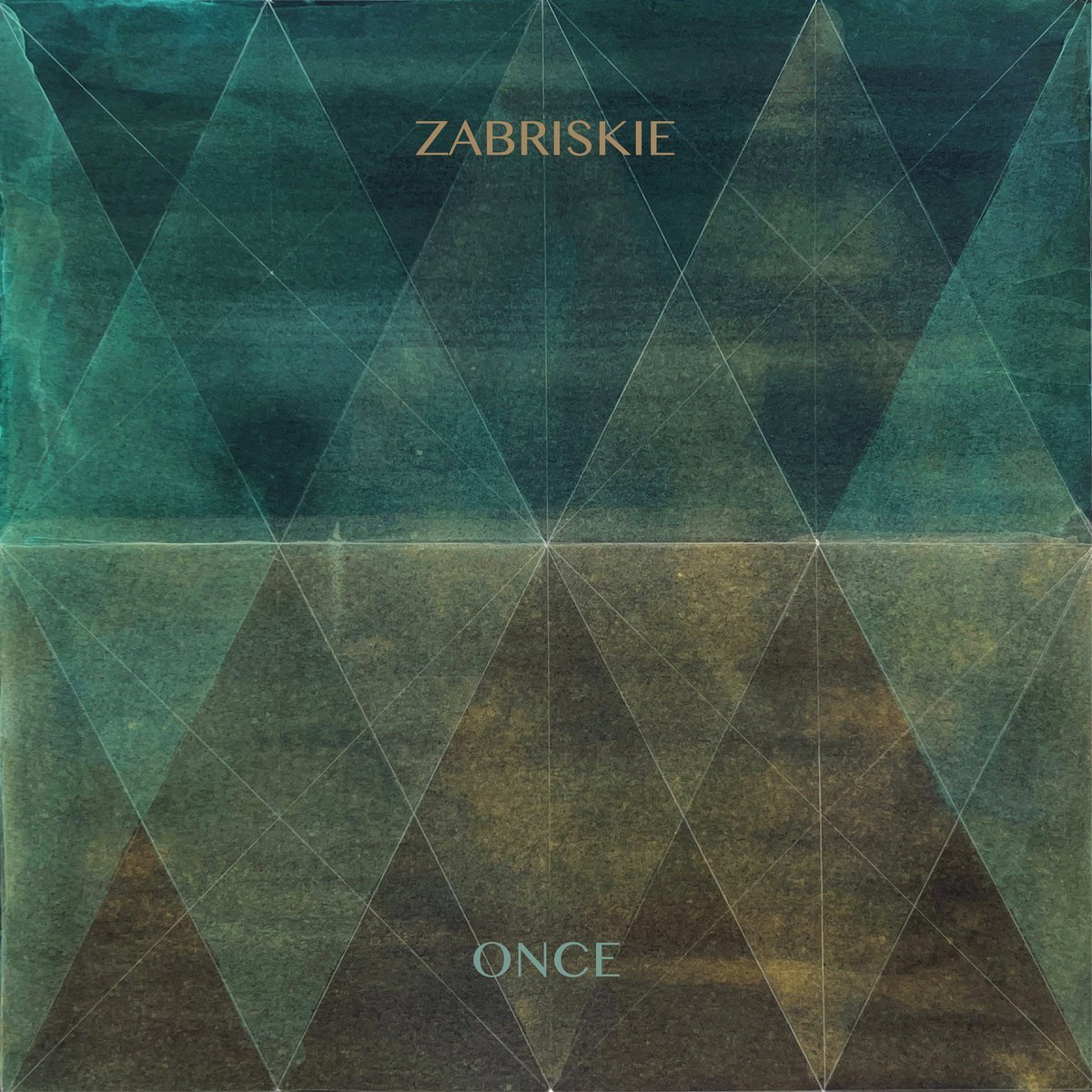
With the artwork, we see already a similarity between Ghosts in Time and All Things Become Light, how would you describe the link between the two?
Like I mentioned above, the two EP’s were born of the idea to abandon the album project and do two EP’s instead. So they are like siblings in a way.
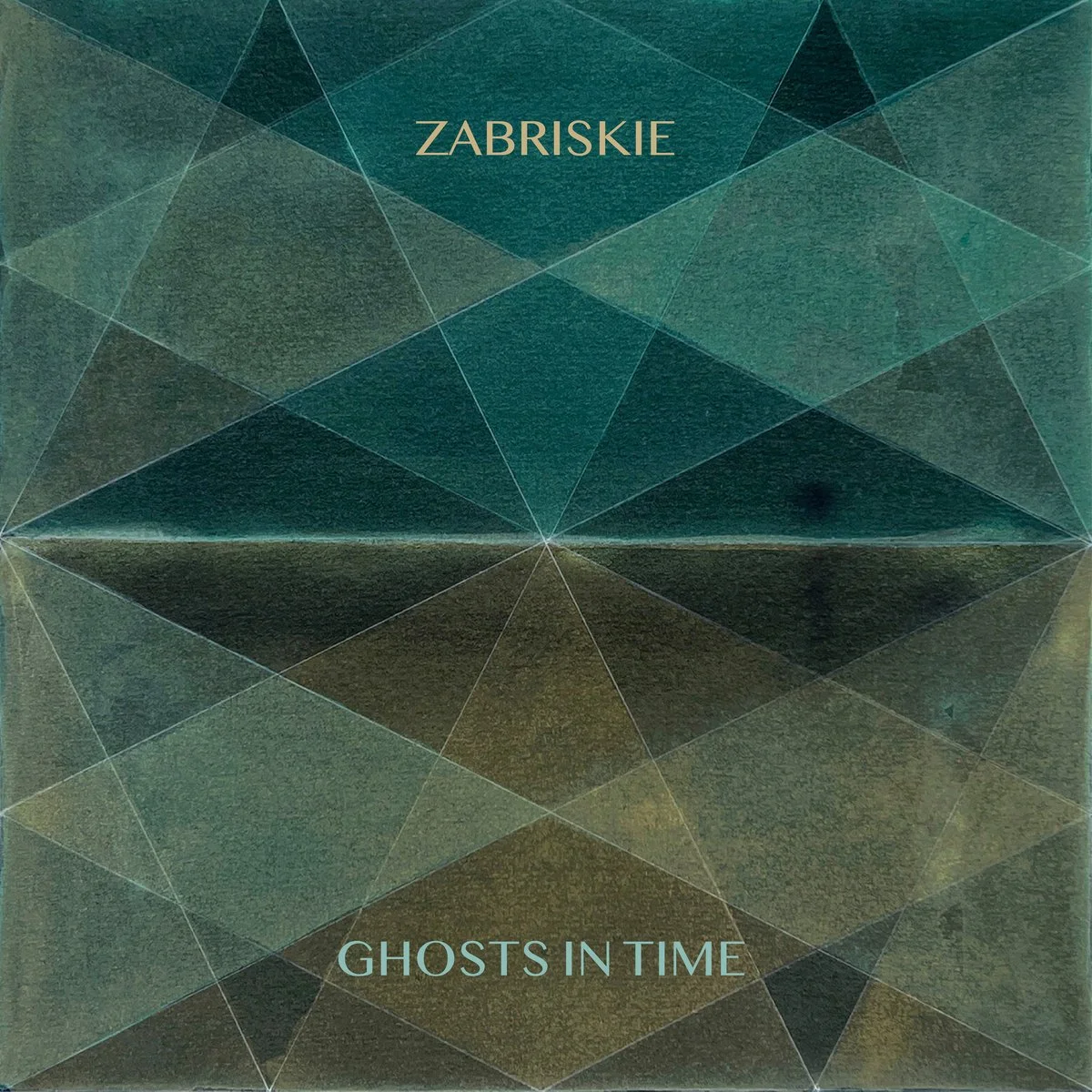
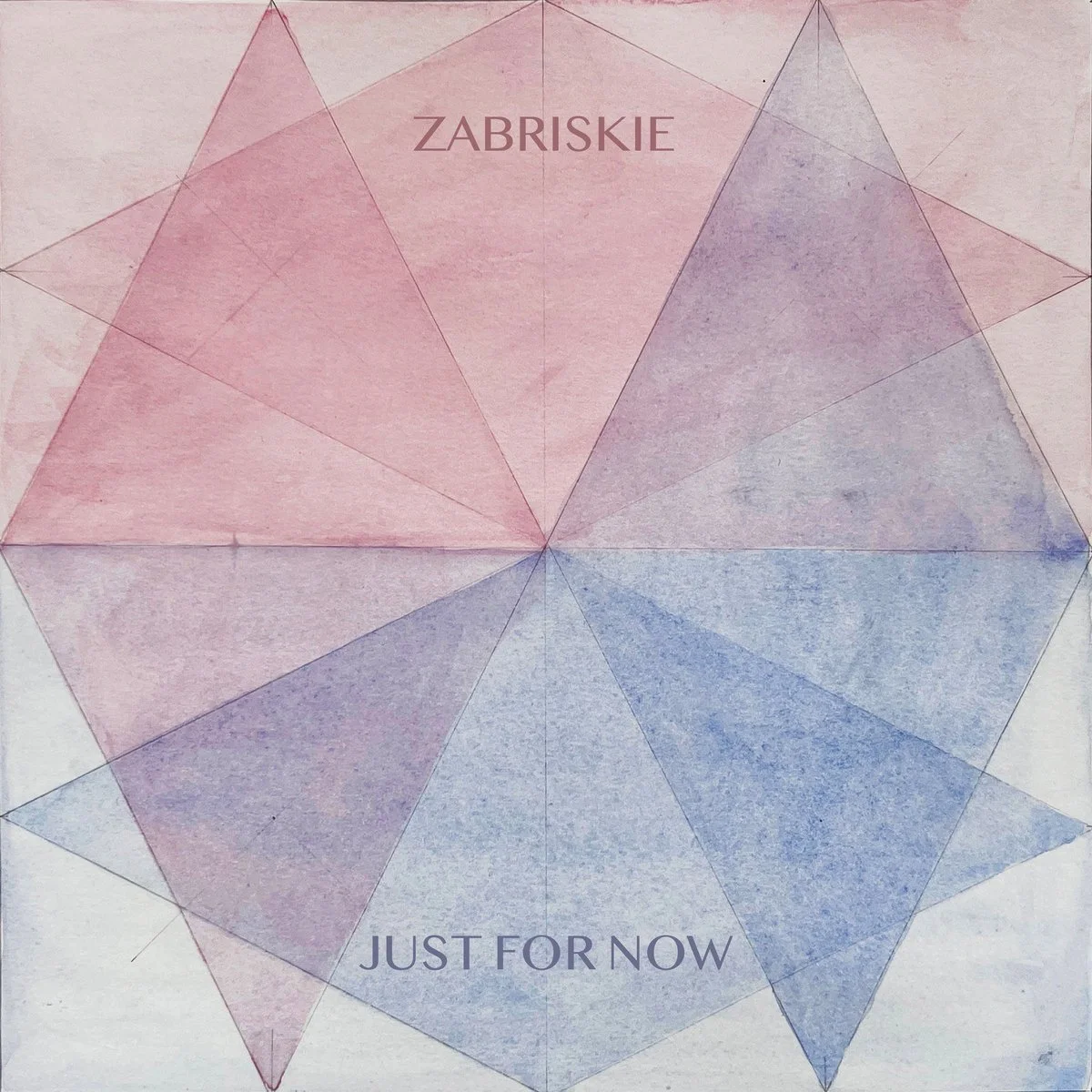
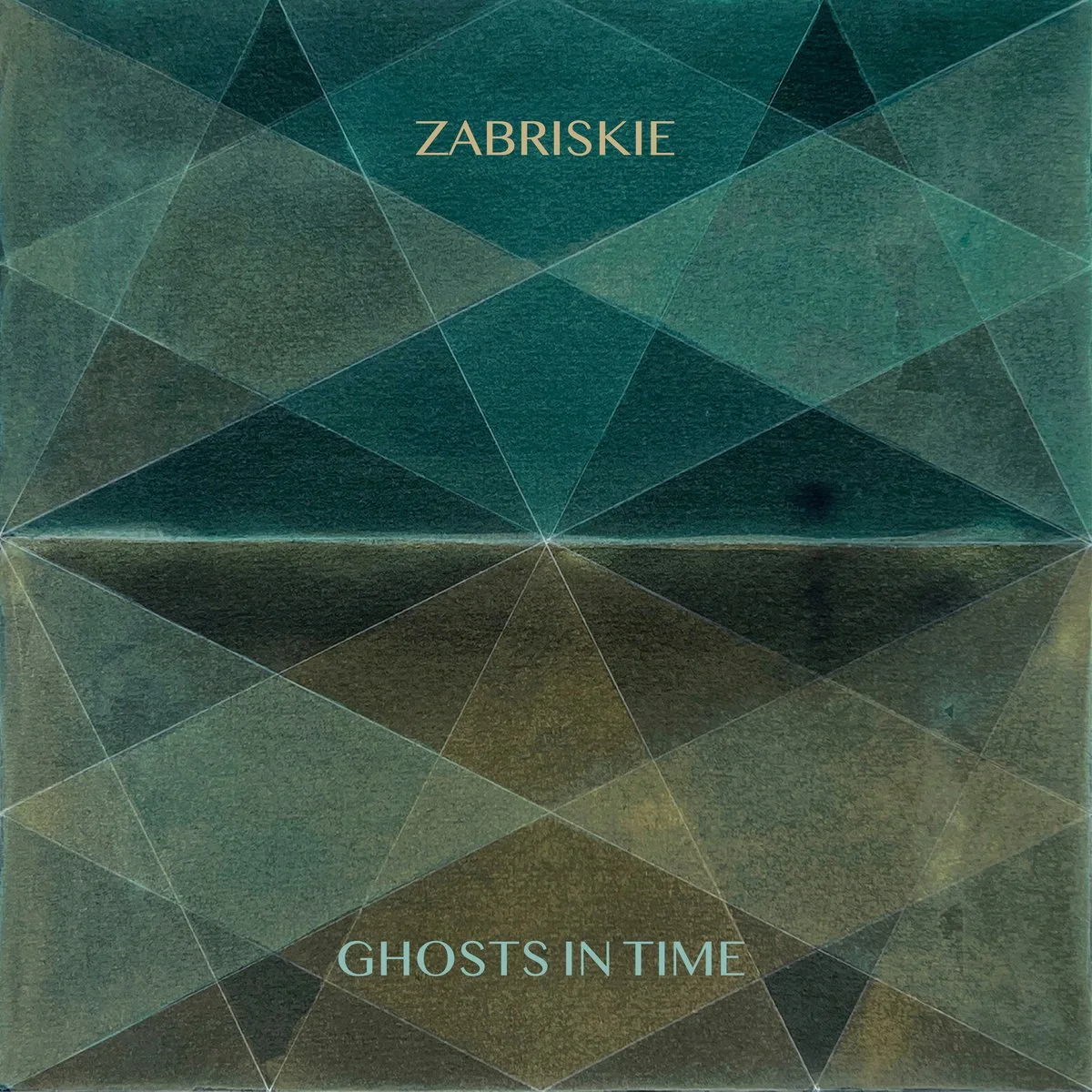
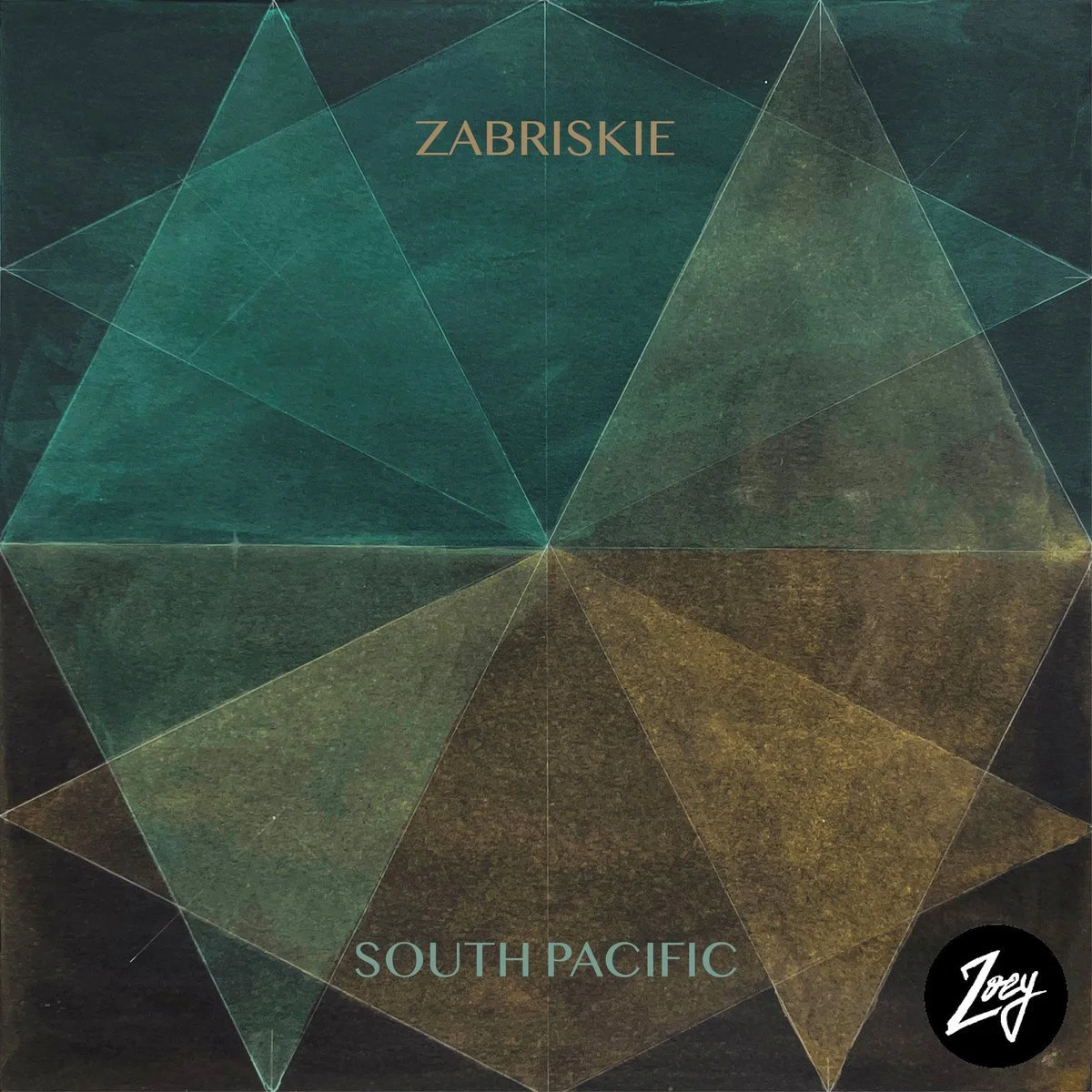
This is also reflected in the artwork. When I started working on Ghosts In Time, it became quickly clear to me that the artwork needs to reflect this relation to All Things Become Light. I wanted to do something similar but with a different colour palette. I tried several things with watercolor and scanned it to use it on the computer. At one point working in Photoshop I tried the command “invert“ on one of the scans from the watercolours for All Things Become Light. I instantly knew this was it, the result was exactly what I was looking for. The fact that, conceptually, the artwork for Ghosts in Time is an exact inversion of the artworks for All Things Become Light only confirmed it for me. So we used the concept of inversion for all the singles and the EP artwork. All of the covers for Ghosts In Time are exact inversions of the ones we used for All Things Become Light.
If one looks at them carefully, maybe you notice that they could not have been done manually, I mean with watercolors and pencils, even though they look like they are handmade. But the glow of these darker shades of green and umbra would not be possible to do with watercolour, because the background is black and watercolours only work on bright or white backgrounds, obviously.
How would you describe the difference in sounds between the two?
In regards to the recording process and also for the mixing and mastering, we decided together with Slade, to do it the exact same way as for All Things Become Light. This way the concept of the siblings-EP’s would remain intact.
However, the songs themselves are quite different on Ghosts In Time. For us, when we work on songs, each of them develops its own identity and starts to sort of dictate how it wants or needs to be. So instead of always applying the same sonic approach to each song, they all have their own sonic landscape they live in, even though they are part of the same world, so to speak.
How were you able to keep the songwriting for the EPs apart?
It was a natural process guided by the timeline. Even though the rough ideas for all of the songs were there before we started recording All Things Become Light, the main work was done only for those songs first and only later, after All Things Become Light was released, the actual work on the songs for Ghosts In Time began. The way I write, especially the lyrics only finalize very late in the process, so there was no overlap between the two EPs in this regard.
What are your memories of the recordings this time round? What did you retain from your experience with All Things and implemented in the recording?
The recording for Ghosts In Time was essentially the same as for All Things Become Light. A difference was that we were actually more efficient and were able to reduce recording time and amount of sessions for Ghosts In Time because of the experience we gained working on All Things Become Light.
Also, this time we did put some outside pressure on ourselves, because we decided to do promotional campaigns with two different agencies. For such campaigns you have deadlines not only for the final song files but also for assets like videoclips etc. accompanying the music. This pressure was good and made us focus on the production in a creative way.
How was it to work with Slade Templeton?
It felt very natural and the logical step for the production. He is such a smart and artistically gifted person that it feels like he becomes a band member, whenever we work with him.
Also, he is very grounded and straight forward, which really helps keep things tight and efficient.
How does it feel to have released the second EP? What are your thoughts about Ghosts in Time?
It feels great. We are really proud of the work and are looking forward a lot not only to see the results of the campaigns, but to play the songs live too of course.
Do you have any plans for a limited edition vinyl or music videos for the EP?
We will have CDs of Ghosts In Time available soon. Also there will be tape cassettes made to order. A vinyl edition is not planned at the moment, not because we wouldn’t like to, but because it’s just too expensive. I am thinking of doing another collectors box set, where a vinyl copy will be included.
(Photo copyright: GianLuca Thut-Teofani)
Live/general/future
What do you have planned for the near future?
We will start playing gigs after the summer break. One is planned for September.
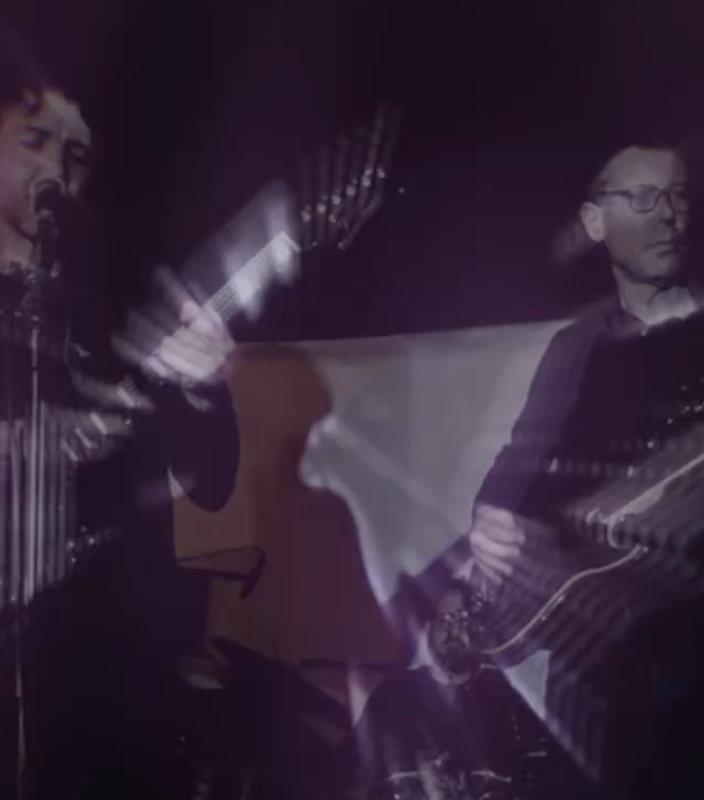
We are currently working on our live set up. Already with All Things Become Light we started using backdrop videos on our live sets, and we got great feedback for that. It enhances our cinematic approach to sound a lot. It makes it easier for listeners to immerse and dive into the music. So we want to expand on that and start using backing tracks for some of the songs, partly for additional sounds but also for having the visuals align timewise with the music. This can only be done with in-ear-monitoring, which is something we started using at rehearsals lately. It’s quite a different acoustic with in-ears and it takes a while to get used to.
How has the reception been for the two EPs?
What has happened since the release of All Things Become Light has been incredible. Of course we hoped for this, but never expected things to develop in the way they did. It’s so cool to see that we slowly grow a fanbase also outside our relatives and friends. Especially with shoegaze being such a niche genre, it is so important to reach people from not only our region but from all over the world. With social media this has become possible even for such small bands like us. As of today, when I’m writing this, the first results of the campaigns for Ghosts In Time are starting to show and they are amazing for a band of our size. It’s great to see that there are shoegaze fans out there that connect with our music.
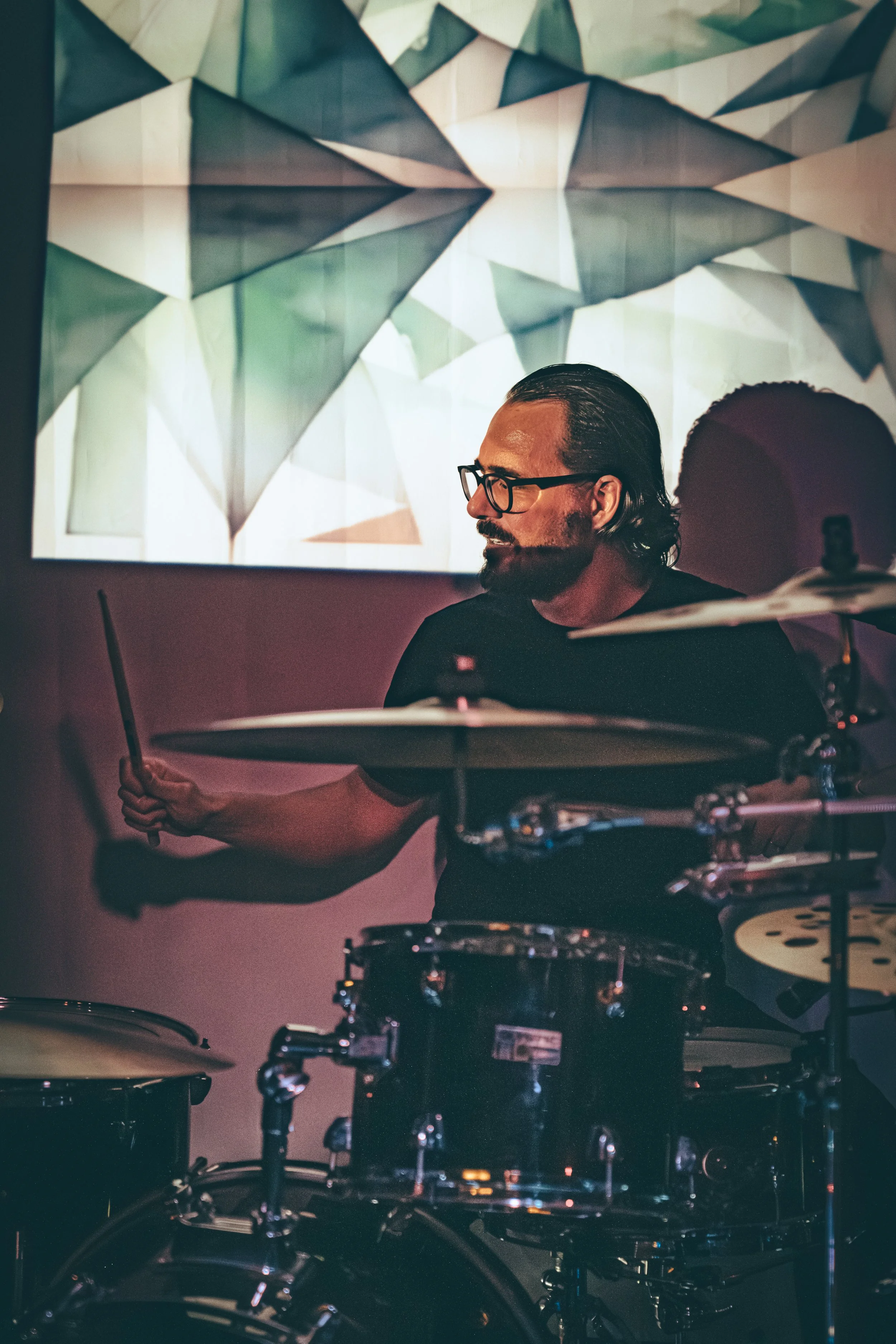
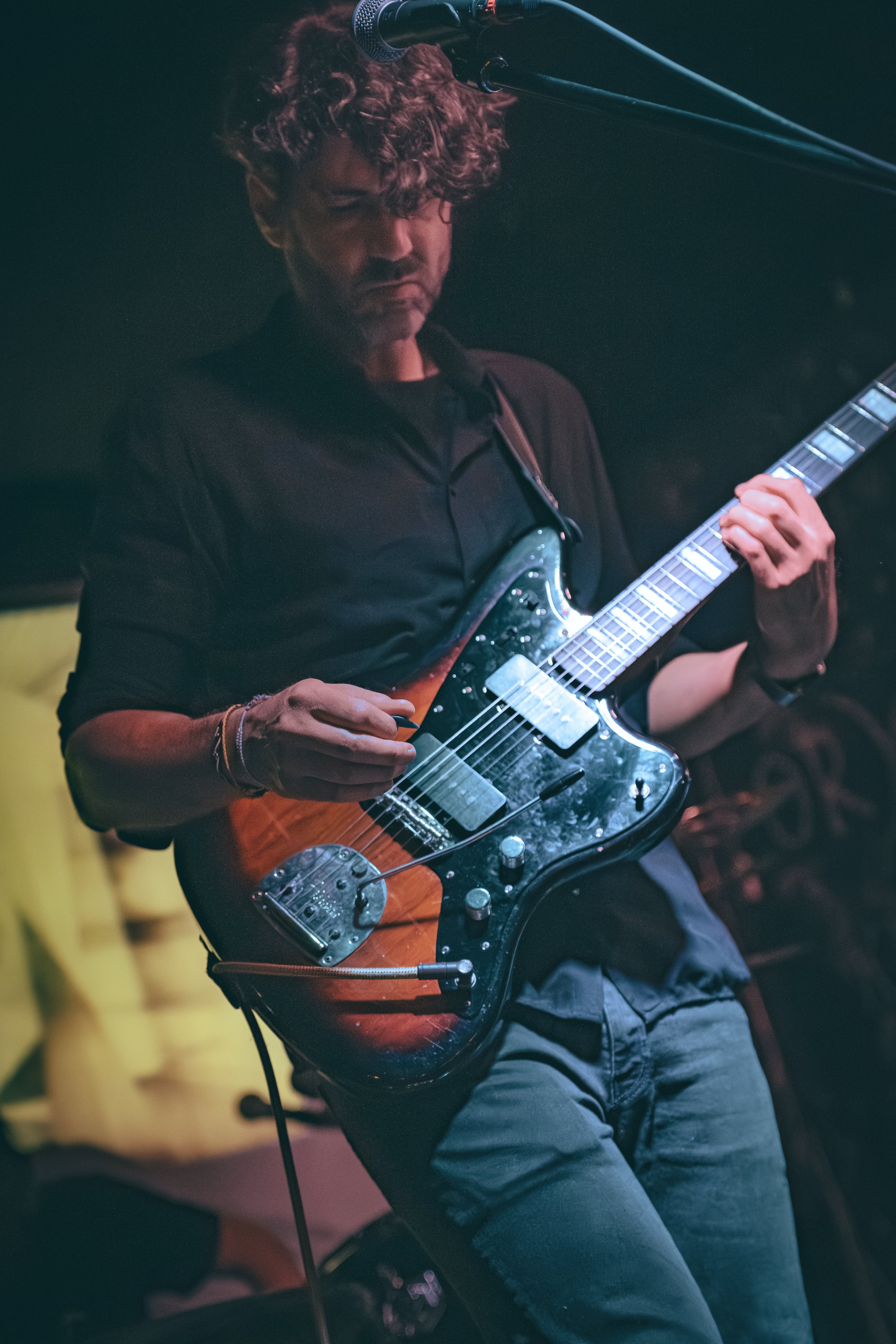
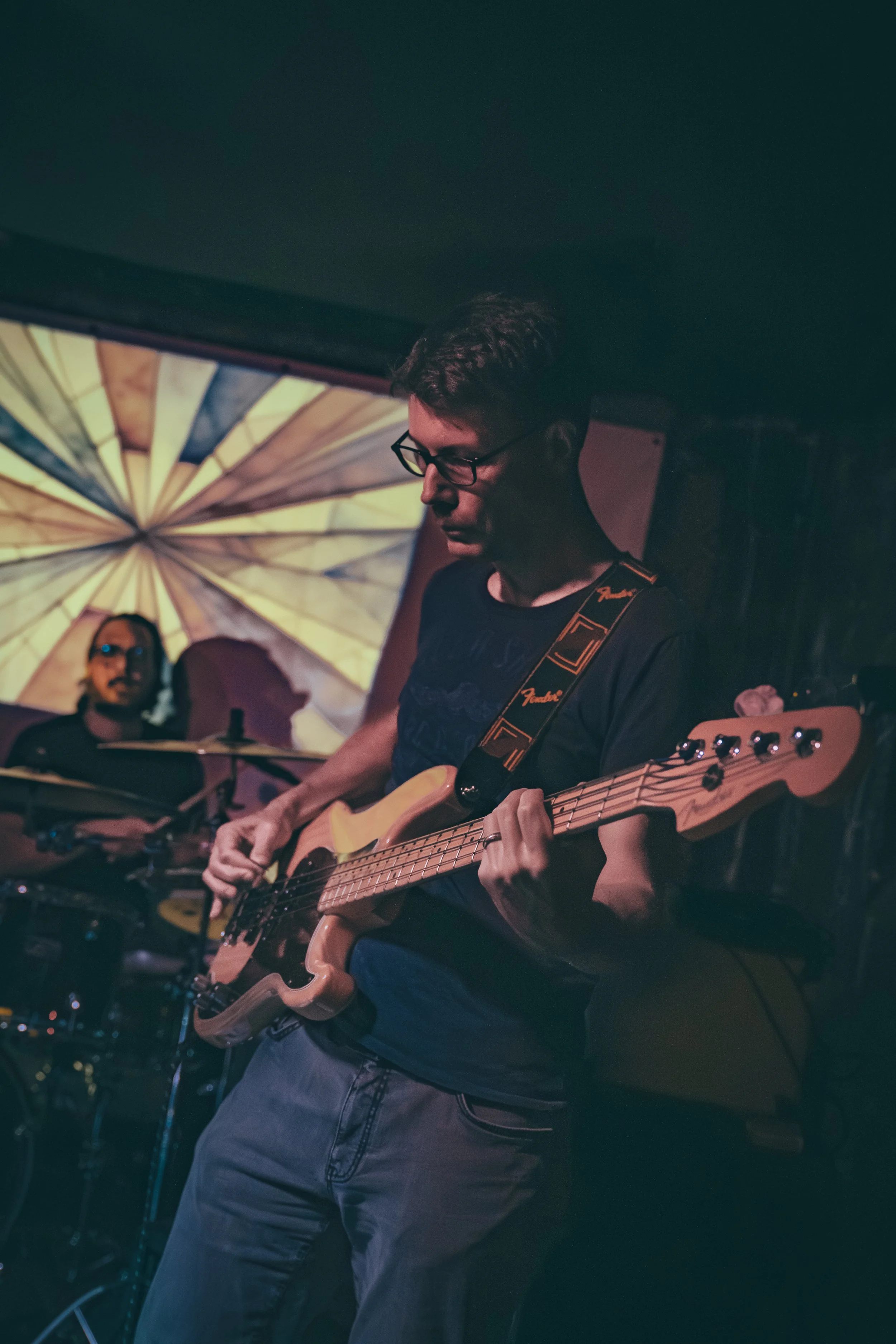
(photo copyrights: GianLuca Thut-Teofani)
Have you started thinking about the direction of the follow up songs or is it too early to say?
I am constantly writing songs, but as a band we have not yet discussed any plans in this regard. We want to concentrate on developing our live set, as I mentioned above.
How does the sound of Zabriskie work in a live setting? Is it easy to replicate the ambiance of each song?
From early on, we always said we want to play live. Therefore we always withstood the temptation of overproducing our music or adding too many additional layers. Or at least the layers we add are not indispensable for performing the songs live. Also, we recorded the instruments the same way we set them up live.
We don’t try to replicate an ambience, I believe. The way we write and arrange the songs until they are ready to be recorded is always a process of us playing the songs as a band. We have never recorded a song for example with me recording a guitar line or something and then the others play to that recording. We always develop the songs as if they were played live, we rehearse them, so to speak, before we even record them. So it’s actually about capturing the sound of the band on the record and not vice-versa.
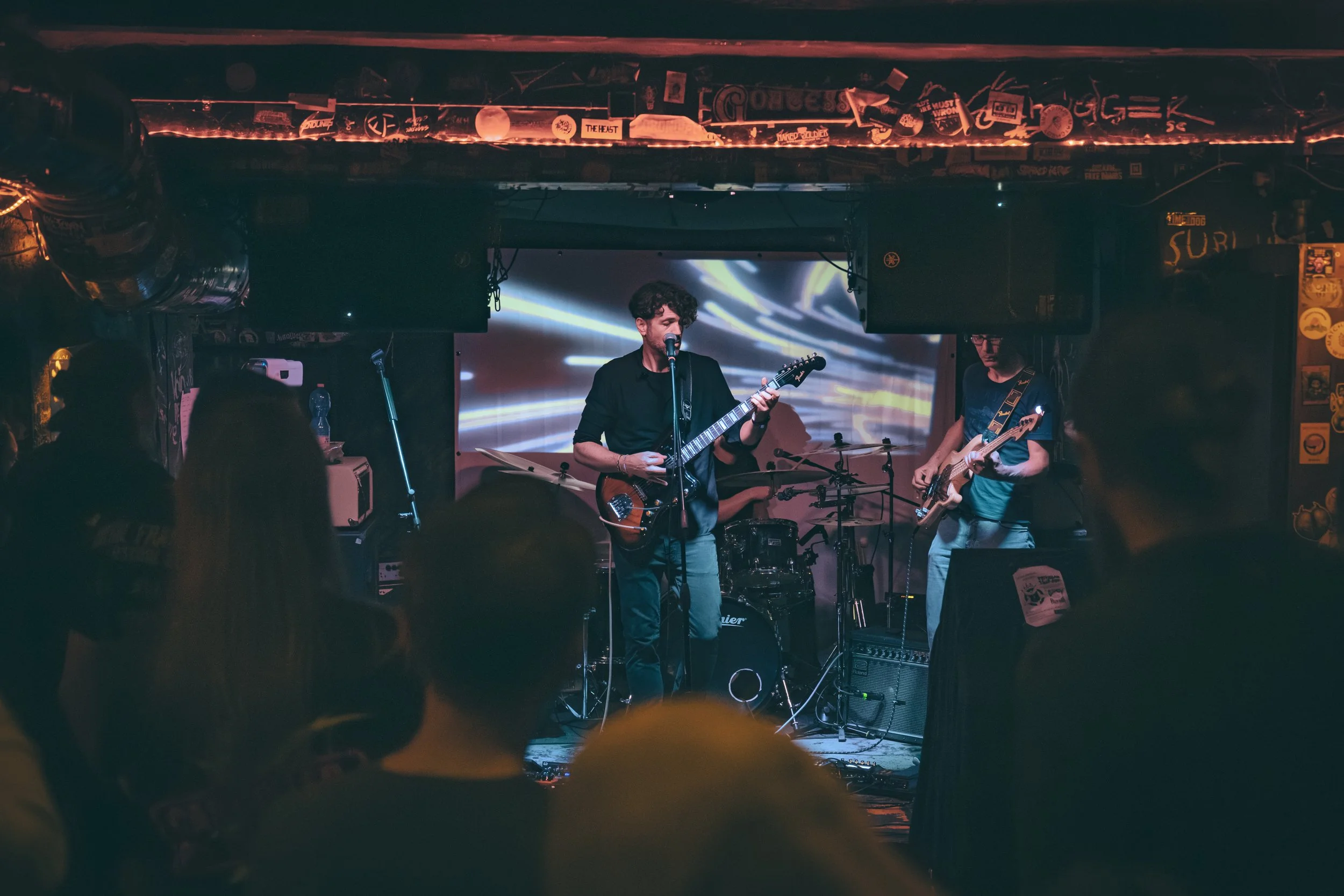
(Photo copyright: GianLuca Thut-Teofani)
Any wishes for the future?
We would like to be able to get more opportunities to play live. It is very hard to get booked for gigs, but it is really what we feel it is all about. Because music lives in the moment and sharing that moment with people is the most exciting thing there is.
You’ve been a band for over a decade, any tips/advice to last such a long time?
That’s a tough question actually. I don’t know how to answer really. What’s funny is, we often said, others would have founded a new band but we kept on going. I have to give a shout out to my bandmates really, for keeping up with me, and believing in my vision of how I wanted the band to sound and for investing too in that vision and helping shape it.
Maybe it’s easier when you are only three people, I don’t know, compared to bigger bands.
And the odd number also helps when having to make important decisions, haha....
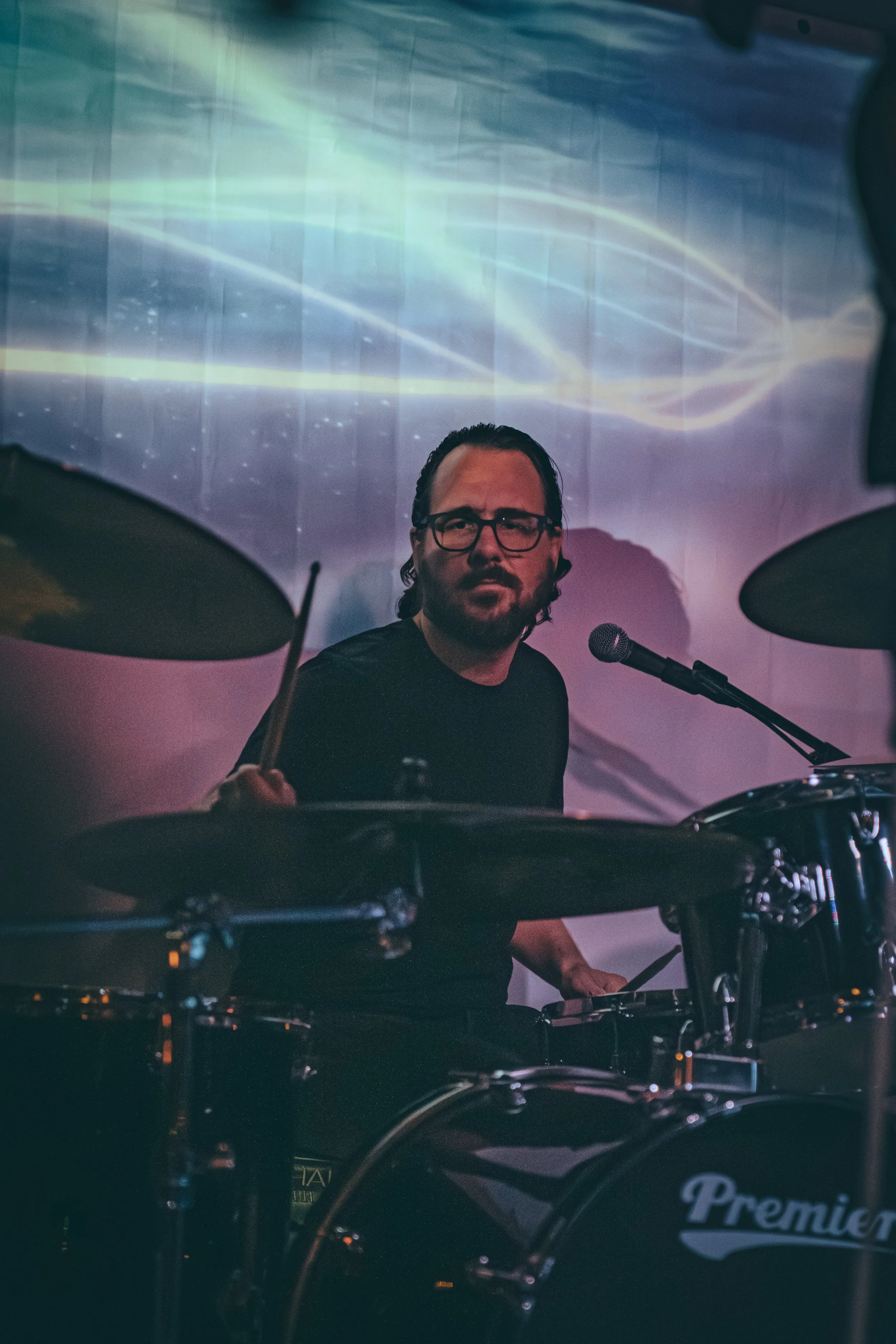
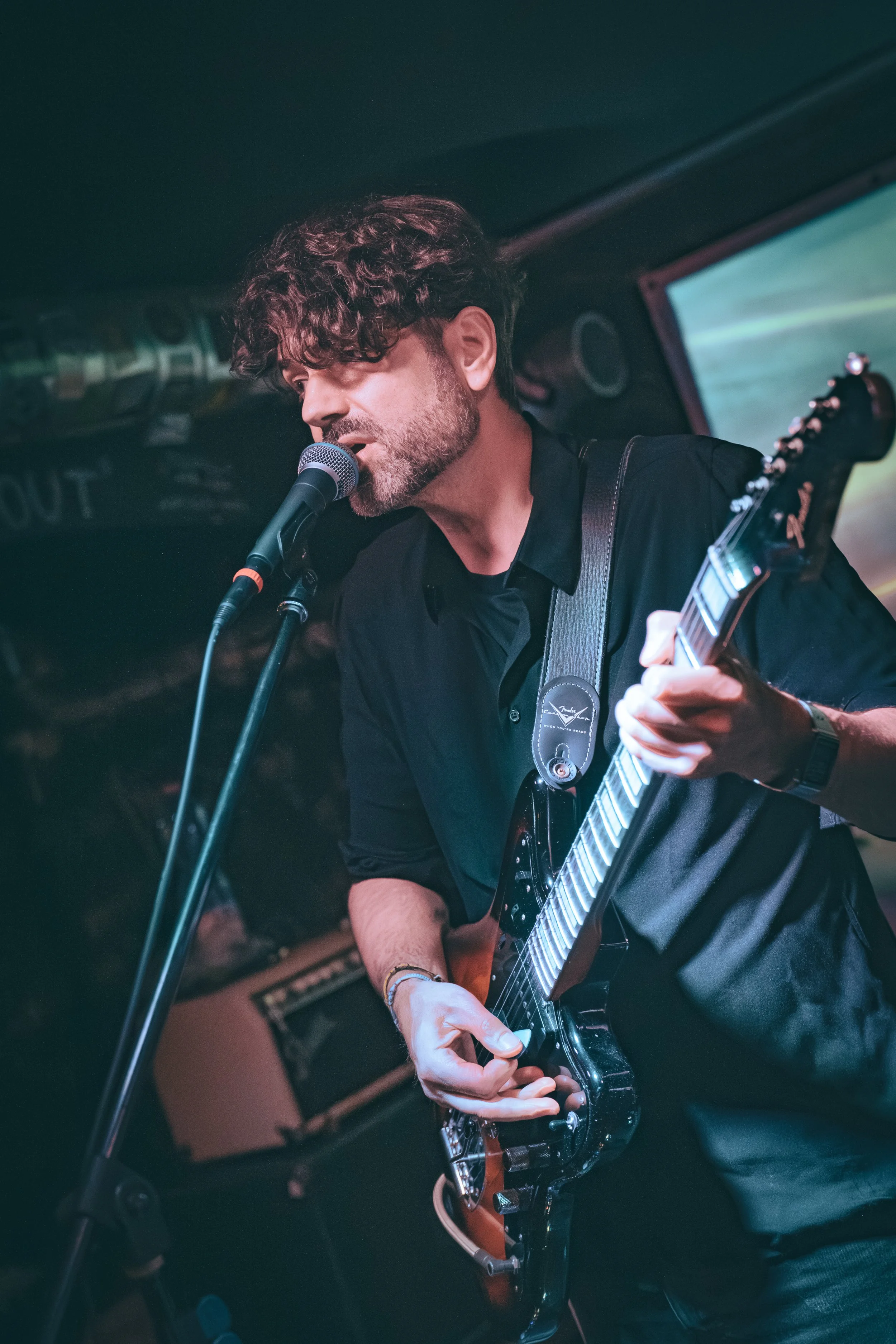
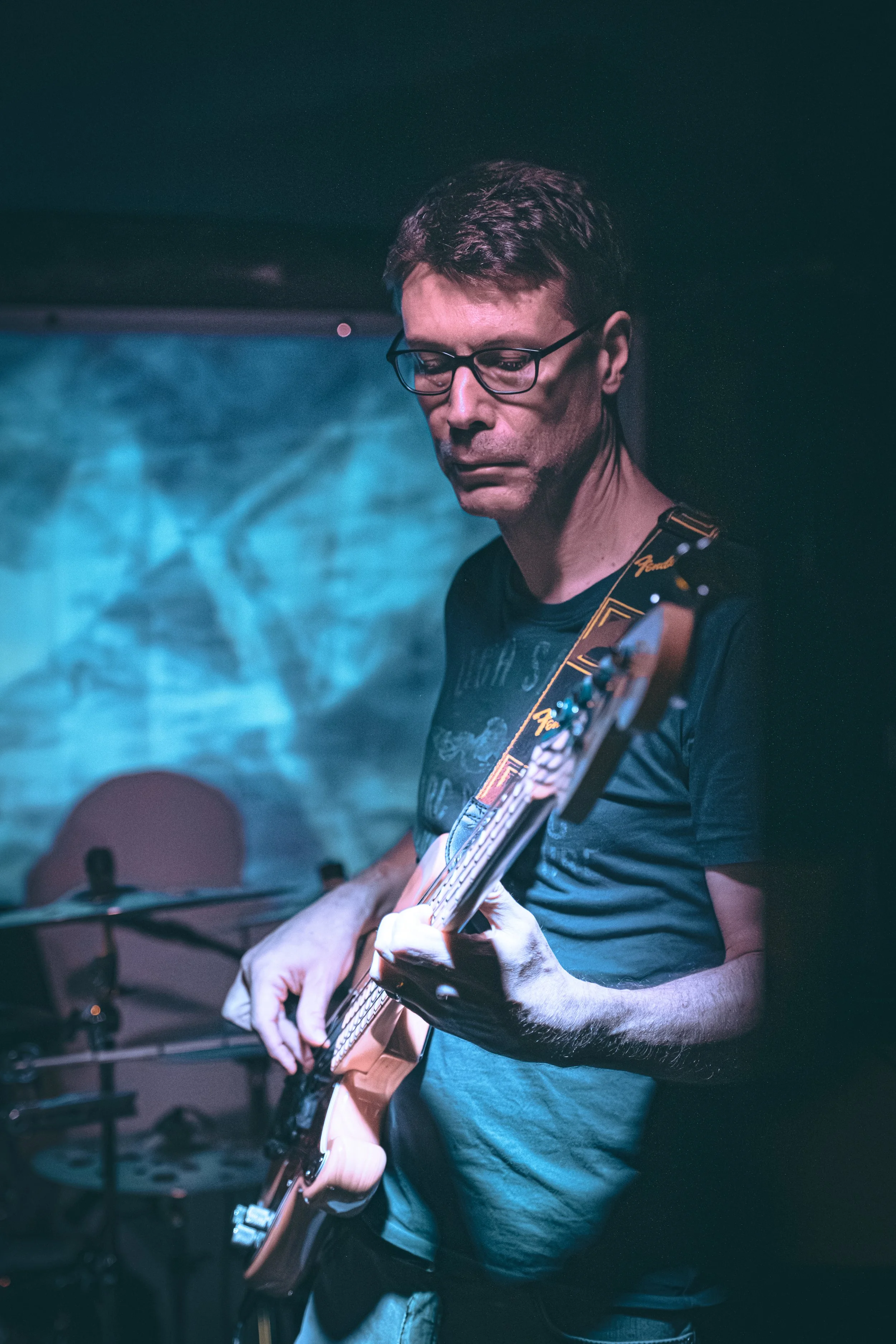
(Photo copyrights: GianLuca Thut-Teofani)
What are your thoughts about the scene in Zurich and Switzerland?
For shoegaze there is not really a scene in Zurich or Switzerland I realized. But maybe that’s a good thing too, it kind of sets us apart. But of course there is a huge music scene here in general, from Jazz to Postpunk there is so much going on everywhere, that’s awesome. And I am very grateful for starting to slowly getting a foot into a local scene, regardless of genre. It’s really what brings music alive, it’s all the artists and bands and the people around them who organize concerts and festivals or blogs, like yourself. That’s hugely important.
Especially for us, Zabriskie, starting out quite late and with a certain age, where most of our friends concentrate on family and jobs and are not so active anymore going out, and not being in a constant exchange with likeminded people like when you are younger and maybe studying at school or university, where you sort of are in touch with a scene all the time.
Anything else you would like to add?
I only would like to thank you again for your interest and giving us the opportunity to share our thoughts.
Links:
Related articles: