
An introduction to the noise music scene by Sneila
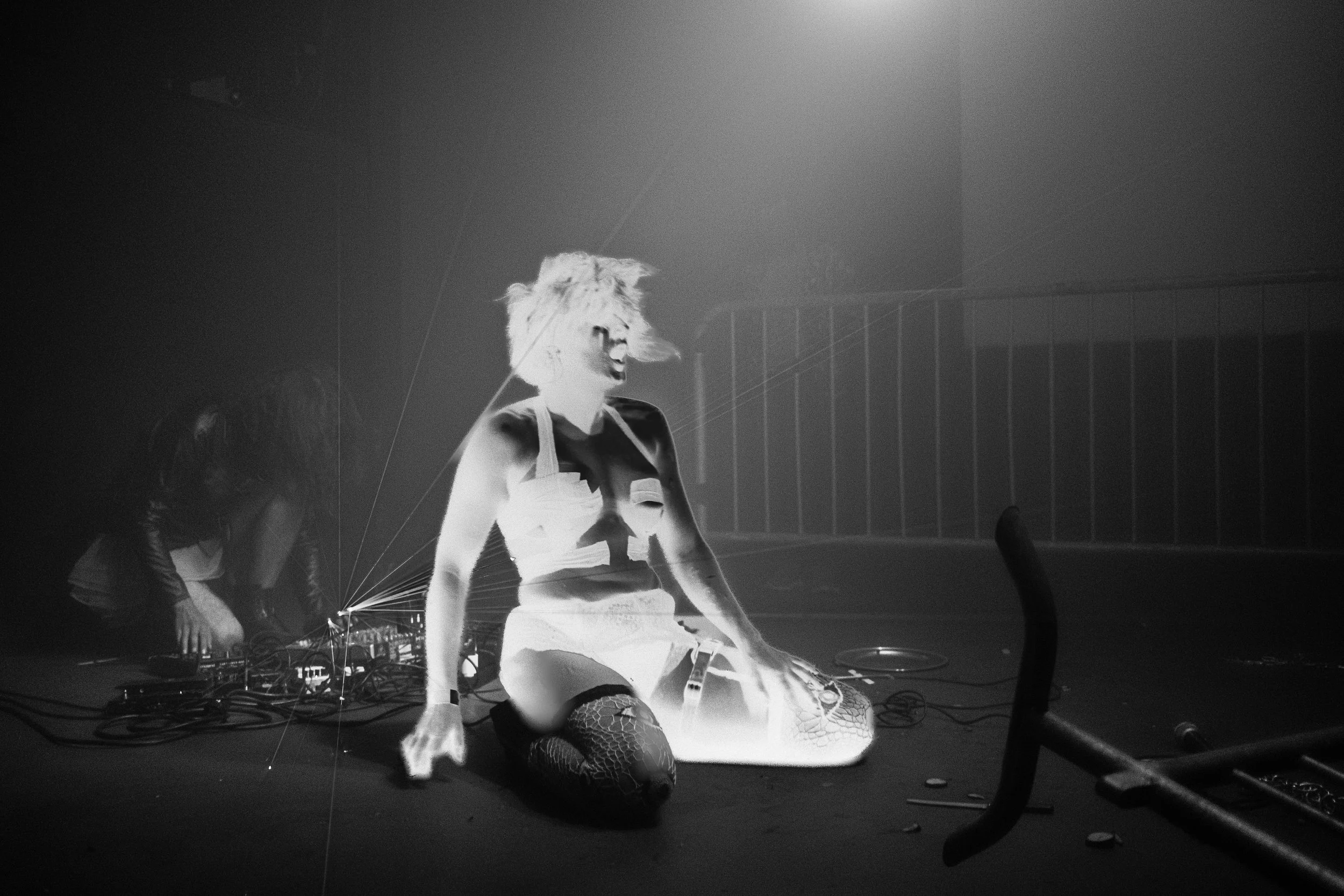
(Photo copyright: Felix Knote)
During the last few months, I have become quite intrigued by the noise scene in Switzerland. It’s a world that I know very little about but from the outside it seems to be very fascinating and left me with a lot of questions.
Through Mario Scialdone, who you may recognise through the High on the Sound magazine, and their project, Sneila, I had the perfect starting point to the noise scene in Switzerland. Consisting of Mario and We*, SNEILA had recently released their latest album, Will You Remember Me?, and went on tour with two noise acts from the USA - Dagger Wound and Annihil.
In this interview, Mario replies to my questions about Sneila, the history of the project, their experiences on the noise scene and about their most recent tour. I would like to thank Mario for their replies!
Tell us about SNEILA and the history of the project.
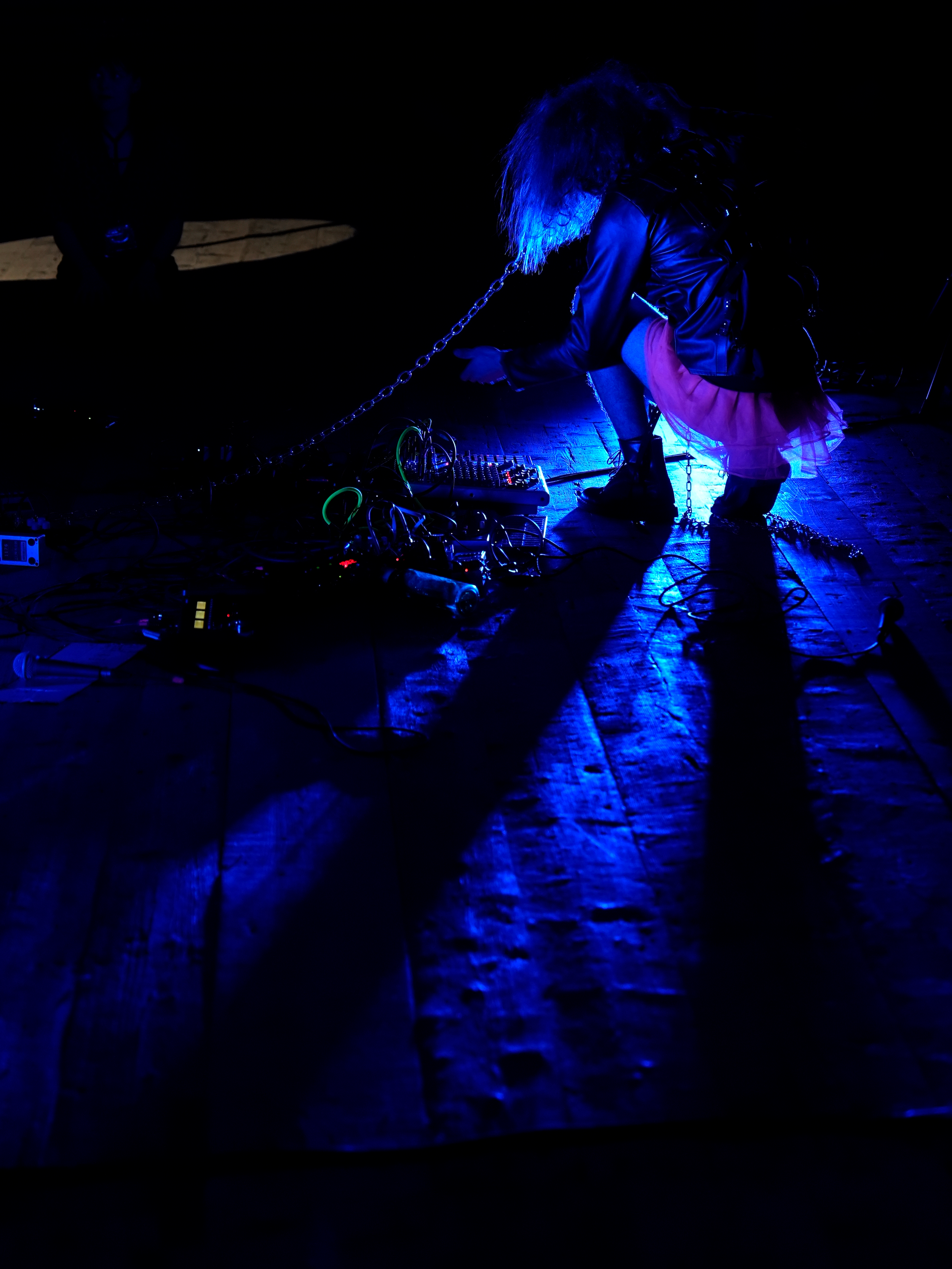
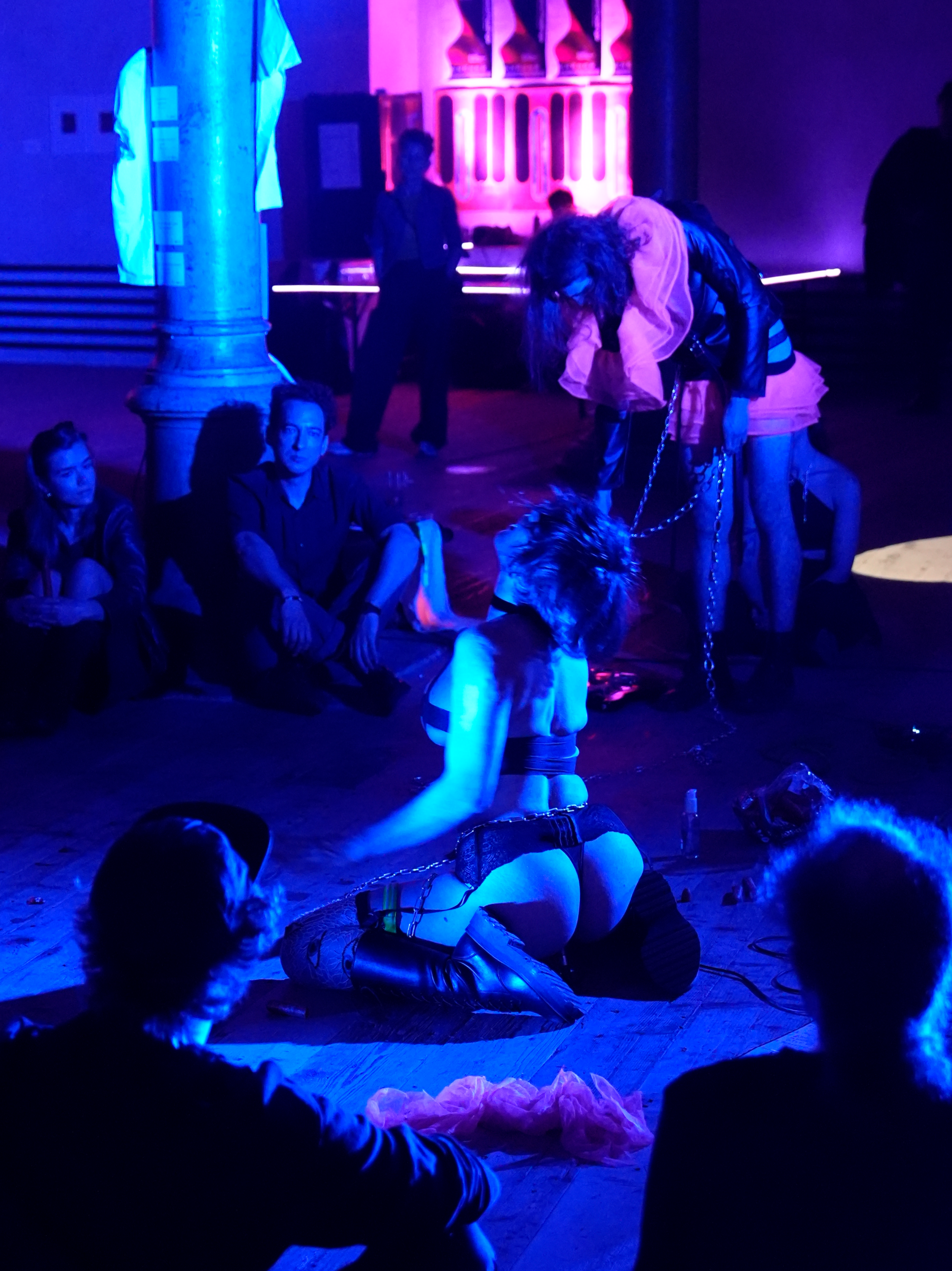
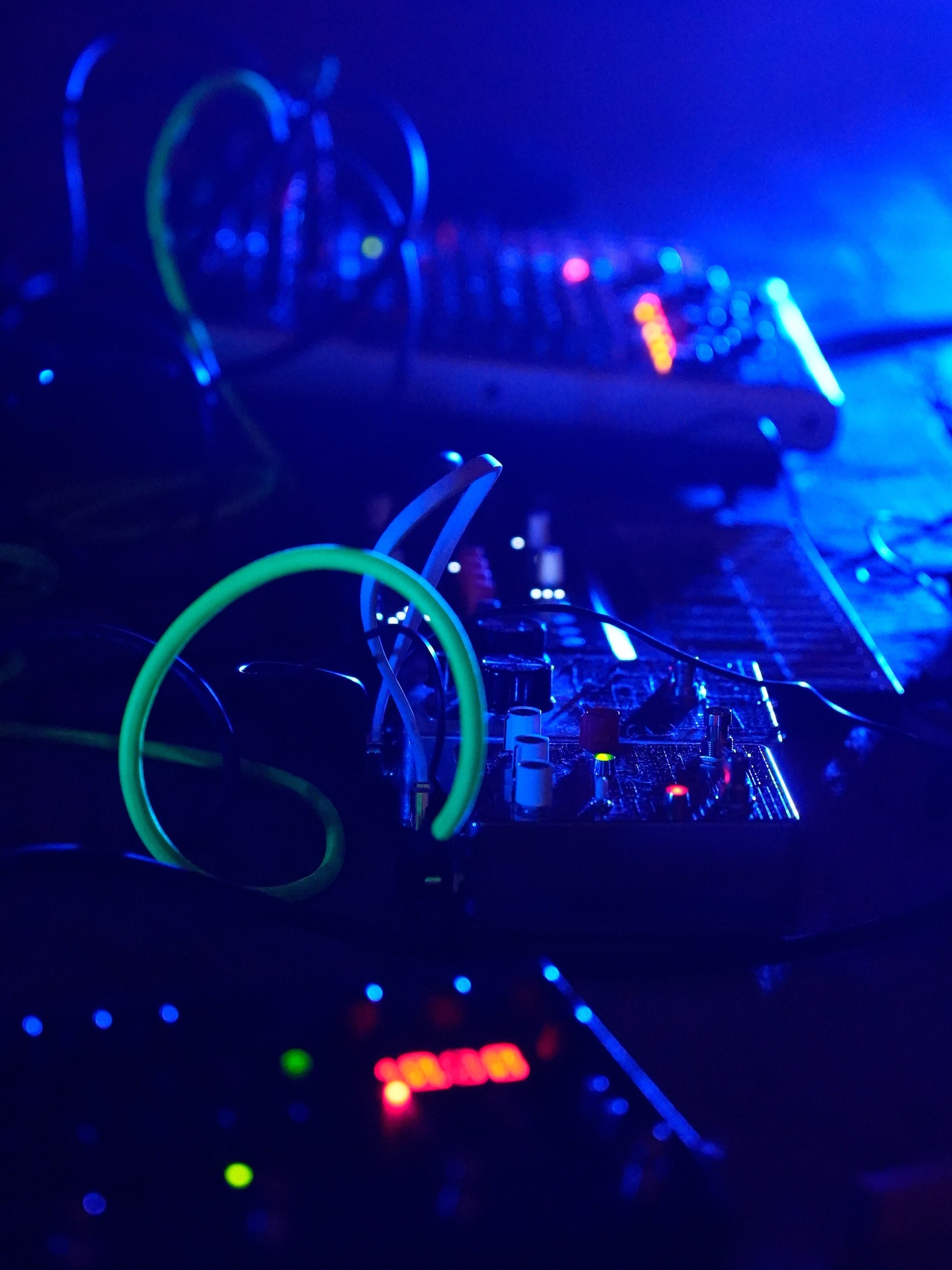
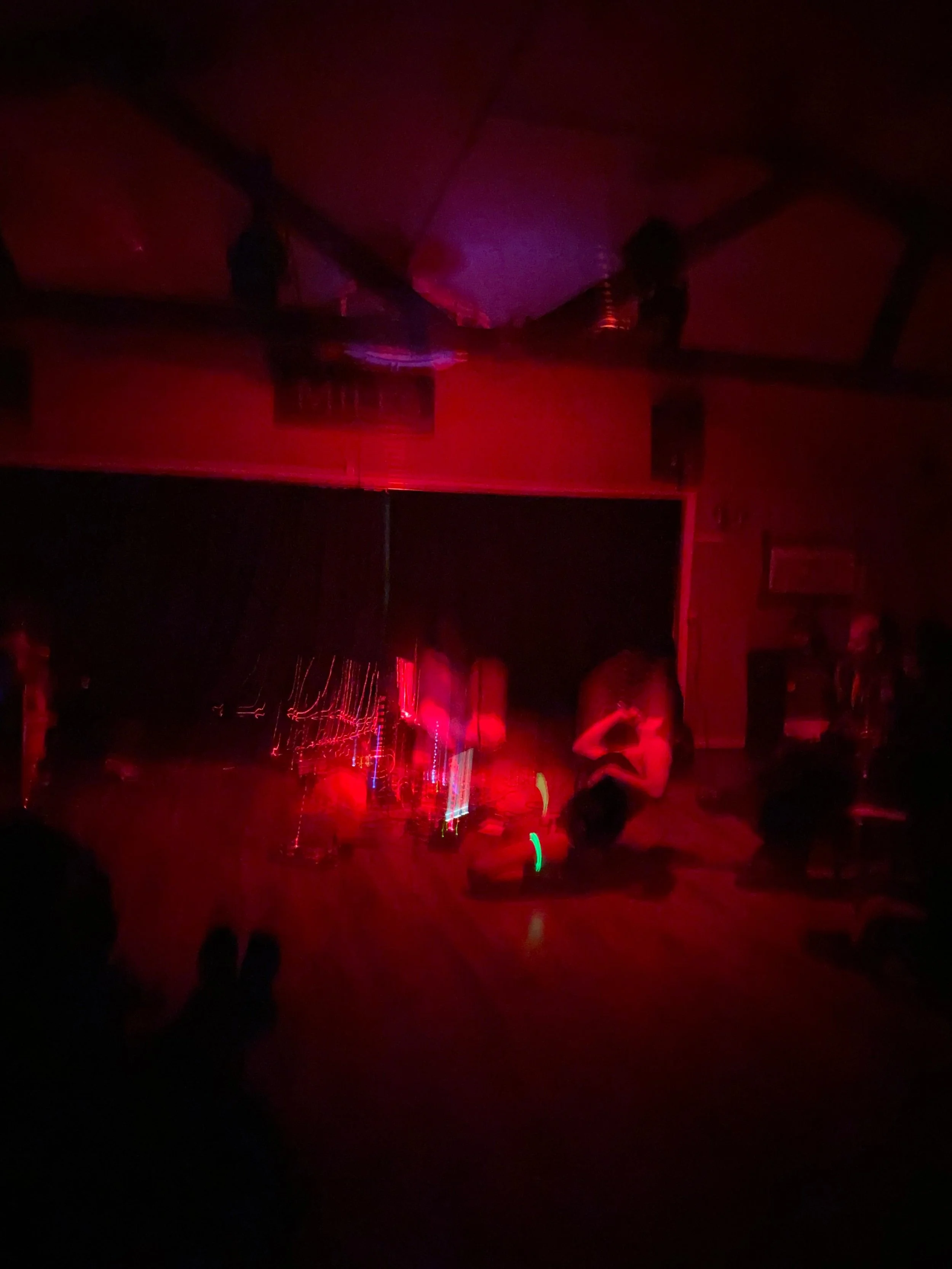
SNEILA is a sound-performance duo based between Zurich and Lucerne, consisting of Mario Scialdone (none/they) and We* (they/them). The project emerged in 2024 from a shared exploration of sonic extremes, performative intensity, and the physical dimension of sound. Our practice is based on the interplay of rhythmic noise, fragmented everyday sounds, raw synthesizer tones, voice, contact microphones, drum machines, and found objects. By combining structured chaos with improvisational openness, we create immersive soundscapes that oscillate between ritual, tension, intimacy, and dissolution. In our performances, the space becomes unstable: audience, sound, body, and environment are drawn into a collective physical experience. Beyond the strictly sonic aspect, SNEILA is shaped by a sensitivity to the surreal, the atmospheric, the erotic, and the bodily. We try to channel the dissonant energies of the present into sonic and performative gestures that are both intimate and overwhelming. Our practice resists clear categorization and moves freely between experimental concert, installation, noise, queer performance, and performance art.
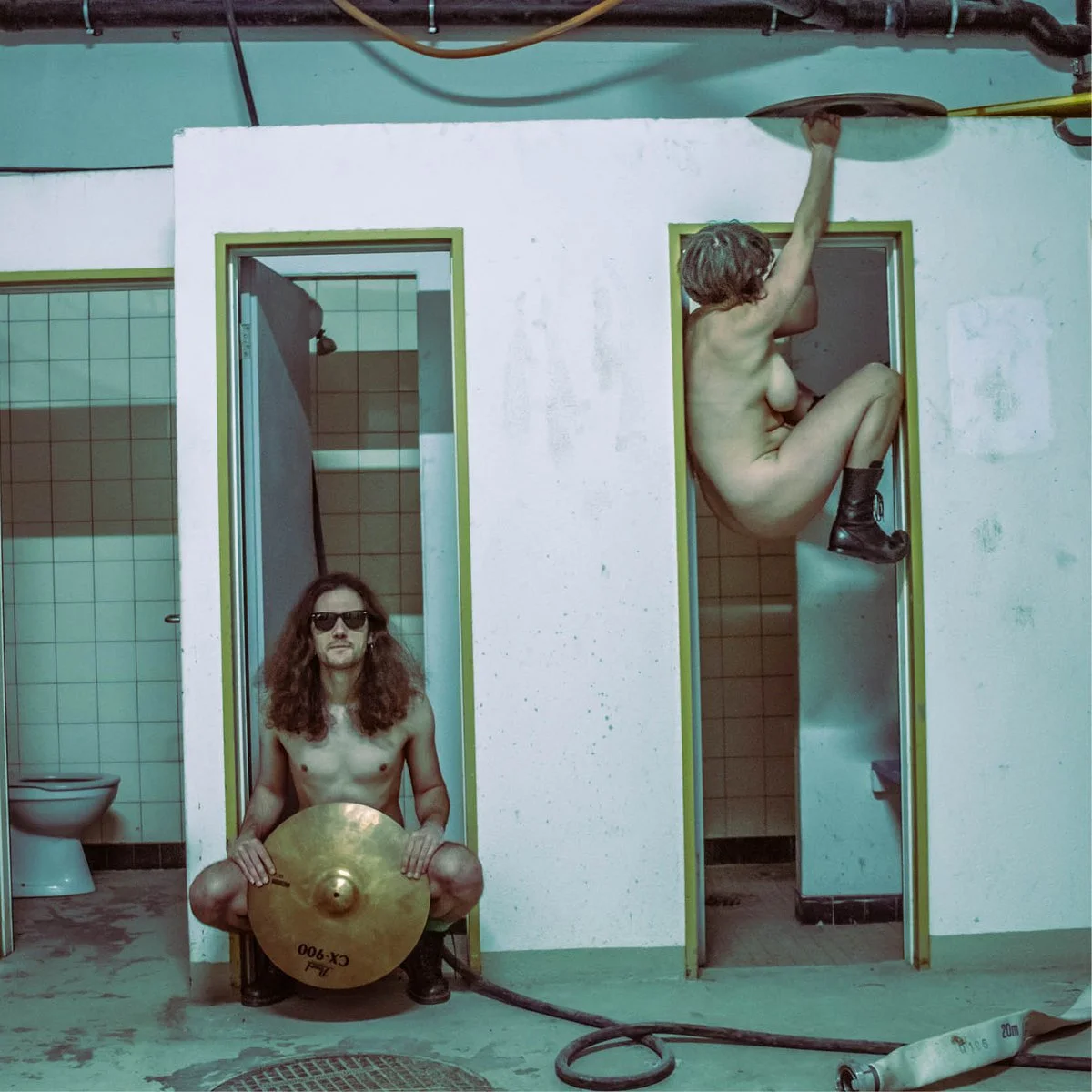
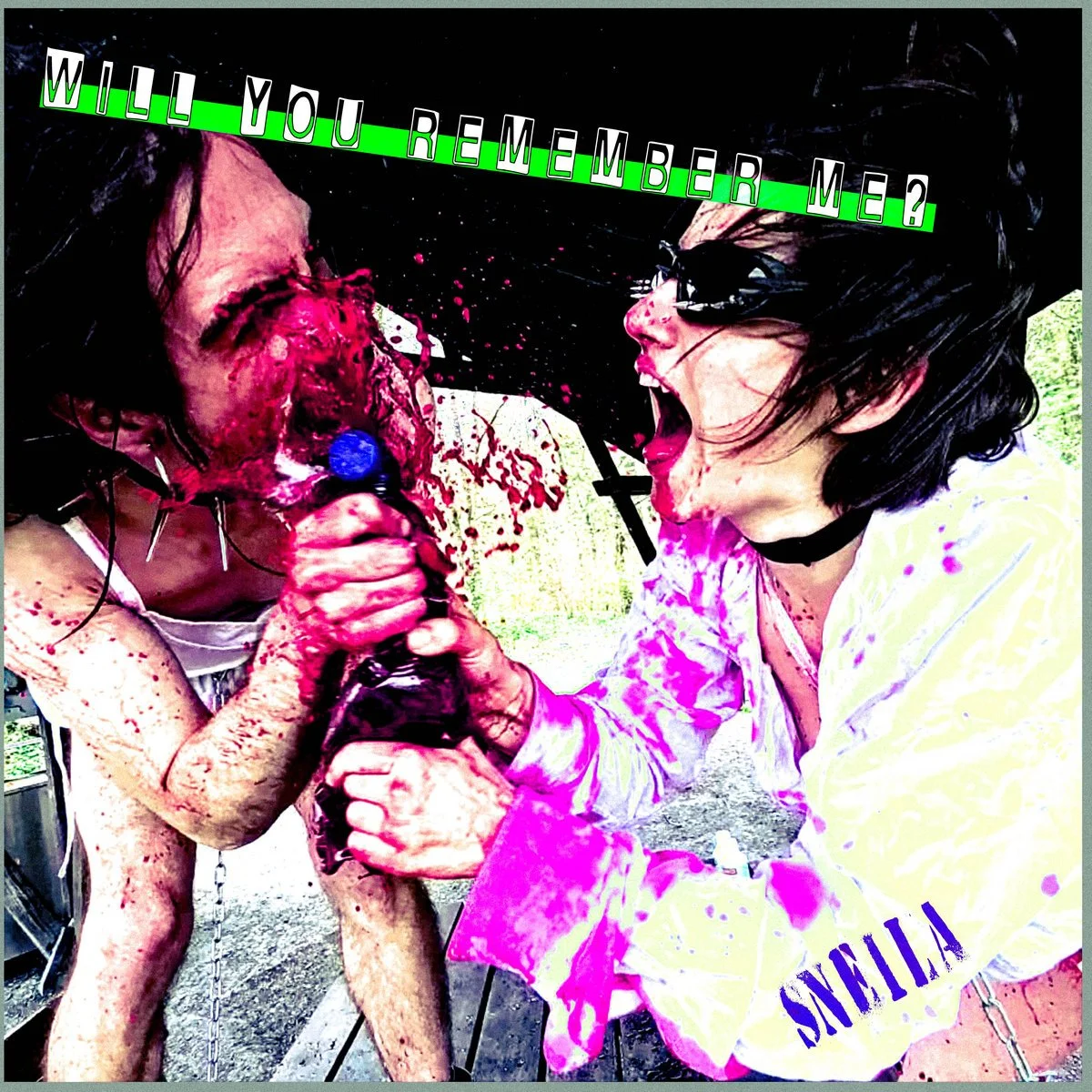
You released the album Will You Remember Me? on 7th May 2026. How would you describe the album? How has SNEILA’s sound evolved?
Will You Remember Me? was released via No Work Records, a DIY punk label based in Miami. The album is available digitally on Bandcamp, and also on CD and tape at our live shows.
The album moves through a raw and unstable territory between rhythmic noise, experimental electronics, industrial textures, sound performance, and fragmented club deconstruction. Its sound world is built from distorted rhythmic pulses, broken everyday sounds, harsh synthetic tones, and moments of eerie intimacy. Rather than following conventional song structures, the tracks unfold like unstable sequences: part sonic montage, part ritual, part collapse. Conceptually, Will You Remember Me? explores memory, disappearance, bodily presence, and the fragile traces left behind by human and non-human gestures. Across the album, tenderness and abrasion coexist, creating an atmosphere that is intimate, unstable, and overwhelming. It is also the first album we had mixed and mastered professionally, at Heatwave Studio in Italy. Our past releases were much more lo-fi and fully DIY experiments. With this album, the sound became more conceptual, more structured, and more focused, while still keeping the rawness and instability that are important to us. We are now working on our next release for 2027, which will include many collaborations and guest features.
What have been your highlights for the project so far?
Honestly, there have already been many. Probably one of the biggest highlights was the tour we did with Dagger Wound from Los Angeles and Annihil from New York. The two shows we played in Vienna were also very important for us: Antisiren Festival and Porn Film Festival Vienna, where we performed in the context of HARD FEELINGS, Bodies Becoming Desire.
Another special moment was performing at Submnesia’s exhibition Visceral in Lausanne, which felt very connected to the performative and bodily side of SNEILA. Other highlights were definitely Miles with Harpy, and Boschbar in Zurich. It is really hard to choose. We are very grateful to all the venues, festivals, exhibitions, and people who have invited us, booked us, or worked with us so far.
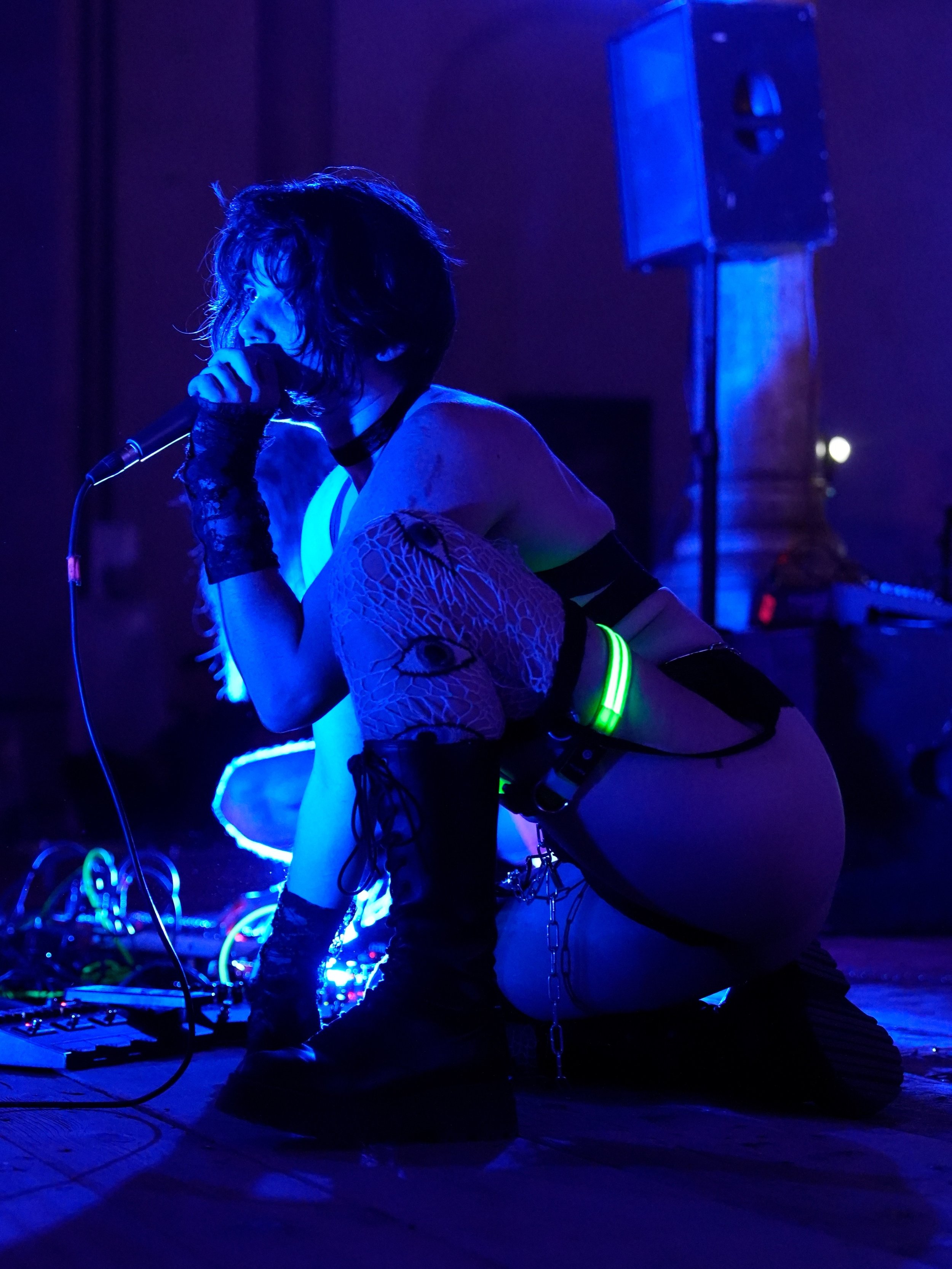
(Photo copyrights: sime)
You have been quite active in the noise scene since the beginning of SNEILA. Can you tell us about your experiences?
Our experience so far has been amazing. Amazing people, amazing energies, amazing shows. We felt included in the scene pretty early on, which meant a lot to us.
One place that, for us, really embodies the current noise underground scene in Switzerland is OFFY in Bern. Definitely go check them out. It feels like one of those places where things can happen without having to be over-explained or polished too much.
How were the concerts, excluding the recent tour?
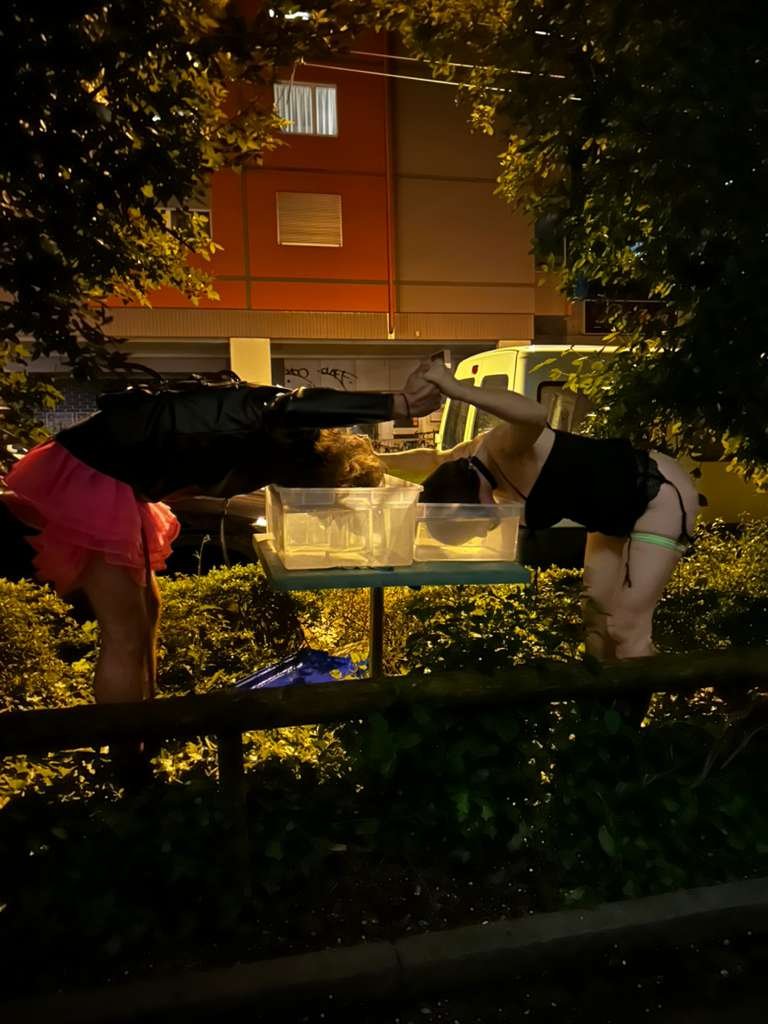
Most of them were very good. We are always stunned by how positively, or at least curiously, people react to the shows. It is not always easy for noise music in Switzerland, but I definitely see a growing interest in it. It is niche, of course, but I hope more people will be inspired to start experimental noise projects and create DIY spaces for this kind of work. There is a need for more rooms where music can be strange, intense, loud, fragile, physical, and not immediately understandable.
What are your thoughts about the people involved in the scene?
The people we have met so far are mostly open-minded, curious, and kind. They are trying to push sonic boundaries and performance settings, looking for authenticity and realness. There is often a rebellious, anti-mainstream energy, but also a lot of care. Of course, every scene has its contradictions, but in general we have felt a lot of generosity and support.
How did you get in contact with Dagger Wound and Annihil?
Dagger Wound DM’d us on Instagram while we were playing in a barn in Emmen with Harpy, a fantastic experimental noise duo from Providence, last October. From then on, we started planning some shows together. Annihil joined later in the process. It all happened in a very DIY way: messages, ideas, dates, more messages, chaos, and then suddenly there was a tour.
How did you plan and book the tour? What kind of logistics did you have to organize?
Mails, mails, mails, calls, very little sleep, more mails, more mails, more mails. I must have sent over one hundred emails to venues in Switzerland. Around ten percent of them replied, and for some venues the dates sadly did not fit. But it was a great learning experience. Booking a tour yourself teaches you a lot about persistence, communication, disappointment, and improvisation. It also reminds you how much invisible work goes into making even a small tour happen.
What complications did you encounter?
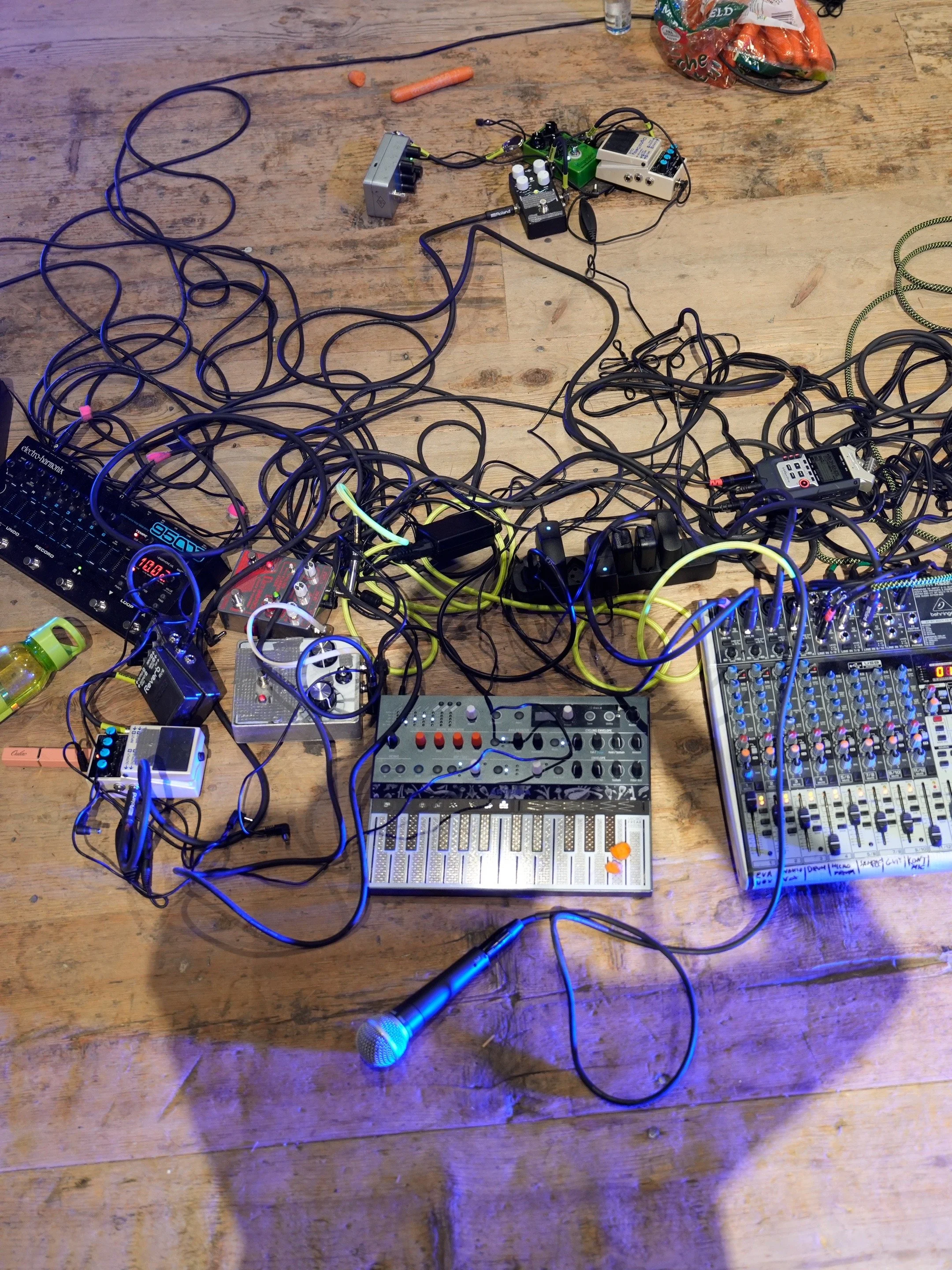
First of all, there are not many venues that allow noise acts. Some even asked us if we were going to destroy their PA system. There seems to be a bit of a misconception in Switzerland about what noise is. I think some bookers tend to imagine it as pure nihilism or nonsense, but it is not. It is a lot of hard work, attention, composition, listening, and physical commitment. The second difficulty was probably transportation. Train tickets are incredibly expensive in Switzerland, especially when you are traveling with equipment. Luckily, we solved the problem with We*’s car.
What did you hope for before the tour started?
I just hoped that we would all get along well and have a good time. Not more than that. I honestly did not put too much pressure on the shows. But it turned out great, much better than I could ever have imagined.
How was the tour and how were the live shows?
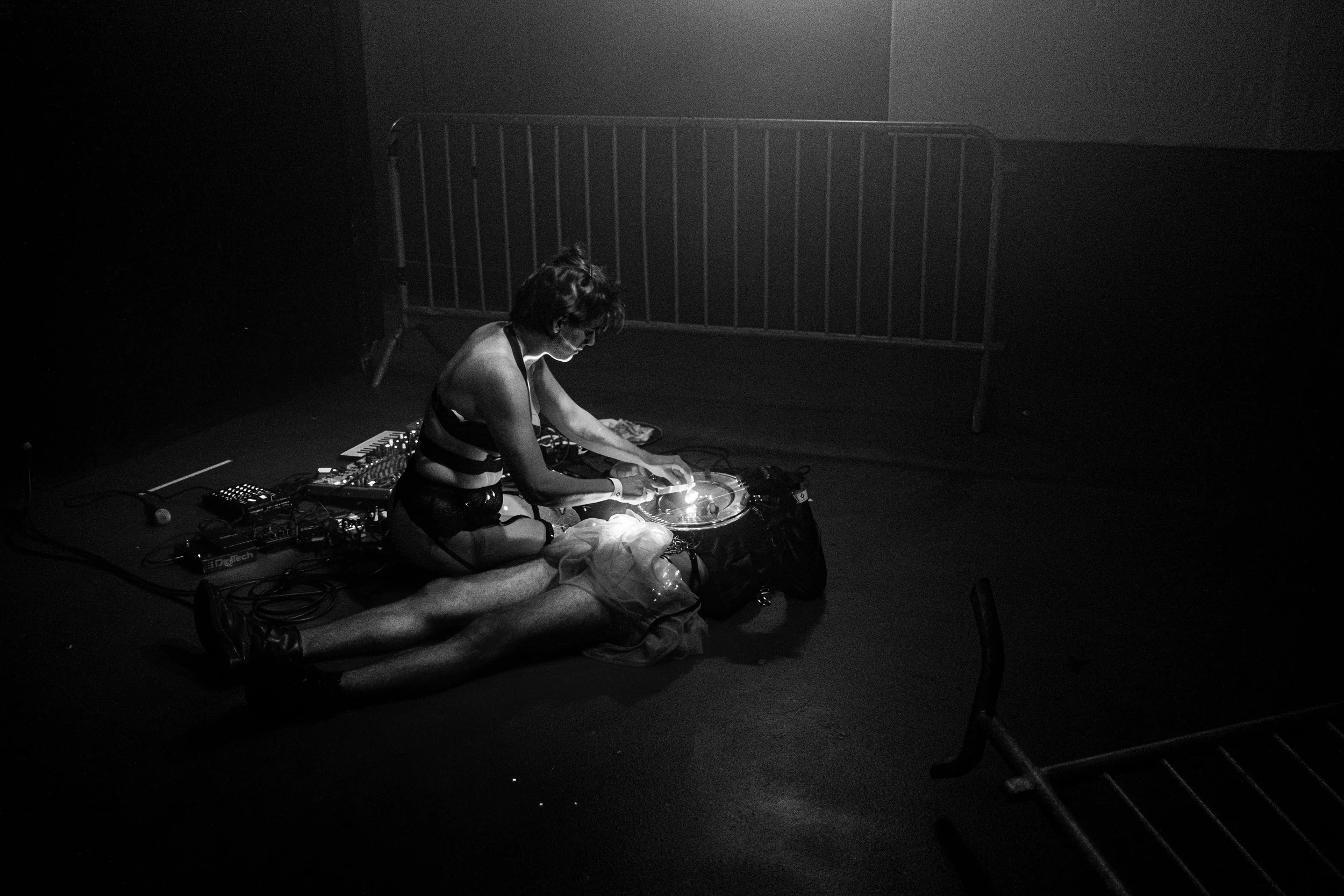
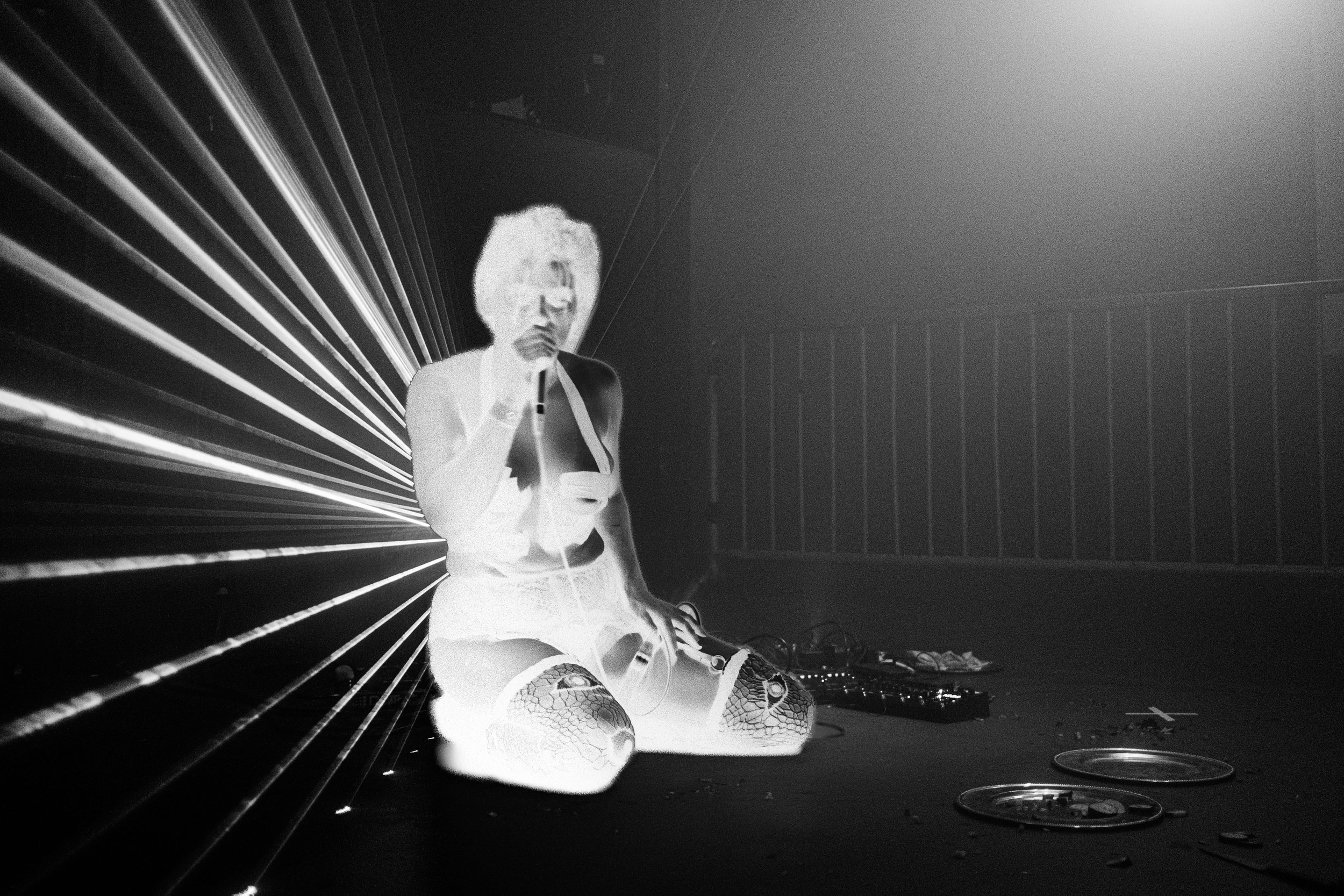
The tour was really beautiful. We had good crowds and even sold a good amount of merch, which was very encouraging. A lot of people really liked the dramaturgy of the evenings with Dagger Wound, Annihil, and SNEILA. Each project had a very different energy, but together it made sense. It created a strong arc throughout the nights: different forms of intensity, different ways of approaching noise, body, sound, and performance.
(Photo copyrights: Felix Knote)
How was it to explore the noise scene across different cities?
It was great. It is inspiring to see how different cities have different energies, different rooms, and different ways of receiving this kind of music. There are many artists and projects people should definitely check out: Elie, harsh noise from Neuchâtel; Otto, noise and improvisation from Bern; Miao, no-input from Zurich; Ryosuke Kiyasu, solo snare drum from Japan; Fläckä & Löcher, noise and improvisation from Bern; Soundbuddy, experimental noise from Geneva; Herkern Collective; Theresa Reimann, noise and drums from Berlin; I.C.H., techno and noise from Zurich; Eco, experimental noise from Bern; and many more.
There is a lot happening, even if it is not always visible from the outside.
What were your highlights of the tour?
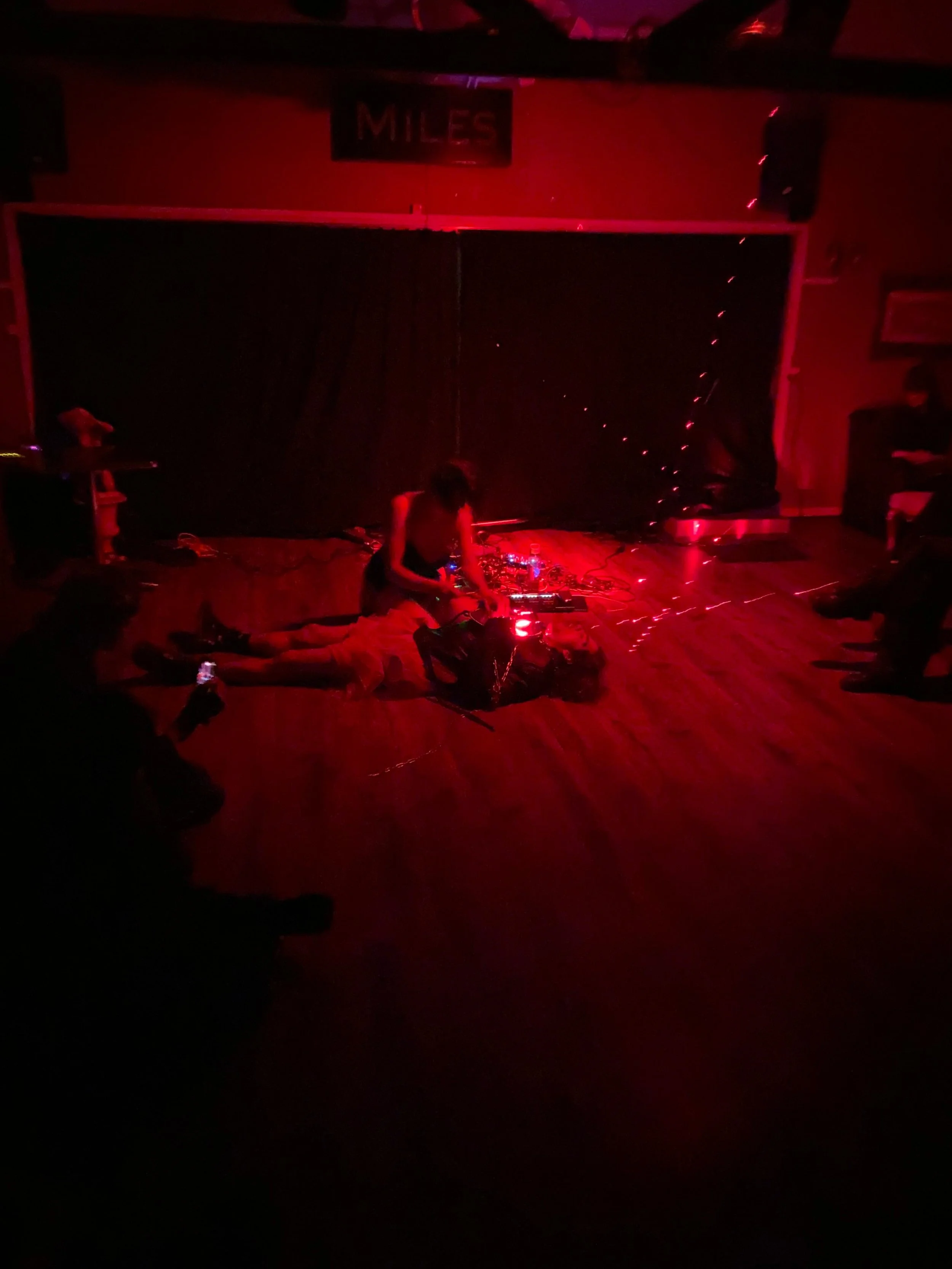
I would say probably the shows at Capribar in Basel, Gelbes Haus in Lucerne, and Miles in Lucerne were among the strongest. But honestly, all of the places we went to treated us very well, and we are very grateful to all the people and venues involved. Each stop had its own atmosphere, and that is what makes a tour special. You do not only remember the concerts, but also the people, the rooms, the conversations, the strange moments in between.
What would you do differently for the next tour? Any advice you would give?
I think we would do almost the same thing again, but next time we would try harder to get funding from cultural institutions or subventions. We tried this time, but we did not get any support. Next time.
The advice would be: do not let “no” stop you. If venues do not reply to your emails and nobody books you, do it DIY. Find the underground places, find the aliens, build your own connections, break the rules. Do not wait for permission.
Anything else you would like to add?
Thank you so much for this interview.
Links / Social Media:
Related articles: